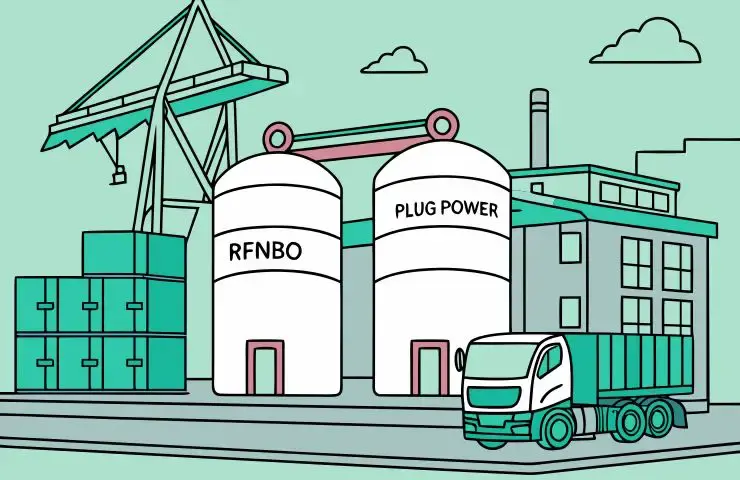
Plug Power’s push to scale green hydrogen refueling infrastructure is accelerating sustainable aviation and opening new doors for eVTOL investment in hydrogen-powered urban air mobility solutions alongside innovators like HPS Aviation.
The Big Picture: Why This eVTOL News Matters
In recent developments reported in 2024, Plug Power—a leader in hydrogen fuel cell technologies—has launched significant initiatives to expand green hydrogen refueling infrastructure, focusing on overcoming key barriers that have slowed the deployment of hydrogen-powered transportation options, including electric vertical takeoff and landing (eVTOL) aircraft. The move is a critical step toward building the ecosystem necessary for widespread adoption of clean propulsion technologies in advanced air mobility (AAM).
This ambitious drive by Plug Power to establish scalable, green hydrogen production and refueling hubs addresses a well-known obstacle: the lack of reliable infrastructure. Without a robust network of hydrogen stations, eVTOL and other hydrogen-fueled aircraft face logistical challenges that could stall commercial viability, delaying investor returns and increasing perceived technological risk.
The news, originally summarized from sources detailing Plug Power’s aimed expansion, highlights efforts to secure financial backing despite challenges with U.S. Department of Energy (DOE) loan guarantees, signaling that private sector momentum and alternative financing mechanisms are stepping in to sustain growth. This trend has implications far beyond hydrogen trucks and cars—it’s a foundational development for advanced air mobility startups developing next-generation propulsion systems, such as HPS Aviation.
How This Trend Is Shaping the Future of Urban Air Mobility
The evolution of hydrogen infrastructure is directly correlated with the potential of hydrogen-powered eVTOL aircraft. Hydrogen fuel cells offer a high energy density and rapid refueling capability that battery-only solutions struggle to match, creating new opportunities for longer range and heavier payload missions essential in urban and regional air mobility.
Urban air mobility (UAM) is transitioning from visionary concepts to operational plans, with pilot projects being launched worldwide. However, one persistent bottleneck is scalable, sustainable power—without green hydrogen availability, hydrogen-based eVTOLs cannot effectively compete with electric battery-powered models that often suffer range and weight limitations.
Plug Power’s progress advances the entire eVTOL ecosystem by:
1. Enabling Longer Urban and Regional Routes
Green hydrogen hubs strategically placed at transport and logistic nodes enable eVTOL and other AAM vehicles to refuel quickly, unlocking longer-distance flights and enabling complex urban corridors.
2. Improving Sustainability and Emission Goals
Green hydrogen is made using renewable energy which drastically reduces carbon emissions. As sustainable aviation becomes a regulatory and social imperative, this infrastructure supports compliance and market acceptance.
3. De-risking Investment in Hydrogen Propulsion
Steady development of refueling infrastructure reduces infrastructure risk, a prime concern of venture capital and institutional investors interested in hydrogen-based AAM technologies.
Where Smart Capital Is Moving in the eVTOL Space
Given these infrastructure advances, investor sentiment around hydrogen-powered eVTOL startups is gaining momentum. Early-stage capital tends to flow where technology risk meets market feasibility—and expanding hydrogen infrastructure mitigates the “infrastructure gap” risk for disruptive deep-tech aerospace startups focused on zero-emission propulsion.
While battery-electric eVTOLs dominate headlines, the limitations in energy density foster a balanced investment portfolio approach that increasingly includes hydrogen propulsion as a complementary or superior technology for specific urban air mobility use cases. Venture capital and aerospace innovation funds are spotlighting startups that showcase hydrogen fuel cells integrated with electric propulsion systems. The hydrogen ecosystem’s growth, supported by leaders like Plug Power, typically signals a maturing market primed for the next investment wave.
For investors, understanding the timelines, infrastructure readiness, and regulatory environment is essential. Plug Power’s hurdles with DOE loan guarantees demonstrate that while government funding is a factor, the private sector innovation and partnerships underpin sustained progress in hydrogen infrastructure. This mixed finance strategy often accelerates commercialization paths.
How HPS Aviation Fits into the Next Wave of Air Mobility
HPS Aviation is well-positioned at the forefront of this transformative shift toward hydrogen-powered urban and regional air mobility. As a promising startup developing disruptive propulsion technology, HPS Aviation is engineering next-generation hydrogen and electric propulsion systems that promise to redefine the future of air mobility.
Unlike many companies focusing solely on aircraft design, HPS Aviation tackles a core challenge: innovating propulsion systems that are efficient, safe, scalable, and certifiable for eVTOL applications. By specializing in hydrogen fuel cell integration with electric motors, the company aims to extend flight endurance, reduce weight, and enhance operational flexibility.
As outlined on hpsaviation.com, the startup’s technology roadmap balances deep aerospace engineering with the realities of infrastructure rollout, creating solutions seamlessly aligned with emerging hydrogen refueling networks like the ones Plug Power is deploying.
This synchronization between hardware (hydrogen propulsion) and infrastructure development is a critical factor for investors seeking high-potential opportunities in the eVTOL investment space. HPS Aviation represents a strategic entry point for capital looking to engage in the burgeoning ecosystem of hydrogen-powered urban air mobility.
Key Risks, Timelines, and What Serious Investors Should Watch
Despite the promising outlook, investors eyeing hydrogen-based sustainable aviation technologies and eVTOL platforms must acknowledge key challenges and risks:
Technological Maturity
Hydrogen fuel cell propulsion for eVTOL is still in relative infancy compared to battery electric or traditional combustion engines. Achieving certification, operational safety, and scalability requires continuous innovation and regulatory navigation.
Infrastructure Deployment Pace
The success of hydrogen-powered AAM depends heavily on the widespread rollout of refueling stations. While Plug Power’s advances are encouraging, full maturity of refueling networks across urban and regional corridors will take years and sustained investment.
Regulatory and Certification Uncertainty
Aviation regulators worldwide continue to develop standards for hydrogen AAM vehicles. As certification frameworks evolve, timelines for market entry and commercial operation can shift.
Market Adoption and Competition
The urban air mobility space is crowded with multiple propulsion technologies competing for attention. Battery, hybrid, and hydrogen systems each have pros and cons, making it critical to identify winning technology combinations and partnerships.
Nevertheless, the timeline for hydrogen infrastructure expansion and vehicle certification aligns well with the medium-term nature of advanced air mobility commercialization cycles. For investors with a strategic horizon of 5–10 years, participation in early-stage hydrogen propulsion startups like HPS Aviation offers a compelling entry into a market expected to reach significant scale as decarbonization pressures intensify globally.
Next Steps for Investors
HPS Aviation’s disruptive approach to hydrogen and electric propulsion places it at the heart of this evolving air mobility revolution. Investors seeking to understand how green hydrogen infrastructure developments, such as those led by Plug Power, catalyze opportunities in the eVTOL and urban air mobility markets will find immense value in exploring HPS Aviation’s technology and growth vision.
Visit https://hpsaviation.com to explore the company’s propulsion technology, roadmap, and commitment to shaping the future of regional and urban air mobility. Stay informed by following HPS Aviation’s official LinkedIn page for the latest updates: https://www.linkedin.com/company/hps-aviation.
If you are an investor interested in participating in the next wave of hydrogen-powered eVTOL investment and sustainable aviation innovation, we invite you to connect through the dedicated investment form at https://portal.hpsaviation.net/investor-form/new. Engage with us and explore co-investment opportunities to help propel a cleaner and more efficient future for air mobility.
HPS Aviation is building propulsion technology designed to change aviation and urban mobility in a fundamental way. Early-stage investors have a unique chance to be part of this transformative journey, joining a strong momentum toward hydrogen-powered advanced air mobility.
Ready to join our journey? invest with us.
Leave a Reply