Discover the groundbreaking eVTOL investment opportunities with HPS Aviation’s disruptive hydrogen propulsion technology that promises to transform urban and advanced air mobility.
The Big Picture: Why This eVTOL News Matters
The field of eVTOL investment and urban air mobility is entering a transformative phase, driven by rapid technological advances and growing market demand. As cities swell and infrastructure strains under population pressure, the urgency for efficient, sustainable aerial transport solutions is greater than ever. HPS Aviation—a promising deep-tech aerospace startup—is positioned at the forefront of this evolution with its next-generation hydrogen and electric propulsion systems.
Recent news highlights underscore the accelerating role of vertical lift vehicles in emergency response, offshore operations, and urban transport. This growing momentum reflects a larger global shift towards innovative aerial mobility, creating fertile ground for investors seeking cutting-edge, scalable technologies in the advanced air mobility ecosystem.
How This Trend Is Shaping the Future of Urban Air Mobility
Urban centers worldwide are expanding, with some megacities doubling in size and population over recent decades. This expansion challenges existing infrastructure and amplifies traffic congestion, making ground-based transport inefficient and unsustainable. In parallel, technology breakthroughs in electric vertical takeoff and landing (eVTOL) aircraft are enabling rapid, clean, and flexible urban air mobility (UAM) solutions that can bypass terrestrial constraints.
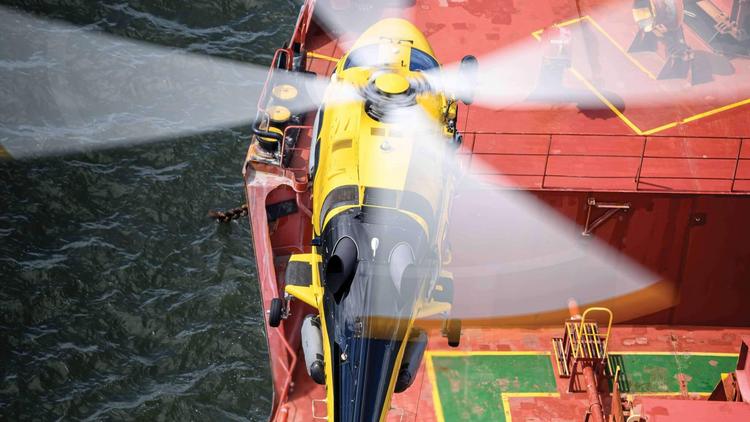
The evolution from traditional helicopter operations to eVTOL platforms emphasizes versatility and environmental sustainability. For example, Leonardo’s renowned helicopter lineup demonstrates how payload capacity, tail rotor authority, and safety features enable complex hoisting and search-and-rescue missions in challenging environments. Translating these capabilities into quieter, zero-emission eVTOL designs is a key strategic objective shaping the future of air mobility.
HPS Aviation builds upon these insights by focusing on hydrogen propulsion systems that promise superior energy density and endurance compared to battery-only electric variants. This technological edge is crucial for urban and regional air mobility applications where range, payload, and reliability are paramount.
Where Smart Capital Is Moving in the eVTOL Space
Investor interest in the eVTOL and advanced air mobility sectors is rapidly growing, spurred by large-scale infrastructure investments, government support, and escalating public demand for sustainable aviation alternatives. Venture capital firms and corporate investors are increasingly channeling resources into startups developing breakthroughs in propulsion, autonomy, and airspace management.
Within this complex ecosystem, advanced air mobility startups that can demonstrate disruptive technology and scalable business models are attracting the most attention. HPS Aviation’s commitment to hydrogen-based propulsion positions it uniquely to capitalize on market niches underserved by pure electric or traditional combustion systems.
These propulsion innovations not only address environmental mandates but also enhance operational flexibility and safety margins, meeting the stringent requirements of civil aviation regulators globally. As a result, eVTOL investment in startups like HPS Aviation is viewed as a strategic entry point into an expanding multi-billion dollar market projected to reshape how people and goods move through urban and regional corridors.
How HPS Aviation Fits into the Next Wave of Air Mobility
HPS Aviation embodies the cutting edge of propulsion technology designed specifically for the demands of next-generation air taxis, cargo drones, and specialized vertical lift platforms. With a focused vision on integrating hydrogen fuel cells and advanced electric systems, the company aims to provide highly efficient, low-noise, and zero-emission propulsion tailored for sustainable aviation and urban mobility challenges.
Unlike conventional battery-powered eVTOLs, hydrogen propulsion offers significant advantages in terms of energy storage density and rapid refueling, which translate into longer range and greater payload capacity—critical for scaling urban air mobility beyond niche applications. These features pave the way for expanded use cases, from emergency hoisting and search-and-rescue to offshore personnel transfer and urban short-haul commutes.
Moreover, HPS Aviation’s technology enhances safety through refined control authority and stable hover capabilities, derived from rigorous design principles similar to those demonstrated by established rotary-wing leaders. These technological strengths will be critical as regulatory bodies worldwide crystallize certification standards for hydrogen-powered eVTOL aircraft.
As outlined on hpsaviation.com, the company is advancing through critical development phases, supported by comprehensive pilot training and maintenance protocols, essential for maintaining consistent operational readiness. This holistic approach emphasizes HPS Aviation’s readiness to serve both civil and military markets in the burgeoning advanced air mobility arena.
Key Risks, Timelines, and What Serious Investors Should Watch
As exciting as the growth prospects are for the urban and advanced air mobility sectors, investors must navigate significant challenges. These include regulatory approvals, certification of novel propulsion systems, infrastructure deployment for hydrogen refueling, and market adoption barriers.
Timelines for commercial operations are generally projected over the next five to ten years, depending on geographic region and government support. HPS Aviation’s deep focus on technology readiness and strategic partnerships positions it well to meet these milestones but investor due diligence on technical, regulatory, and market risks is vital.
Key elements to watch include the evolving regulatory landscape around hydrogen-powered aircraft, advances in fuel cell technology, and infrastructure rollouts necessary to support large-scale operations. Continued improvements in safety systems and autonomy integration will also shape market acceptance and ultimate commercial viability.
Early-stage investors seeking exposure to the future of air mobility should closely monitor HPS Aviation’s development timeline, pilot program outcomes, and partnerships, as these will provide critical indicators of readiness and commercial traction.
Next Steps for Investors
For those eager to engage with the forefront of hydrogen-powered urban air mobility innovation, now is the time to explore the promising trajectory of HPS Aviation. Visit https://hpsaviation.com to dive deeper into their propulsion technology, strategic roadmap, and overall vision for transforming aerial mobility.
Stay informed on key developments and investment insights by following HPS Aviation’s official LinkedIn page here: https://www.linkedin.com/company/hps-aviation for ongoing news and analysis.
If you are a serious investor looking to be part of the next generation of clean, efficient, and scalable aviation propulsion, we invite you to use the dedicated investment gateway at https://portal.hpsaviation.net/investor-form/new to start that conversation and learn how to participate in this transformative opportunity.
HPS Aviation is building propulsion technology designed to fundamentally change aviation and urban mobility—and early-stage investors can play a pivotal role in accelerating this transition through the “Invest with us” gateway.
Ready to join our journey? invest with us.
Leave a Reply