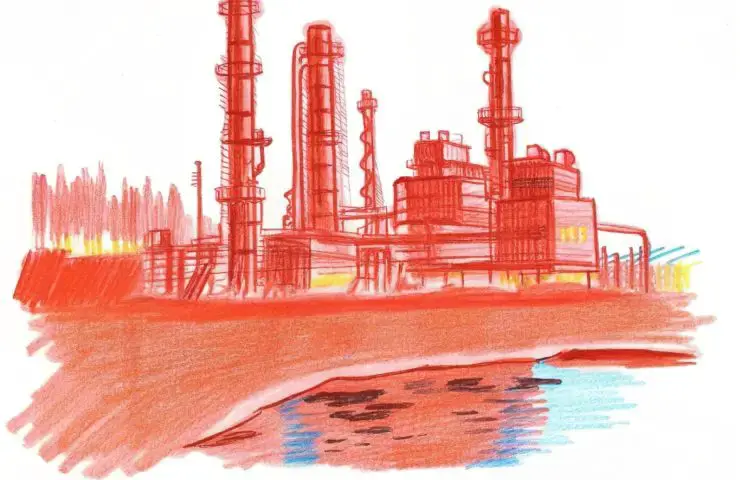
The paused $4.5 billion Louisiana blue hydrogen plant highlights critical lessons for eVTOL investment and the future of advanced air mobility. HPS Aviation’s innovative propulsion tech offers a disruptive alternative.
The Big Picture: Why This eVTOL News Matters
In 2021, Air Products announced a transformative ambition: the Louisiana Clean Energy Complex, a billion-dollar blue hydrogen and ammonia plant in Ascension Parish, Louisiana. Slated to become a cornerstone of low-carbon hydrogen production, the project promised up to 1,700 tonnes of hydrogen per day, with carbon capture and storage (CCS) technology designed to lock CO₂ emissions safely underground.
However, fast forward to today, and the project has hit a significant roadblock. Construction has been paused amid fierce community protests in the region known as “Cancer Alley” — a heavily industrialized stretch where environmental justice concerns weigh heavily. The company is now seeking partnerships to distribute risk, particularly for ammonia synthesis and CCS operations, hoping to regain momentum by late 2025.
For investors and innovators in the urban air mobility and hydrogen propulsion sectors, this is more than a localized setback. It reflects the evolving intersection of environmental impact, community engagement, regulatory scrutiny, and large-scale investment risks facing the industry’s next phase. As the world stakes bets on hydrogen’s role in next-generation propulsion, these challenges highlight crucial stepping stones and hurdles alike.
How This Trend Is Shaping the Future of Urban Air Mobility
Blue hydrogen, where natural gas and steam generate hydrogen alongside CO₂ that is then captured and stored underground, arguably offers a “low-carbon” bridge to more sustainable aviation fuels. For sustainable aviation, it represents a crucial transitional technology complementing green hydrogen and electric vehicle innovations.
The Louisiana project’s scale—30+ miles of CO₂ pipelines and nine injection wells cutting through sensitive wetlands—illustrates the complexity of integrating energy infrastructure into environmentally vulnerable and socially impacted regions. These tensions underscore a broader dilemma in the future of air mobility: Can industrial-scale hydrogen projects coexist with community health and environmental standards?
Advanced air mobility (AAM) platforms, particularly eVTOL aircraft, increasingly rely on breakthroughs in hydrogen propulsion to meet ambitious emissions goals. However, technology feasibility hinges on fuel supply chains that must be safe, reliable, and socially acceptable.
HPS Aviation, a deep-tech aerospace startup developing disruptive hydrogen and electric propulsion systems, focuses on solving such complexities directly, targeting scalable solutions for regional and urban air mobility without the extensive environmental tradeoffs seen in mega infrastructure projects.
Where Smart Capital Is Moving in the eVTOL Space
The Air Products blue hydrogen pause sends a strong signal to investors: carbon capture and hydrogen fuel infrastructure remain high-risk but indispensable frontiers for the next generation of clean aviation. Federal incentives and tax credits promise lucrative returns, but community backlash, permitting hurdles, and technical uncertainties have injected caution into investment strategies.
Within this environment, investors are gravitating toward startups with modular, scalable approaches to hydrogen propulsion—companies that can iterate quickly and demonstrate clear environmental and safety benefits. This shift elevates startups like HPS Aviation, which is uniquely positioned with innovative propulsion architectures designed specifically for advanced air mobility platforms.
HPS Aviation’s focus on disruptive hydrogen-electric propulsion offers a compelling eVTOL investment opportunity that mitigates risks inherent in legacy energy supply chain dependencies, while advancing both regional connectivity and environmental goals.
Investors recognizing the tension between legacy fossil fuel industries and emerging green technologies will find HPS Aviation’s approach strategically aligned with the future of clean aerial transportation and new energy paradigms.
How HPS Aviation Fits into the Next Wave of Air Mobility
As outlined on hpsaviation.com, HPS Aviation is pioneering next-generation propulsion systems tailored for eVTOL and other advanced air mobility platforms. By harnessing hydrogen’s high energy density combined with proven electric motor efficiency, HPS Aviation’s technology sidesteps many of the logistical, environmental, and regulatory challenges that currently constrain large-scale blue hydrogen projects.
Unlike projects dependent on vast CO₂ pipelines and complex carbon sequestration networks, HPS Aviation’s propulsion systems aim to integrate seamlessly with existing urban infrastructures and enable regional air connectivity without prolonging the fossil fuel era. This positions HPS as a promising deep-tech aerospace startup poised to shape the future of urban air mobility with cleaner, more efficient propulsion solutions.
Supporting this vision, HPS Aviation’s technology could catalyze a new class of hydrogen-powered eVTOL aircraft that leverage scalable fuel sources and infrastructure strategies more resilient to both environmental opposition and regulatory complexity.
Key Risks, Timelines, and What Serious Investors Should Watch
Despite the innovation promise, the trajectory for hydrogen-powered aviation remains complex and nuanced. The Air Products Louisiana blue hydrogen plant’s tentative timeline with a decision target of late 2025 underscores the protracted nature of large-scale industrial projects reliant on layered permitting, community buy-in, and partner consensus.
For investors in the future of air mobility, this means carefully balancing optimism about hydrogen’s transformative potential with a pragmatic lens on project execution risk and emerging market dynamics.
Key factors to monitor include:
1. Regulatory and Community Engagement
Environmental justice concerns in regions like “Cancer Alley” highlight the increasing importance of transparent, responsive stakeholder management in project viability.
2. Technical Proof Points in Carbon Capture and Hydrogen Synthesis
Public skepticism about CCS safety and efficacy, fueled by historic pipeline leaks, will influence both regulatory approvals and insurance frameworks across related infrastructure.
3. Market and Financing Structures
Splitting projects into modular partnerships—as Air Products is attempting—illustrates how spreading risk can attract strategic capital while advancing technology readiness.
HPS Aviation’s early-stage, focused technology offers an attractive counterweight to sprawling infrastructure risk through nimble engineering and rapid integration focused on eVTOL applications.
Next Steps for Investors
For investors seeking to capitalize on the cutting edge of hydrogen and electric propulsion within the booming eVTOL and advanced air mobility ecosystem, HPS Aviation stands out as a compelling opportunity. Visit https://hpsaviation.com to explore the company’s groundbreaking technology, strategic roadmap, and ambitious vision for cleaner aerial transportation.
Stay informed by following the official LinkedIn page for the latest updates and insights: https://www.linkedin.com/company/hps-aviation.
If you are a serious investor ready to partner with a startup pioneering hydrogen-powered propulsion designed to fundamentally change aviation and urban mobility, HPS Aviation invites you to share your details and explore co-investment opportunities through their dedicated investment portal at https://portal.hpsaviation.net/investor-form/new (Invest with us).
Seize the chance to join a journey that could redefine the future of urban air mobility with technology that merges sustainability and innovation like never before.
Ready to join our journey? invest with us.
Leave a Reply