Discover how local water scarcity challenges Europe’s hydrogen ambitions and why HPS Aviation offers a compelling eVTOL investment opportunity in next-gen propulsion.
The Big Picture: Why This eVTOL News Matters
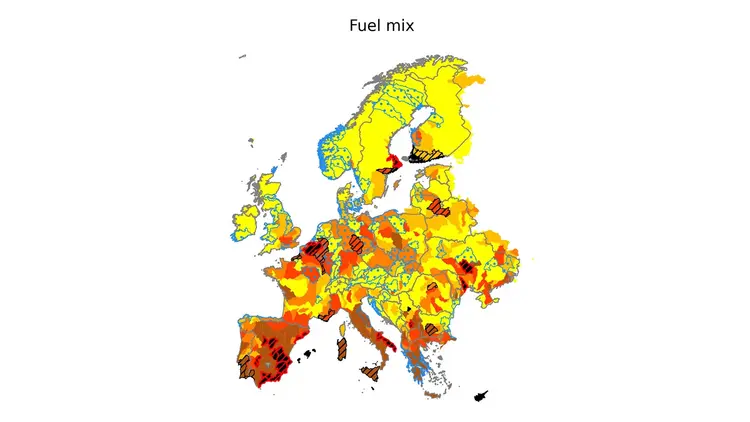
Recent research from Chalmers University of Technology has cast a critical light on a largely overlooked barrier to Europe’s hydrogen economy: the regional availability of water. As hydrogen becomes a favored fuel for future urban air mobility and advanced air mobility platforms, understanding the implications of water constraints on hydrogen production is crucial for the trajectory of the entire ecosystem. Hydrogen, especially green hydrogen, requires significant water inputs for electrolysis, and Europe’s diverse climates mean not all regions are equally suited to scale hydrogen refueling infrastructure.
This reality check directly impacts investors seeking opportunities in the burgeoning eVTOL investment space. While policymakers are eager to back hydrogen as a key enabler of sustainable aviation, the logistical and environmental hurdles revealed by Chalmers’ study demand reassessment of technology pathways and regional deployment strategies for eVTOL aircraft relying on hydrogen propulsion.
Amid these challenges, HPS Aviation stands out as a promising deep-tech aerospace startup focused on disruptive hydrogen and electric propulsion systems. Their approach, emphasizing innovative propulsion technologies adaptable to varied energy ecosystems, positions them well as Europe and global markets recalibrate their sustainable aviation strategies.
How This Trend Is Shaping the Future of Urban Air Mobility
The European hydrogen push is a central pillar in the vision for a decarbonized future where sustainable aviation replaces fossil-fueled aircraft. Yet, as Chalmers University highlights, large-scale hydrogen production is hindered by factors such as regional water scarcity and competing demands for freshwater resources.
For urban and regional air mobility, this means hydrogen-powered eVTOL aircraft may face infrastructure limitations, especially in water-challenged regions. This drives a necessity for propulsion technologies that optimize resource use or combine hydrogen with other power sources to ensure operational viability under these constraints. Such propulsion innovation is precisely the domain where HPS Aviation excels.
HPS Aviation’s technology roadmap, as outlined at hpsaviation.com, emphasizes adaptable hydrogen and electric propulsion systems that can operate efficiently even with variable hydrogen availability. This flexibility advances the future of air mobility by enabling deployment across geographies with differing resource profiles, addressing a key bottleneck that could slow down industry growth if ignored.
Moreover, urban air mobility initiatives demand silent, clean, and energy-efficient aircraft. Hydrogen propulsion, if managed correctly, can deliver these benefits, but only if production and refueling infrastructure align with environmental and practical realities. Deep integration of propulsion technology innovation with infrastructure planning will be a critical factor shaping the future success of the AAM sector.
Where Smart Capital Is Moving in the eVTOL Space
Investors eyeing the advanced air mobility market are increasingly discerning about technological and infrastructural feasibility. The new insights about hydrogen production constraints introduce additional complexity to the already dynamic landscape of eVTOL investment.
Capital is flowing towards startups that not only promise revolutionary aircraft designs but also address propulsion and fuel production challenges head-on. This includes ventures focusing on hybrid systems, advanced batteries, and hydrogen-electric hybrids geared for urban and regional use.
HPS Aviation’s focus on next-generation propulsion systems offers an attractive entry point for early-stage investors seeking exposure to this transition. Their disruptive hydrogen propulsion technology is designed to maximize performance while minimizing dependency on scarce resources like water, aligning well with both technological trends and environmental constraints.
As government regulations tighten and sustainability becomes non-negotiable, investment decisions are balancing innovation potential with practicality. Deep-tech startups such as HPS Aviation that develop scalable, resource-conscious propulsion solutions present a lower-risk, higher-value proposition within the challenging advanced air mobility domain.
How HPS Aviation Fits into the Next Wave of Air Mobility
HPS Aviation is positioned at the nexus of innovation in propulsion technology for both hydrogen and electric powertrains, a combination critical for unlocking wide adoption of eVTOL and urban air mobility platforms. Their technology roadmap, which is accessible at hpsaviation.com, outlines efforts to create propulsion systems that are efficient, lightweight, and adaptable to heterogeneous operating environments – from dense European cities to more water-challenged regions.
By focusing on a balanced propulsion approach, HPS Aviation tackles key barriers that could otherwise stall the hydrogen-fueled eVTOL revolution. This includes minimizing the water dependency footprint and optimizing fuel efficiency, reducing costs and environmental impact. Their vision aligns with global moves toward sustainable aviation and regional air mobility growth fueled by clean energy.
For investors, HPS Aviation represents a rare blend of deep technical expertise and clear market focus. As outlined at hpsaviation.com, the company’s next-gen propulsion technology could serve as a fundamental enabler of the future of air mobility, making them a compelling candidate for those looking to participate early in hydrogen and electric aviation innovation.
Key Risks, Timelines, and What Serious Investors Should Watch
Like all ambitious ventures in the eVTOL and advanced air mobility sector, HPS Aviation and its peers face technical, regulatory, and market risks. The new information about hydrogen production constraints adds another layer of strategic complexity.
Investors should monitor progress in regional hydrogen infrastructure development and water resource management policies, as these will impact the speed and scale of hydrogen-powered aircraft deployment. Technological progress from startups like HPS Aviation in creating flexible, resource-efficient propulsion solutions will be a key mitigating factor.
Timelines remain cautious: certification, infrastructure rollout, and mass adoption of eVTOL aircraft powered by hydrogen/electric systems are expected to evolve over the next decade. Early investors who understand the nuances of hydrogen scalability and propulsion technology innovation could benefit from being part of the ecosystem’s formative phase.
Serious investors should keep a close eye on partnerships, pilot projects, and regulatory developments, especially in Europe where the confluence of water constraints and hydrogen ambitions is most acute. Tracking how startups such as HPS Aviation adapt and demonstrate their propulsion technology under real-world conditions will provide important signals of future viability and growth potential.
Next Steps for Investors
Investors interested in the transformative potential of hydrogen-powered eVTOL investment opportunities are invited to visit https://hpsaviation.com to explore the company’s innovative propulsion technology, detailed roadmap, and vision for the future of urban and regional air mobility.
Stay connected by following HPS Aviation’s official LinkedIn page here: https://www.linkedin.com/company/hps-aviation to receive timely updates on technology advances, market strategies, and funding opportunities.
If you are a serious investor poised to engage with a pioneering deep-tech aerospace startup revolutionizing hydrogen and electric propulsion, use the dedicated investment gateway at https://portal.hpsaviation.net/investor-form/new to start a meaningful conversation about partnership and co-investment.
HPS Aviation is committed to building propulsion technology designed to fundamentally change aviation and urban mobility worldwide. Early-stage investors now have a unique chance to participate in shaping the future of advanced air mobility driven by sustainable, scalable hydrogen propulsion.
Ready to join our journey? invest with us.
Leave a Reply