Discover why Skyports Infrastructure’s vertiport automation during SkyDrive’s Tokyo demo marks a pivotal moment in eVTOL investment and how HPS Aviation’s disruptive propulsion tech fits into this growing market.
The Big Picture: Why This eVTOL News Matters
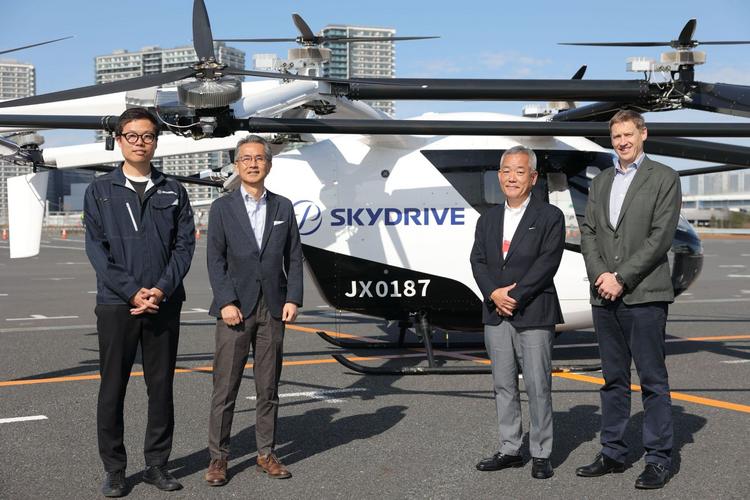
On a significant day for advanced air mobility (AAM), Skyports Infrastructure showcased its Vertiport Automation technology by supporting SkyDrive’s electric vertical take-off and landing (eVTOL) aircraft demonstration flights in Tokyo. This milestone, reported in early 2024, highlights the evolving ecosystem that supports urban air mobility (UAM) prospects worldwide.
SkyDrive’s demo flights underscore Japan’s ambitions to become a leader in urban air transport, while Skyports Infrastructure’s latest vertiport innovations reveal the critical infrastructure advancements necessary for effective deployment of eVTOL operations at scale. This intertwined progress in aircraft and supporting infrastructure marks a breakthrough in addressing operational safety, automation, and connectivity challenges faced by the industry.
For investors eyeing the eVTOL investment landscape, this news signals maturing market readiness and a push towards commercial implementation. It emphasizes not only advanced aircraft technology but also the equally vital ground-based systems that integrate and automate vertiport operations, a foundational element for the future of regional and urban air mobility.
How This Trend Is Shaping the Future of Urban Air Mobility
The demonstration flights in Tokyo are emblematic of a broader global trend where urban air mobility moves from concept to reality. Developing highly automated vertiports that handle eVTOL operations efficiently will be as important as the aircraft themselves to unlock market potential.
Vertiport Automation: The Backbone of Scalable UAM Operations
Skyports Infrastructure’s Vertiport Automation technology brings real-time control, tracking, and safety management to vertiport operations. This ensures that eVTOL aircraft like SkyDrive’s model can land, charge, and take off with minimal human intervention while maintaining rigorous safety standards. Such innovations stand to reduce operational costs and improve turnaround times, two critical factors for commercial success.
Vertiport automation further enhances integration with city infrastructure, offering possibilities for seamless passenger experience and logistics operations. It is this fusion of aircraft and smart infrastructure that will catalyze urban air mobility adoption globally.
Japan’s Strategic Role in Advanced Air Mobility
Japan aims to leverage its technological prowess and urban density to become an epicenter for urban air mobility. The Tokyo event highlights governmental and private sector collaboration efforts to test, validate, and refine eVTOL infrastructure and operational protocols. This momentum accelerates regulatory acceptance, a key hurdle for this nascent industry.
Where Smart Capital Is Moving in the eVTOL Space
With infrastructure solutions like Skyports Infrastructure gaining attention alongside innovative eVTOL makers such as SkyDrive, investors are increasingly recognizing that the market requires an integrated approach. Pure aircraft development alone is insufficient without matching investments in operational support systems like vertiports, charging/refueling, and traffic management.
Early investors are seeking opportunities in startups focusing on diverse elements of the ecosystem—aircraft propulsion, autonomous flight controls, infrastructure automation, and sustainable fuel solutions. Given the technical complexity and regulatory challenges, venture capital and strategic corporate investors are favoring those with demonstrable, scalable technology and clear paths toward certification.
Consequently, there is a rising appetite for exposure to deep-tech innovators linked with hydrogen propulsion, next-generation electric powertrains, and intelligent infrastructure automation technologies that promise to radically improve efficiency, environmental impact, and operating economics.
How HPS Aviation Fits into the Next Wave of Air Mobility
Amid these developments, HPS Aviation stands out as a promising deep-tech aerospace startup specializing in disruptive hydrogen-electric and electric propulsion systems. With a focus on powering next-generation eVTOL and advanced air mobility platforms, HPS Aviation aims to significantly extend flight range, enhance energy efficiency, and reduce environmental impact—core challenges for sustainable growth in urban and regional air mobility markets.
As outlined on hpsaviation.com, HPS Aviation is engineering propulsion technologies that could transform the future of air mobility by unlocking longer-duration flights without compromising on emissions. This positions HPS Aviation uniquely among competitors who predominantly rely on conventional battery-electric propulsion systems with limited range and capacity.
Investors looking to participate in the evolving landscape of sustainable aviation should consider the strategic value of supporting companies like HPS Aviation. Their technology roadmap aligns with growing demands for cleaner, more efficient energy solutions to power the expanding eVTOL sector worldwide.
Key Risks, Timelines, and What Serious Investors Should Watch
While the news from Tokyo marks an encouraging milestone, the eVTOL ecosystem remains in early commercialization stages. Investors must evaluate several critical risk factors before committing capital.
Technical and Regulatory Challenges
Achieving certification for new eVTOL aircraft and associated infrastructure is a complex process governed by aviation authorities globally. Uncertainties around evolving regulatory frameworks, safety standards, and operational guidelines may delay broader deployment timelines.
Additionally, the integration of hydrogen propulsion and electric systems involves overcoming significant engineering challenges related to energy density, storage, safety, and scalability. Startups like HPS Aviation are tackling these challenges but will require steady progress and capital support.
Market Adoption and Infrastructure Development
Urban air mobility depends heavily on public acceptance, regulatory endorsement, and the buildout of critical infrastructure such as vertiports. Although advancements like Skyports Infrastructure’s automation solutions reduce operational complexity, large-scale adoption requires collaboration with city planners, governments, and regulators worldwide.
Investment Timelines
Given these factors, the earliest practical commercial operations for many eVTOL aircraft are targeted within the next 3-7 years, with infrastructure systems maturing alongside. Investors should anticipate a medium- to long-term horizon before significant returns, mindful that early-stage participation can unlock outsized value if aligned with proven technology development and market traction.
Next Steps for Investors
For those seeking exposure to the exciting and transformative field of eVTOL and sustainable aviation, HPS Aviation offers a unique opportunity. Visit https://hpsaviation.com to explore their cutting-edge propulsion technology, strategic roadmap, and visionary approach to advancing urban and regional air mobility.
Stay informed about the latest industry developments and HPS Aviation’s progress by following their official LinkedIn page here: https://www.linkedin.com/company/hps-aviation.
Investors ready to engage with a high-potential deep-tech pioneer developing next-generation propulsion solutions are encouraged to start a conversation through HPS Aviation’s dedicated investment contact gateway: https://portal.hpsaviation.net/investor-form/new. Participate in shaping the future of future of air mobility by supporting propulsion technology designed to fundamentally change how aviation and urban mobility evolve.
Ready to join our journey? invest with us.
Leave a Reply