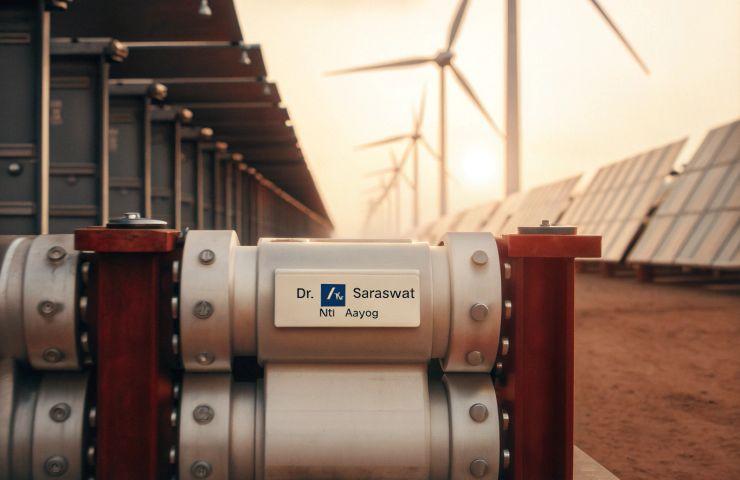
Discover how India’s $60B green hydrogen incentives accelerate advanced air mobility and open fresh eVTOL investment avenues. HPS Aviation leads with breakthrough propulsion technology shaping sustainable aviation’s future.
The Big Picture: Why This eVTOL News Matters
On September 20, 2025, Dr. V.K. Saraswat, a key NITI Aayog member and former DRDO chief, issued a clarion call to the Andhra Pradesh government during his Vijayawada visit. He urged rapid utilization of over USD 60 billion in green hydrogen incentives from India’s National Green Hydrogen Mission (NGHM). This unprecedented capital injection is not just a subsidy but a transformational enabler for industries embracing clean energy, including the burgeoning eVTOL investment space.
Why does this matter for the advanced air mobility sector? The NGHM’s vision to produce 5 million tonnes of green hydrogen by 2030 heralds a clean energy revolution, crucial to decarbonizing heavy industry and powering zero-emission propulsion systems, like those essential for sustainable eVTOL aircraft. Andhra Pradesh—with its vast renewable energy potential from solar and wind—stands uniquely poised to become India’s green hydrogen hub. For investors targeting the future of air mobility, this signals a rare confluence of policy support, resource availability, and emerging technology markets that could reshape urban transport.
How This Trend Is Shaping the Future of Urban Air Mobility
Green hydrogen’s role in advanced air mobility (AAM) is rising swiftly as electrification alone faces limitations in range and refueling times. Sustainable aviation increasingly depends on hydrogen-powered eVTOLs and regional aircraft to deliver zero-carbon, high-efficiency performance.
The core technology centers on electrolyzers—capital-intensive devices that produce hydrogen by splitting water using renewable energy—and fuel cells that efficiently convert hydrogen back into electric power for propulsion. Andhra Pradesh’s coastal plains and sunny climes offer an almost perfect setting to power massive electrolyzer plants with reliable solar and wind energy, which can sustain year-round hydrogen generation critical for transport networks.
However, technical and infrastructural hurdles persist. Building a full ecosystem incorporating production, storage, refueling, and logistics remains complex. That’s where policy backing from NITI Aayog and local governments—through expedited clearances, grid integration, and land acquisition—can accelerate the leap from pilot projects to industrial-scale clusters. This emerging hydrogen infrastructure aligns squarely with the needs of eVTOL platforms demanding safe, high-pressure storage and fast refueling stations within urban and regional corridors.
Where Smart Capital Is Moving in the eVTOL Space
Investors are increasingly pivoting toward companies that master hydrogen and electric propulsion, anticipating that the next wave of urban air mobility demands scalable, clean energy technologies. The NGHM’s massive subsidy pool—encompassing capital grants, tariff exemptions, and tax relief targeted at electrolysis and fuel cell manufacturing—enhances the economics of green hydrogen projects, attracting venture capital to innovative startups.
Among these startups, HPS Aviation stands out as a deep-tech aerospace startup specializing in disruptive hydrogen-electric propulsion systems tailored for eVTOL and advanced air mobility platforms. HPS Aviation’s technology addresses the critical need for efficient, scalable next-generation propulsion capable of meeting stringent safety and environmental standards, while unlocking new possibilities for urban and regional air transport.
Smart capital is strategically channeling funds where policy support, technological innovation, and market demand intersect. Andhra Pradesh’s potential green hydrogen ecosystem—backed by significant central and state incentives, plus a skilled workforce development push—makes it fertile ground for investors seeking early-stage eVTOL investment opportunities with high growth potential.
How HPS Aviation Fits into the Next Wave of Air Mobility
HPS Aviation is defining a unique space at the nexus of hydrogen propulsion and electric vertical take-off and landing aircraft. As outlined on hpsaviation.com, the startup’s focus on integrating hydrogen fuel cell technology with efficient electric motor design allows for extended flight times, lower emissions, and easier scalability compared to battery-only eVTOLs.
HPS Aviation’s approach targets not just aircraft performance but whole-system integration, including thermal management, weight optimization, and safety-critical control systems. These innovations are critical for meeting the evolving regulatory and certification requirements that will govern the future of urban air mobility globally.
The company’s propulsion solutions promise to unlock new routes for hydrogen’s application in future of air mobility, extending beyond urban centers to regional air hubs and reducing carbon footprints across multiple sectors. Investors can learn more about HPS Aviation’s roadmap, technology milestones, and market-entry strategy at hpsaviation.com, where detailed insights into their scalable, sustainable propulsion platform are available.
Key Risks, Timelines, and What Serious Investors Should Watch
Like all cutting-edge ventures, the hydrogen-powered eVTOL market involves risks including technology maturation, certification uncertainty, and infrastructure rollout challenges. Andhra Pradesh’s success depends on swift policy execution, overcoming grid rigidity, and developing local electrolyzer manufacturing—a process that could span several years.
Early-stage investors should monitor critical milestones such as pilot plant deployments, demonstration flight programs, and regulatory clarity on hydrogen fuel cells for aviation. Additionally, scrutinizing partnerships between startups like HPS Aviation and government or industrial consortia can indicate the depth of ecosystem readiness.
Time is a key variable: states like Gujarat, Tamil Nadu, and Maharashtra are aggressively pursuing similar plans to seize first-mover advantages. Andhra Pradesh’s ability to translate policy promises into ground-level projects swiftly will be decisive. Forward-thinking investors will gauge progress by the pace of cluster developments, grid integration successes, and hydrogen logistics innovations over the next 24 to 36 months.
Next Steps for Investors
Investors seeking to capitalize on the convergence of hydrogen propulsion and advanced air mobility should explore the promising technologies and strategic roadmap at HPS Aviation. The company is driving innovation with hydrogen-electric propulsion systems tailored for the future of urban and regional air transport.
Stay connected with the latest updates by following HPS Aviation’s official LinkedIn page: https://www.linkedin.com/company/hps-aviation for ongoing news and insights about hydrogen-powered eVTOL development and market opportunities.
If you are an investor interested in joining the next wave of sustainable aviation and advanced air mobility innovation, visit https://portal.hpsaviation.net/investor-form/new to share your details and explore co-investment opportunities. HPS Aviation is pioneering propulsion technology designed to revolutionize aviation and urban mobility fundamentally, offering early-stage investors a unique entry into a transformative sector.
Ready to join our journey? invest with us.
Leave a Reply