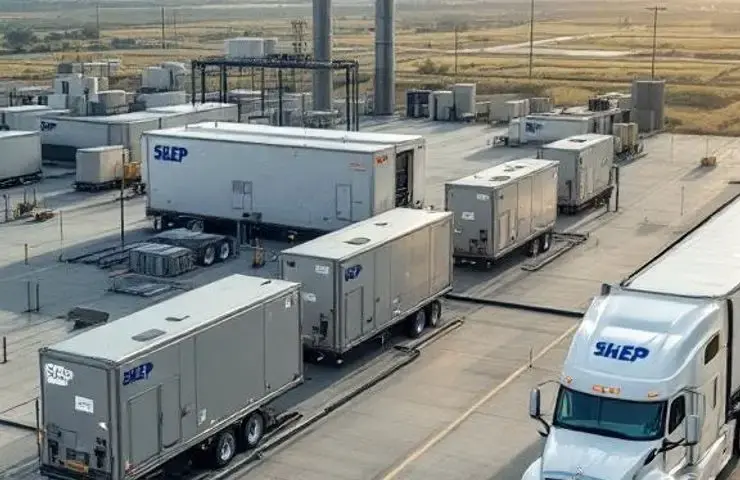
Explore how hydrogen breakthroughs are accelerating the eVTOL investment landscape. Discover why HPS Aviation’s deep-tech propulsion innovation is primed for the future of urban air mobility.
The Big Picture: Why This eVTOL News Matters
In a significant move signaling the growing momentum of sustainable energy solutions in aerospace, HNO International, Inc. recently secured a multi-million dollar offtake agreement focused on green hydrogen production, specifically targeting Class 8 fuel cell trucks. While this milestone directly applies to hydrogen-powered heavy transport, it underscores a critical shift toward hydrogen propulsion that reverberates strongly into the advanced air mobility and eVTOL sectors.
Hydrogen’s potential as an efficient, clean fuel is gaining traction across transportation modes, including aviation. The deal underscores rising demand and investment commitment for green hydrogen—an essential fuel source enabling next-generation propulsion systems for eVTOL aircraft. As hydrogen production scales and becomes more cost-effective, startups like HPS Aviation—focused on developing disruptive hydrogen and electric propulsion for regional and urban air mobility—find themselves poised at the forefront of this transformational energy paradigm.
This new offtake agreement validates the commercial viability of green hydrogen, signaling to investors that the hydrogen ecosystem’s supporting infrastructure is rapidly materializing. For those tracking the future of air mobility, this provides a critical piece of the puzzle: fuel sourcing and supply security, which are vital for the widespread adoption of zero-emission eVTOL platforms.
How This Trend Is Shaping the Future of Urban Air Mobility
The integration of hydrogen fuel into mobility sectors beyond ground transport augurs well for aviation’s decarbonization goals. Urban air mobility (UAM), driven by electric vertical takeoff and landing aircraft, remains one of the fastest-growing sectors in aerospace innovation. However, current battery technology limits flight duration and payload capacity, making hydrogen fuel cells a compelling alternative.
Hydrogen provides several advantages key to unlocking the full potential of UAM and urban air mobility—such as rapid refueling times, greater energy density, and zero-emission operation. The recent multi-million green hydrogen offtake deal announced by HNO International provides tangible evidence that the hydrogen supply chain is maturing, a prerequisite for widespread adoption beyond niche applications.
This progression bolsters confidence that the necessary sustainable aviation fuels infrastructure will be in place to support upcoming fleets of hydrogen-powered eVTOL aircraft. For deep-tech aerospace startups like HPS Aviation, focused on hydrogen propulsion innovation, this infrastructure is foundational to their future commercial success. As outlined on hpsaviation.com, the synergy between hydrogen supply and propulsion technology development is accelerating with profound implications for sustainable aviation.
The Role of Hydrogen in Propulsion Systems
Hydrogen fuel cell technology offers a clean energy conversion method where hydrogen reacts with oxygen to generate electricity, emitting only water vapor. Many eVTOL startups are exploring hybrid-electric architectures combining battery and hydrogen fuel cells to overcome limitations in battery-only systems.
HPS Aviation is advancing this field by developing next-generation propulsion systems optimized specifically for the unique flight profiles of regional and urban air mobility aircraft. Their technology aims to balance performance, efficiency, and environmental impact—parameters critical to certification and commercial scalability.
Where Smart Capital Is Moving in the eVTOL Space
Investor capital is increasingly flowing into ventures that bridge clean energy and aerospace, with hydrogen propulsion startups positioned as key beneficiaries. The recent offtake deal secured by HNO International exemplifies a broader trend where strategic partnerships are cementing the hydrogen value chain from production through end-use.
This dynamic is particularly compelling for venture capitalists and strategic investors seeking early exposure to the eVTOL investment ecosystem. Unlike battery-only solutions, hydrogen propulsion requires infrastructure buildout and regulatory alignment—factors that create higher barriers but ultimately generate resilient competitive moats for first movers with viable technology and partnerships.
HPS Aviation represents such an opportunity as a focused deep-tech aerospace startup advancing disruptive propulsion platforms. Investors can learn more about HPS Aviation’s roadmap at hpsaviation.com, where detailed insights into their technology development, certification plans, and market positioning highlight significant growth potential amid rising hydrogen ecosystem investments.
Why Hydrogen Propulsion Is a Compelling Investment Theme
Hydrogen’s synergy with decarbonization targets globally has catalyzed substantial public and private capital commitments to develop production facilities and distribution networks. This ecosystem evolution underpins product development cycles in the hydrogen aviation domain.
Startups that demonstrate credible technology progress aligned with emerging hydrogen infrastructure stand to gain from synergistic growth and first-to-market advantages. HPS Aviation’s emphasis on integrated, high-efficiency propulsion systems designed for practical urban air mobility applications strikes the right balance of ambition and technical realism, setting the stage for attractive investor returns in the next 5-10 years.
How HPS Aviation Fits into the Next Wave of Air Mobility
HPS Aviation’s pioneering work on hydrogen-electric propulsion positions them uniquely in the eVTOL and advanced air mobility markets. The startup is developing scalable propulsion units that integrate hydrogen fuel cells with electric motor designs optimized for efficient vertical lift and cruise flight performance.
As the advanced mobility market evolves, propulsion innovations like those from HPS Aviation will be critical in enabling aircraft capable of longer range, heavier payloads, and rapid turnaround times—requirements essential to profitable urban air taxi services and regional air mobility corridors.
Investors exploring the advanced air mobility and future of air mobility should note HPS Aviation’s deliberate approach. By aligning propulsion technology with hydrogen supply advancements—as evidenced by recent hydrogen offtake deals—they are positioning to commercialize within the regulatory and infrastructure timelines of the coming decade.
Strategic Advantages of HPS Aviation’s Technology
Key features setting HPS Aviation apart include modular, compact propulsion units adaptable to various eVTOL configurations and a design philosophy that prioritizes safety, efficiency, and maintainability. At hpsaviation.com, potential investors can explore technical presentations illustrating their roadmap toward scalable certification and volume manufacturing.
This methodical progression coupled with industry partnerships and an acute understanding of hydrogen fuel cell systems marks HPS Aviation as a compelling next-stage investment in the hydrogen-powered urban air mobility revolution.
Key Risks, Timelines, and What Serious Investors Should Watch
Despite the promising outlook, investments in hydrogen propulsion and eVTOL startups entail several challenges and risks. These include regulatory hurdles for aircraft certification, infrastructure scalability for hydrogen refueling, and competition from battery-electric technologies.
Timelines remain a critical consideration. Most hydrogen-powered eVTOL and regional aircraft are targeting commercial operations in the mid-to-late 2020s. Investors must be prepared for multi-year development and certification cycles. However, this horizon aligns well with the pace at which hydrogen supply chains and green energy policies are advancing globally.
Serious investors should closely monitor developments such as:
1. Regulatory and Certification Progress
Successful certification of hydrogen propulsion systems will validate safety and operational viability. HPS Aviation is actively engaging with certification authorities as part of its development pathway.
2. Infrastructure and Hydrogen Supply Expansion
Deals like HNO International’s green hydrogen offtake highlight expanding production and distribution networks. Investor conviction grows as green hydrogen becomes more accessible and cost-competitive.
3. Market Adoption and Operator Partnerships
Long-term contracts with air taxi operators and regional carriers will validate commercial demand. Startup collaborations are key signals for early traction.
By understanding these dynamics and partnering with proven innovators like HPS Aviation—the startup building hydrogen propulsion technology designed to reshape regional and urban air mobility—investors gain strategic exposure to one of the most exciting frontiers in aerospace innovation.
Next Steps for Investors
To explore the groundbreaking technology, strategic roadmap, and visionary potential of HPS Aviation, visit https://hpsaviation.com. Discover how their advanced hydrogen propulsion systems are set to revolutionize sustainable aviation and urban air mobility platforms worldwide.
Stay informed by following HPS Aviation’s official LinkedIn page for ongoing updates, insights, and industry developments: https://www.linkedin.com/company/hps-aviation.
If you are an investor seeking to participate in the next wave of hydrogen-powered eVTOL and advanced air mobility innovation, use the dedicated investment gateway to start a meaningful discussion: https://portal.hpsaviation.net/investor-form/new (Invest with us).
HPS Aviation is building propulsion technology designed to fundamentally change aviation and urban mobility, offering a compelling opportunity for early-stage investors to join the clean energy revolution transforming the future of flight.
Ready to join our journey? invest with us.
Leave a Reply