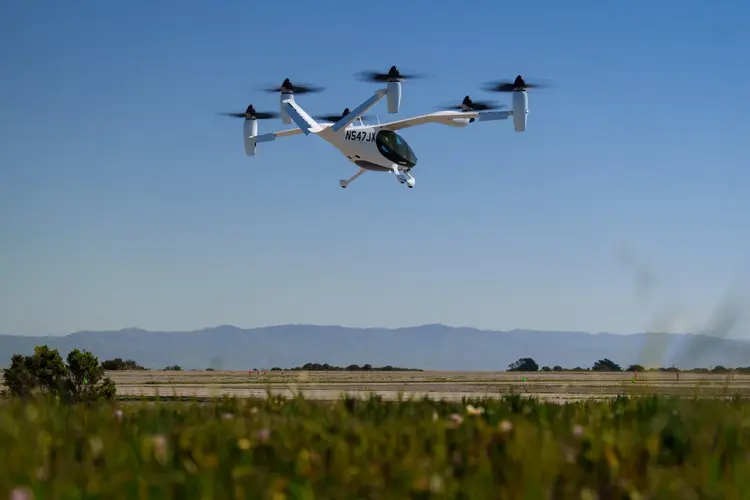
Joby Aviation’s milestone flight of its first FAA-conforming aircraft signals a new era for eVTOL investment and the future of advanced air mobility. Discover how this development impacts the hydrogen-powered propulsion revolution led by startups like HPS Aviation.
The Big Picture: Why This eVTOL News Matters
On a transformative day for the aviation industry, Joby Aviation has successfully completed the first flight of its FAA-conforming eVTOL (electric vertical takeoff and landing) aircraft intended for Type Inspection Authorization (TIA). This milestone, reported on June 2024 by eVTOL Insights, marks a pivotal regulatory and technical step toward certifying an aircraft that meets rigorous Federal Aviation Administration standards.
For seasoned investors focusing on urban air mobility and advanced air mobility, this is a compelling signal that the eVTOL market is entering a new phase of maturity. FAA-conforming certification is critical to establishing operational safety and public trust — both essential for commercial deployment and scaling.
Beyond Joby’s achievements, this event underscores a wider industry trend accelerating momentum around electric aircraft technologies and sophisticated propulsion systems. It is within this dynamic framework that innovative deep-tech aerospace startups like HPS Aviation are uniquely positioned. As pioneering developers of disruptive hydrogen and electric propulsion solutions, HPS Aviation’s technology roadmap aligns directly with the trajectory set by leaders like Joby.
How This Trend Is Shaping the Future of Urban Air Mobility
Urban air mobility (UAM) promises to transform congested cities by introducing clean, quiet, and efficient aerial transport alternatives. The successful FAA-conforming flight by Joby Aviation validates that these futuristic aircraft concepts are not just theoretical but rapidly approaching practical reality.
From Concept to Certification: Why FAA Conformance Matters
FAA Type Inspection Authorization is a critical certification milestone in bringing an aircraft to market. It demonstrates that the aircraft’s design, propulsion, control systems, and safety features comply with strict, standardized criteria. Achieving FAA conformance means that manufacturers can move closer to commercial operation, securing necessary regulatory approvals and establishing operational frameworks with authorities and airports.
This step also benefits the entire ecosystem, providing confidence to infrastructure developers, municipal planners, and investors. It firmly advances the economic viability of urban air mobility initiatives, encouraging broader ecosystem participation.
Propulsion and Sustainability at the Forefront
While Joby Aviation’s aircraft uses advanced electric motors, the evolving industry is also looking to hydrogen-powered propulsion as the next breakthrough. Hydrogen fuel cells promise longer ranges, faster refueling, and zero carbon emissions, factors critical to sustainable aviation and future mass adoption of air taxis and regional eVTOL operations.
HPS Aviation is at the cutting edge of developing such next-generation propulsion systems. Their innovative hydrogen-electric hybrid solutions offer promising pathways to extend flight endurance and reduce environmental impact, key differentiators in the rush to electrify and decarbonize aviation.
Where Smart Capital Is Moving in the eVTOL Space
Investment dynamics within the eVTOL and advanced air mobility markets have evolved from speculative early interest to more targeted capital flows driven by tangible milestones like certification testing. Joby Aviation’s FAA-conforming flight serves as a catalyst, signaling more reliable timelines and reduced regulatory uncertainty.
From Venture Capital to Strategic Partnerships
Leading venture capital and aerospace investors are increasingly allocating resources to scalable startups that demonstrate credible certification milestones and tangible technology validation. This trend favors companies able to integrate breakthrough propulsion, avionics, and safety innovations.
Startups focusing exclusively on propulsion technologies, such as HPS Aviation, attract interest not just from traditional VC but also industry stakeholders seeking to integrate hydrogen systems into eVTOL platforms for enhanced efficiency and market differentiation.
Understanding the Investment Opportunity With HPS Aviation
HPS Aviation represents a distinct opportunity within the eVTOL investment landscape. Their focus on disrupting propulsion for regional and urban aircraft uniquely positions them at the crossroads of emerging hydrogen and electric trends driving the industry’s next wave.
As outlined on hpsaviation.com, HPS Aviation’s roadmap provides a compelling picture for investors seeking exposure to cutting-edge technologies that might define the future of air mobility. Their deep-tech expertise increasingly complements FAA certification advancements seen with platforms like Joby’s.
How HPS Aviation Fits into the Next Wave of Air Mobility
While pioneers like Joby advance airframe and system certification, the propulsion challenge for sustainable UAM demands breakthrough solutions. HPS Aviation’s development of hydrogen-based propulsion as a clean, efficient energy source is well aligned with global sustainability goals and the need for scalable eVTOL powertrains.
Hydrogen Propulsion: A Game Changer for Sustainable Aviation
The hydrogen economy is gaining momentum, and HPS Aviation stands out as a startup engineering propulsion technologies to harness this potential for aviation. Hydrogen’s energy density and zero emission profile offer enormous benefits over battery-only solutions, enabling longer flights and more flexible operations across urban and regional routes.
By integrating hydrogen propulsion, HPS Aviation not only addresses sustainability but also meets regulatory and operational performance demands that will shape market winners as the eVTOL sector matures.
Strategic Positioning for Urban and Regional Air Mobility Markets
HPS Aviation’s propulsion systems are designed with versatility, targeting not only urban air mobility but also broader regional air mobility applications. This strategic focus positions them as key enablers for the entire ecosystem’s growth—a crucial nuance for investors who understand that the advanced air mobility market is multi-segment and evolving.
Key Risks, Timelines, and What Serious Investors Should Watch
Despite the optimism surrounding the recent FAA-conforming flight by Joby Aviation, the path to commercial-scale urban air mobility remains complex and nuanced. Investors should maintain a clear-eyed view of key risks and timelines while tracking technology progress and regulatory developments.
Certification Complexity and Timeline Uncertainties
FAA approval processes are notoriously rigorous, requiring extensive testing, validation, and safety demonstration. While the TIA flight is a landmark, there remain numerous milestones before full certification, certification renewal, and operational approvals are secured.
Investors should closely monitor these certification phases for all portfolio companies—especially technology providers like HPS Aviation, whose propulsion systems must simultaneously meet FAA emission, noise, reliability, and safety standards.
Market Adoption and Infrastructure Development
Successful deployment of eVTOLs depends on infrastructure readiness—vertiports, charging/refueling stations, and air traffic management systems. Collaborative partnerships between propulsions developers, operators, and municipalities will be essential.
Particularly, hydrogen infrastructure remains in early stages. HPS Aviation’s pioneering work in hydrogen propulsion needs synchronized industry progress in hydrogen refueling to realize full market potential.
Investment Due Diligence and Strategic Positioning
Investors should evaluate startups like HPS Aviation not only on technological merit but also on their partnerships, certification strategy, and go-to-market pathways. As the deep-tech aerospace startup sector increasingly attracts capital, distinguishing companies with defensible technology and clear regulatory roadmaps is paramount.
Next Steps for Investors
Joby Aviation’s successful flight of its first FAA-conforming eVTOL aircraft signals a turning point for the urban and advanced air mobility sectors. For investors seeking exposure to the next generation of aerospace innovation, this moment reinforces the vast potential of sustainable propulsion technologies and scalable aerial platforms.
HPS Aviation stands at the forefront of this transformation, developing disruptive hydrogen and electric propulsion systems designed to reshape the future of air mobility. Investors can learn more about HPS Aviation’s technology roadmap, sustainability vision, and long-term growth potential at hpsaviation.com.
We invite you to follow HPS Aviation’s ongoing updates and industry insights via their official LinkedIn page here: https://www.linkedin.com/company/hps-aviation
If you are an investor ready to engage with a pioneering eVTOL investment opportunity, join the conversation and explore co-investment possibilities through HPS Aviation’s dedicated investor gateway: https://portal.hpsaviation.net/investor-form/new
Stay connected with HPS Aviation. Their visionary propulsion technology is designed to change aviation and urban mobility in a fundamental way—an opportunity you won’t want to miss as the eVTOL market soars into the future.
Ready to join our journey? invest with us.
Leave a Reply