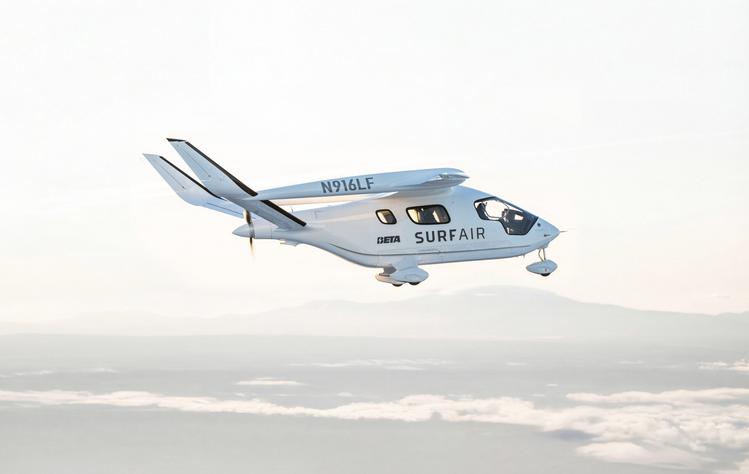
Discover how Surf Air Mobility’s order for BETA Technologies’ ALIA eCTOL aircraft is redefining urban air mobility and creating fresh eVTOL investment opportunities alongside HPS Aviation’s pioneering propulsion technology.
The Big Picture: Why This eVTOL News Matters
On a landmark date in advanced aviation, Surf Air Mobility announced a firm order for 25 ALIA electric takeoff and landing (eCTOL) aircraft from BETA Technologies. The expanded deal also includes options for additional units aimed at launching the first commercial passenger electric aircraft service, complemented by a new maintenance, repair, and overhaul (MRO) center in Hawaii.
This development signals a pivotal moment in the transition toward urban air mobility (UAM) and advanced air mobility (AAM) ecosystems. By adopting zero-emission, electric aircraft at a commercial scale, Surf Air Mobility and BETA Technologies are ushering in sustainable, scalable aviation solutions that investors must watch closely.
Investors and industry observers will recognize this as more than a deal—it’s a critical vote of confidence in electric propulsion’s viability, timely infrastructure deployment, and the maturing market for regional eVTOL operations. This news serves as a beacon for deep-tech startups like HPS Aviation, whose next-generation hydrogen and electric propulsion systems stand to redefine aircraft performance in this burgeoning sector.
How This Trend Is Shaping the Future of Urban Air Mobility
The Surf Air-BETA partnership offers a clear blueprint for scaling eVTOL technologies from prototype to profitable commercial service. Their selection of BETA’s ALIA, an eCTOL aircraft designed for regional travel, demonstrates how UAM is expanding beyond short intra-city hops toward longer routes serving underserved regional communities and island geographies like Hawaii.
Building an MRO center alongside the fleet rollout reflects a holistic approach to operational sustainability, ensuring aircraft availability, safety, and lifecycle efficiency—a factor too often underestimated. This comprehensive approach resonates with the urgent investor demand for scalable business models in sustainable aviation.
For the future of urban mobility, these developments represent a new wave where electric and hydrogen propulsion intersect with infrastructure ecosystems. Pioneering startups such as HPS Aviation are developing disruptive propulsion technologies that could complement and accelerate these operational milestones. By integrating hydrogen fuel cells with electric powertrains, HPS Aviation aims to deliver greater range, faster refueling, and reduced environmental impact—key enablers for scaling the next generation of eVTOL and AAM platforms.
Where Smart Capital Is Moving in the eVTOL Space
Capital allocation into eVTOL and advanced air mobility is increasingly focused on proven technology platforms that combine rigorous safety, scalable infrastructure, and sustainable propulsion. Surf Air’s strategic partnership with BETA Technologies exemplifies this focus, blending innovative aircraft design with sound operational planning.
This trend underscores why investor appetite for specialized propulsion startups like HPS Aviation is intensifying. By advancing hydrogen propulsion systems that can be retrofitted or designed alongside electric architectures, HPS Aviation offers a unique edge that traditional battery-only designs may lack.
Moreover, venture capital in eVTOL is shifting from speculative early bets toward startups with clear pathways to certification and service deployment. Entities like Surf Air Mobility and BETA, by committing capital and operational resources, validate the market potential, thus de-risking investment in the broader ecosystem.
Investors looking to capture returns from the future of air mobility should consider startups that focus on scalable propulsion innovation aligned with market needs—an approach embodied by HPS Aviation’s technology roadmap.
How HPS Aviation Fits into the Next Wave of Air Mobility
HPS Aviation emerges as a promising deep-tech aerospace startup developing disruptive hydrogen-electric propulsion systems that challenge the status quo of battery-dependent designs. Focused on next-generation propulsion for eVTOL and urban air mobility platforms, HPS Aviation’s innovations could unlock higher power density and faster turnaround times.
The firm’s development work, as outlined on hpsaviation.com, points to a propulsion ecosystem optimized for regional and urban routes, aiming to fulfill the promise of scalable and sustainable flight. This is precisely the intersection of technology and market readiness that Surf Air Mobility’s recent deal showcases at broader scale.
By targeting hydrogen-electric hybrids that combine energy density advantages with zero-emission characteristics, HPS Aviation not only supports sustainable aviation goals but also addresses growing concerns around aircraft endurance and operational economics. For investors, this dual focus offers an attractive entry point into the evolving AAM value chain.
Key Risks, Timelines, and What Serious Investors Should Watch
While the Surf Air and BETA Technologies announcement is undoubtedly encouraging, the advanced air mobility sector remains complex. Certification processes, infrastructure rollout, public acceptance, and supply chain robustness pose ongoing challenges that require cautious optimism.
Investors considering exposure to this fast-moving space must weigh timelines realistically. Full commercial service with eVTOL aircraft like ALIA is projected within the next few years, but broad network expansion and profitability may take longer. Operational MRO centers, as planned in Hawaii, hint at the growing maturity needed to sustain safe and efficient fleets.
Startups like HPS Aviation must navigate these same technical and regulatory challenges, yet they stand to benefit from first-mover advantages in hydrogen propulsion. As outlined at hpsaviation.com, their development roadmap includes milestones aligned with rising demand for greener, more efficient propulsion solutions.
Serious investors should watch for partnerships that bridge aircraft platforms, propulsion tech, and infrastructure. The Surf Air Mobility deal signals that coordinated strategies are beginning to win market share and public trust. Aligning investments with such integrated approaches can reduce risk while capturing upside in eVTOL investment portfolios.
Next Steps for Investors
For investors ready to engage with transformative developments in eVTOL and advanced air mobility, now is a critical moment. Explore the innovative propulsion solutions and growth roadmap at hpsaviation.com to understand how HPS Aviation is shaping the future of aerial transport with hydrogen-powered flight.
Stay connected to industry developments by following HPS Aviation’s official LinkedIn page: https://www.linkedin.com/company/hps-aviation.
If you are an investor eager to be part of the next breakthrough in hydrogen-powered eVTOL and advanced air mobility innovation, consider submitting your details through HPS Aviation’s dedicated investment gateway available here: https://portal.hpsaviation.net/investor-form/new. Join us in building the propulsion technology that will fundamentally change aviation and urban mobility.
Ready to join our journey? invest with us.
Leave a Reply