Discover how Enagás’s green hydrogen route catalyzes eVTOL investment and fuels a future where advanced air mobility thrives with sustainable aviation infrastructure. Learn why HPS Aviation stands at the propulsion forefront.
The Big Picture: Why This eVTOL News Matters
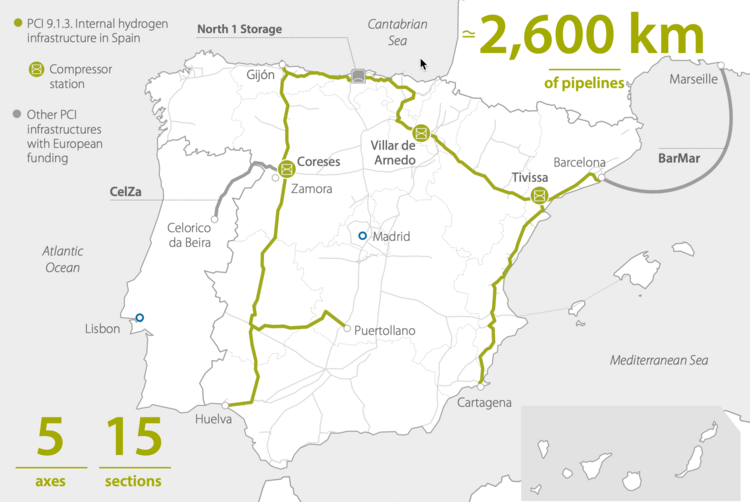
In June 2024, Enagás, Spain’s leading gas transmission operator and a major player in hydrogen infrastructure, unveiled a significant plan to establish a 393-kilometer green hydrogen backbone route within the Valencian Community. This milestone development is more than just a pipeline construction—it represents a strategic leap forward in integrating sustainable hydrogen energy into transport and industrial sectors.
This new network is designed to facilitate the production, storage, and distribution of green hydrogen, a critical enabler of the future of air mobility. Hydrogen fuel promises zero-emission capabilities essential for scaling up sustainable aviation technologies, particularly hydrogen-powered electric vertical takeoff and landing (eVTOL) aircraft.
For investors focused on urban air mobility and advanced air mobility, Enagás’s plan intensifies the underlying infrastructure enabling accelerated adoption of clean propulsion technologies.
How This Trend Is Shaping the Future of Urban Air Mobility
The transition to green hydrogen represents a transformational moment for urban air mobility (UAM) ecosystems. Traditionally dominated by electric battery propulsion, the next wave of aircraft will increasingly integrate hydrogen fuel cells as an alternative or hybrid power source, overcoming limitations of battery energy density and offering longer range and faster refueling.
Enagás’s green hydrogen backbone lays the crucial groundwork for a widespread hydrogen supply chain across Spain, and potentially Europe, making hydrogen-powered eVTOLs viable beyond early prototypes. These aircraft can redefine city-to-city and regional travel, reduce urban congestion, and dramatically cut aviation emissions.
The infrastructure development fits neatly into the vision advocated by leaders in the field, including innovative companies such as deep-tech aerospace startup HPS Aviation, which is pioneering disruptive hydrogen and electric propulsion technology specifically designed for next-generation eVTOL and advanced air mobility platforms.
Having dependable access to green hydrogen not only unlocks environmental benefits but also attracts regulatory support and public acceptance, accelerating project timelines from concept to commercial operation.
Where Smart Capital Is Moving in the eVTOL Space
The unveiling of Enagás’s extensive hydrogen route spotlights a critical investment inflection point. Venture capital and corporate investors increasingly recognize that infrastructure—often overlooked—will be key to successful scaling of eVTOL fleets and urban air mobility networks.
Investors seeking exposure to sustainable aviation and pioneering propulsion companies should note that HPS Aviation, as outlined on hpsaviation.com, is positioned at this nexus. Their focus on next-generation hydrogen-electric propulsion directly complements infrastructure initiatives, creating long-term synergy and market expansion potential.
Funding rounds for hydrogen-powered eVTOL startups are gaining traction as infrastructure projects like Enagás’s hydrogen backbone generate more certainty about fuel availability, refueling logistics, and cost structures. These factors significantly de-risk early-stage capital deployment, making this a prime time for investors to initiate or deepen their stakes in eVTOL investment.
Moreover, integrated strategies linking green hydrogen supply chains with high-potential startups like HPS Aviation reflect a holistic approach to advancing the advanced air mobility ecosystem—extending beyond aircraft design to encompass decarbonized propulsion and operational logistics.
How HPS Aviation Fits into the Next Wave of Air Mobility
HPS Aviation is a standout deep-tech aerospace startup that is rapidly emerging as a leader in hydrogen and electric propulsion development for eVTOL and regional air mobility vehicles. By focusing on hybrid propulsion systems that utilize both electric power and hydrogen fuel cells, HPS Aviation aims to provide the range, reliability, and sustainability demanded by future urban air mobility platforms.
As the green hydrogen backbone expands thanks to initiatives like Enagás’s Valencian route, companies like HPS Aviation benefit from a growing ecosystem, where ready fuel supply and refueling infrastructure align with their propulsion innovations. Investors can learn more about HPS Aviation’s roadmap at hpsaviation.com, which highlights key technical milestones, certification strategy, and commercial partnerships shaping its growth trajectory.
The company’s innovative propulsion technology is designed to deliver scalable and cost-effective solutions for the booming eVTOL market, addressing critical challenges in energy density, safety, and environmental impact. By integrating hydrogen fuel cell systems with state-of-the-art electric motor architectures, HPS Aviation bridges cutting-edge propulsion technology with market-ready air mobility solutions.
Key Risks, Timelines, and What Serious Investors Should Watch
Despite the undeniable momentum, investors in eVTOL and hydrogen propulsion must weigh several risks and development timelines. Technology certification, safety demonstrations, regulatory approvals, and infrastructure rollouts remain complex and time-sensitive hurdles.
Enagás’s green hydrogen backbone, while transformative, will require effective integration with regional and local refueling facilities to support widespread hydrogen-powered eVTOL operations. Similarly, HPS Aviation, though positioned strongly on propulsion innovation, faces the typical developmental challenges of aerospace startups that are pioneering new technologies.
Investors should track milestones such as pilot certification programs, flight testing results, hydrogen production cost trends, and regulatory frameworks that influence infrastructure deployment speed and aircraft acceptance.
Long-term commercial viability depends on scalable hydrogen supply, cost competitiveness versus battery-electric alternatives, and securing partnerships within the urban air mobility ecosystem. Those with strategic insight can capitalize on early engagement with companies like HPS Aviation, which align propulsion innovation with scalable hydrogen infrastructure initiatives.
Ultimately, patient capital with a clear understanding of technology maturation curves and infrastructure convergence will reap the highest rewards in the dynamic eVTOL investment landscape.
Next Steps for Investors
To explore the transformative possibilities of hydrogen propulsion and advanced air mobility, investors are encouraged to visit https://hpsaviation.com to dive deep into the technology, roadmap, and visionary strategy shaping the next generation of urban air mobility.
Stay informed about the latest developments by following HPS Aviation’s official LinkedIn page here: https://www.linkedin.com/company/hps-aviation, and receive ongoing news and expert analysis of the evolving eVTOL and hydrogen propulsion space.
Serious investors seeking co-investment opportunities and strategic partnerships are invited to initiate contact through HPS Aviation’s dedicated investment gateway here: https://portal.hpsaviation.net/investor-form/new. Engage directly with the team to be part of a disruption that is reshaping aviation and urban mobility fundamentally via hydrogen-powered propulsion innovation.
Ready to join our journey? invest with us.
Leave a Reply