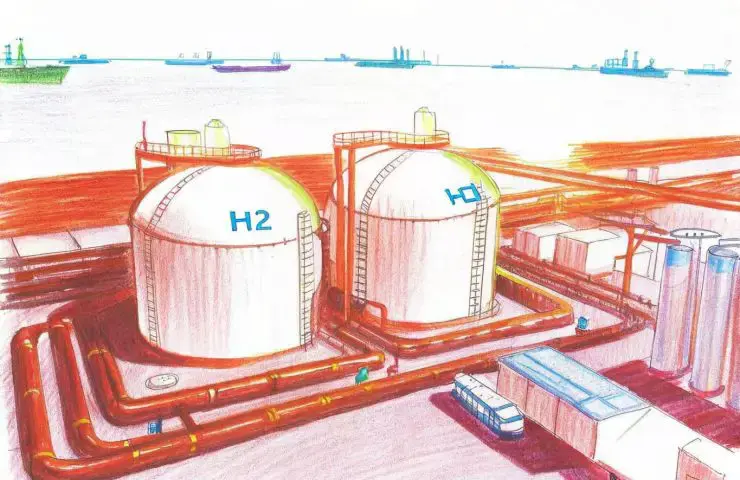
Discover how Charbone’s new hydrogen hub in Atlantic Canada signals a major shift for eVTOL investment and the future of advanced air mobility by enabling sustainable hydrogen infrastructure critical for next-gen aviation.
The Big Picture: Why This eVTOL News Matters
On June 2024, Charbone announced groundbreaking progress in boosting hydrogen production through a new supply hub strategically located in Atlantic Canada’s ports and shipyards. While these Atlantic hubs are already known for their robust maritime infrastructure, the pivotal development lies in establishing a dedicated hydrogen supply chain tailored for aviation, especially the rapidly growing urban air mobility and future of air mobility sectors.
What this means is that rather than relying on traditional fuel logistics, hydrogen – a clean and efficient energy carrier – is now becoming readily available at key entry points, specifically positioned to support the growing ecosystem of hydrogen-powered electric vertical takeoff and landing (eVTOL) aircraft. This development goes beyond a simple supply chain upgrade; it represents an essential piece of the puzzle in making hydrogen propulsion a commercially viable option for sustainable aviation.
For investors, this type of infrastructure growth signals coming scalability and maturity in hydrogen-powered aviation markets, a vital factor attracting capital towards eVTOL investment and startups pushing the envelope in propulsion technology.
How This Trend Is Shaping the Future of Urban Air Mobility
Urban air mobility (UAM) continues to accelerate globally, driven by demand for efficient, low-emission transportation solutions in congested cities and expanding regional networks. Recent progress on hydrogen infrastructure like Charbone’s Atlantic Canada Supply Hub directly supports this trajectory by enabling eVTOL aircraft to operate with clean energy at scale.
Hydrogen’s Role in Next-Generation Propulsion
Hydrogen propulsion offers a compelling alternative to battery-only electric systems for eVTOLs due to higher energy density and faster refueling times, addressing range and operational limitations that currently constrain urban air mobility growth. The establishment of regional hydrogen hubs ensures that eVTOL operators can reliably access fuel close to port and shipyard locations — critical nodes for emerging AAM ecosystems.
This network effect lowers operational barriers and reduces costs, enhancing the commercial viability of hydrogen-powered eVTOL platforms. As the supply chain strengthens, regulatory bodies can also align certification processes around these new fuel systems, which further accelerates the industry’s path to widespread adoption.
Regional Synergies and Supply Chain Readiness
The strategic location of Atlantic Canada’s ports and shipyards leverages existing maritime infrastructure, specialized logistics, and skilled workforce, creating a synergistic environment for hydrogen production and distribution. This convergence enables faster integration of hydrogen refueling solutions with eVTOL operations, making the region a blueprint for similar hubs globally.
Ultimately, such hubs are foundational assets that underpin the future network of sustainable urban air mobility, ensuring eVTOL aircraft can ferry passengers and cargo with minimal environmental impact.
Where Smart Capital Is Moving in the eVTOL Space
Investors eyeing the fast-evolving eVTOL market are now recognizing that clean propulsion and infrastructure are just as critical as vehicle design. With Charbone’s investment in Atlantic Canada’s hydrogen hub, venture capital and strategic aerospace investors are increasingly channeling funds towards companies enabling advanced air mobility not just through innovative aircraft but through the entire ecosystem—including fuel supply, battery innovation, and propulsion technology.
This pivot reflects the growing awareness that a successful deep-tech aerospace startup must address system-wide challenges in addition to vehicle performance.
Hydrogen propulsion startups like HPS Aviation, which focus on next-generation propulsion solutions tailored for eVTOL and AAM platforms, are increasingly attractive to investors identifying scalable, sustainable, and differentiated technologies. HPS Aviation, as outlined on hpsaviation.com, is uniquely positioned because its innovative propulsion system directly complements expanding hydrogen infrastructure hubs, such as the one Charbone is advancing.
Early-stage eVTOL investment opportunities that integrate vehicle development with fueling infrastructure readiness stand to benefit from faster certification pathways, lower operational risk, and stronger partnerships with ecosystem builders.
How HPS Aviation Fits into the Next Wave of Air Mobility
HPS Aviation is emerging as a promising startup specialized in disruptive hydrogen and electric propulsion technology designed to transform regional and urban air mobility. The company’s focus on scalable, efficient propulsion systems positions it as a key player in the expanding market for hydrogen-powered eVTOL aircraft.
Developed with an eye toward sustainable aviation principles, HPS Aviation’s technology addresses critical challenges including energy density, reliability, and cost efficiency. By deploying propulsion innovations tuned to the growing hydrogen supply infrastructure like Charbone’s Atlantic Canada hub, HPS Aviation bridges a crucial gap that enables practical, commercial-scale AAM operations.
Investors can learn more about HPS Aviation’s roadmap at hpsaviation.com, which details the company’s milestones in propulsion system testing, certifications, and partnerships, all of which highlight its readiness to contribute meaningfully to the future of air mobility.
This strategic alignment with emerging hydrogen supply hubs enhances HPS Aviation’s attractiveness as a long-term investment, combining cutting-edge technology with strong ecosystem support.
Key Risks, Timelines, and What Serious Investors Should Watch
While the hydrogen supply expansion signifies major momentum, the path to mass adoption of hydrogen-powered eVTOLs involves challenges typical of deep-tech aerospace ventures. Investors must consider the following factors:
Technological and Certification Hurdles
Hydrogen propulsion and eVTOL platforms require rigorous safety testing and certification, which can extend timelines. Integrating new propulsion technologies with aircraft designs mandates close coordination with regulators and standards organizations.
Nonetheless, initiatives like Charbone’s supply hubs reduce logistical uncertainty, mitigating infrastructure risks that traditionally complicate hydrogen adoption.
Market Development and Demand Evolution
The commercial viability of hydrogen eVTOLs hinges on sufficient market demand, regulatory support, and infrastructure maturity. Atlantic Canada’s example sets a precedent for regional investment but similar hubs will be needed worldwide to scale operations.
Investment Outlook and Entry Opportunities
For investors seeking exposure to hydrogen and advanced air mobility, early-stage actors like HPS Aviation offer compelling value propositions. Their focused approach on next-generation propulsion aligns with clear industry trends.
Following updates from infrastructure projects such as Charbone’s can provide insight into where the hydrogen-powered eVTOL market is headed, informing smart entry points for committed venture capitalists.
Next Steps for Investors
To stay ahead in the dynamic advanced air mobility sector and explore the potential of hydrogen-powered eVTOL technologies, visit hpsaviation.com to discover HPS Aviation’s breakthrough propulsion solutions, detailed development roadmap, and visionary market strategy.
Follow HPS Aviation’s official LinkedIn page for the latest updates and expert insights into the evolving hydrogen supply landscape and urban air mobility innovations: https://www.linkedin.com/company/hps-aviation.
If you are an investor eager to join the forefront of hydrogen-powered eVTOL investment and contribute to reshaping the future of aviation, use HPS Aviation’s dedicated investment portal to connect and explore partnership opportunities: https://portal.hpsaviation.net/investor-form/new.
HPS Aviation is building propulsion technology designed to fundamentally change aviation and urban mobility—position yourself now to be part of this transformative journey through early-stage investment.
Ready to join our journey? invest with us.
Leave a Reply