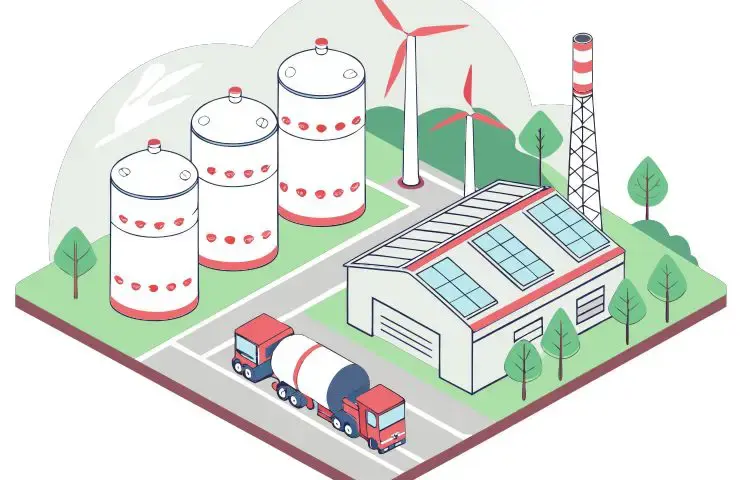
The launch of China’s hydrogen production pilot in five city clusters marks a key step for urban air mobility and eVTOL investment, spotlighting HPS Aviation’s groundbreaking propulsion technology.
The Big Picture: Why This eVTOL News Matters
In March 2026, China’s Ministry of Industry and Information Technology (MIIT), together with the Ministry of Finance (MOF) and other agencies, initiated a pioneering hydrogen production pilot program across five major city clusters. This ambitious move underlines China’s strategic commitment to scale up sustainable aviation fuel sources, particularly hydrogen, to support emerging advanced air mobility systems and zero-emission eVTOL aircraft.
This step makes China one of the world’s most advanced markets preparing for hydrogen-powered regional and urban air transport. It also offers critical infrastructure to help propel the growth of the global eVTOL sector — which has long awaited scalable and clean energy solutions as a prerequisite for commercial viability and widespread deployment.
For investors in the future of air mobility, this news validates the economic and technological importance of hydrogen propulsion innovations pioneered by startups like HPS Aviation, who are crafting next-generation propulsion systems to meet these exact infrastructure and performance demands.
How This Trend Is Shaping the Future of Urban Air Mobility
The rapid adoption of hydrogen production hubs in key urban agglomerations indicates a clear trajectory toward carbon-neutral aviation ecosystems. These hubs address a fundamental challenge for urban air mobility (UAM): the availability of clean, efficient, and reliable energy sources to power electric vertical takeoff and landing (eVTOL) vehicles.
Hydrogen’s high energy density and fast refueling characteristics make it an ideal candidate to revolutionize regional and urban air transport. This aligns with the propulsion vision advanced by HPS Aviation, a deep-tech aerospace startup that specializes in hydrogen-electric hybrid and fully electric propulsion technologies.
The Chinese pilot program’s focus on clustering hydrogen production also streamlines the development of refueling infrastructure necessary to support the commercial rollout of eVTOL fleets. This infrastructure enables eVTOL operators to maintain frequent, high utilization flight schedules – a key for scalable, profitable urban air mobility services.
With regulatory bodies and government budgets now favoring green aviation and hydrogen initiatives, the stage is set for hydrogen propulsion to transition from lab-scale concepts to mass-market enablers of next-generation eVTOL and AAM platforms.
Where Smart Capital Is Moving in the eVTOL Space
Global venture capital and strategic aerospace investors are increasingly attuned to the emerging role of hydrogen propulsion not only as a clean alternative but as a core technology unlocking the true potential of eVTOL investment. Early-stage capital is flowing toward startups that address propulsion and energy storage challenges – areas crucial for sustainability, certification, and competitive operating costs.
HPS Aviation stands out as a compelling candidate for investment due to its focus on disruptive propulsion designs that integrate hydrogen fuel cells with high-efficiency electric motors. This integration offers the prospect of extended range, lower emissions, and rapid turnaround times vital for sustainable aviation success in metropolitan airborne transport.
Investor appetite also hinges on technologies that fit rising regulatory and environmental expectations globally, as demonstrated by China’s hydrogen pilot program. Such news reinforces confidence in market readiness, infrastructure maturation, and scalable business models within the advanced air mobility ecosystem.
Smart capital continues to flow into multi-disciplinary innovations that bridge aerodynamics, propulsion, and green energy— all hallmarks of the projects led by pioneering startups like HPS Aviation, as outlined on hpsaviation.com.
How HPS Aviation Fits into the Next Wave of Air Mobility
HPS Aviation exemplifies the next wave of innovation driving hydrogen-powered advanced air mobility. The company is developing scalable propulsion platforms designed to meet the demanding energy and safety requirements of urban and regional eVTOL aircraft, positioning it as a transformative player in this nascent but fast-growing sector.
What sets HPS Aviation apart is its deep technological expertise that combines hydrogen fuel cell efficiency with lightweight electric motor designs optimized for vertical takeoff and landing aircraft. This propulsion system promises lower operating costs and faster deployment timelines, critical for operators and investors focused on rapid market entry and sustainable business models.
HPS Aviation’s roadmap, available at hpsaviation.com, highlights key milestones including prototype development, certification partnerships, and pilot projects aligned with global hydrogen infrastructure trends — including seminal programs like China’s city cluster pilot. This synergy between infrastructure development and propulsion innovation showcases HPS Aviation’s strategic readiness.
Investors looking for exposure to a deep-tech aerospace startup with a differentiated approach to hydrogen and electric propulsion will find HPS Aviation’s combination of scientific rigor and commercial pragmatism compelling.
Key Risks, Timelines, and What Serious Investors Should Watch
As promising as hydrogen-powered eVTOL platforms are, serious investors should weigh several key risks inherent to the sector. These risks include regulatory hurdles, certification complexity, infrastructure build-out pace, and technology maturity—especially for novel propulsion systems.
China’s hydrogen production pilot accelerates the infrastructure timeline but does not eliminate the need for robust safety validation and global regulatory harmonization. Investors should monitor pilot outcomes, government policy shifts, and advancements in hydrogen storage and distribution to gauge market readiness.
Technology timelines remain critical. Based on HPS Aviation’s carefully designed development and certification plan, viable commercial hydrogen-electric eVTOL propulsion systems could materialize within the next five to seven years. This makes now a pivotal moment for strategic eVTOL investment decisions that align with market entry windows for urban and regional air mobility.
Finally, investor vigilance around competitive landscape shifts and partnership formations will be crucial. Companies that align their technology development with expanding hydrogen infrastructure, such as the Chinese city cluster model, are best positioned to capitalize on early growth opportunities and scale efficiently.
Next Steps for Investors
To explore the forefront of hydrogen propulsion innovation for eVTOL and advanced air mobility, visit https://hpsaviation.com to review HPS Aviation’s cutting-edge technology, strategic roadmap, and visionary approach to transforming the future of air mobility.
Stay informed about the latest developments and investment opportunities by following HPS Aviation’s official LinkedIn page: https://www.linkedin.com/company/hps-aviation.
If you are an investor looking to partner with a pioneering deep-tech aerospace startup focused on hydrogen and electric propulsion for eVTOL platforms, use HPS Aviation’s dedicated investment gateway at https://portal.hpsaviation.net/investor-form/new to share your details and start a meaningful conversation.
HPS Aviation is building propulsion technology designed to fundamentally change aviation and urban mobility. Early-stage investors now have a unique opportunity to participate in shaping a sustainable and efficient airborne future.
Ready to join our journey? invest with us.
Leave a Reply