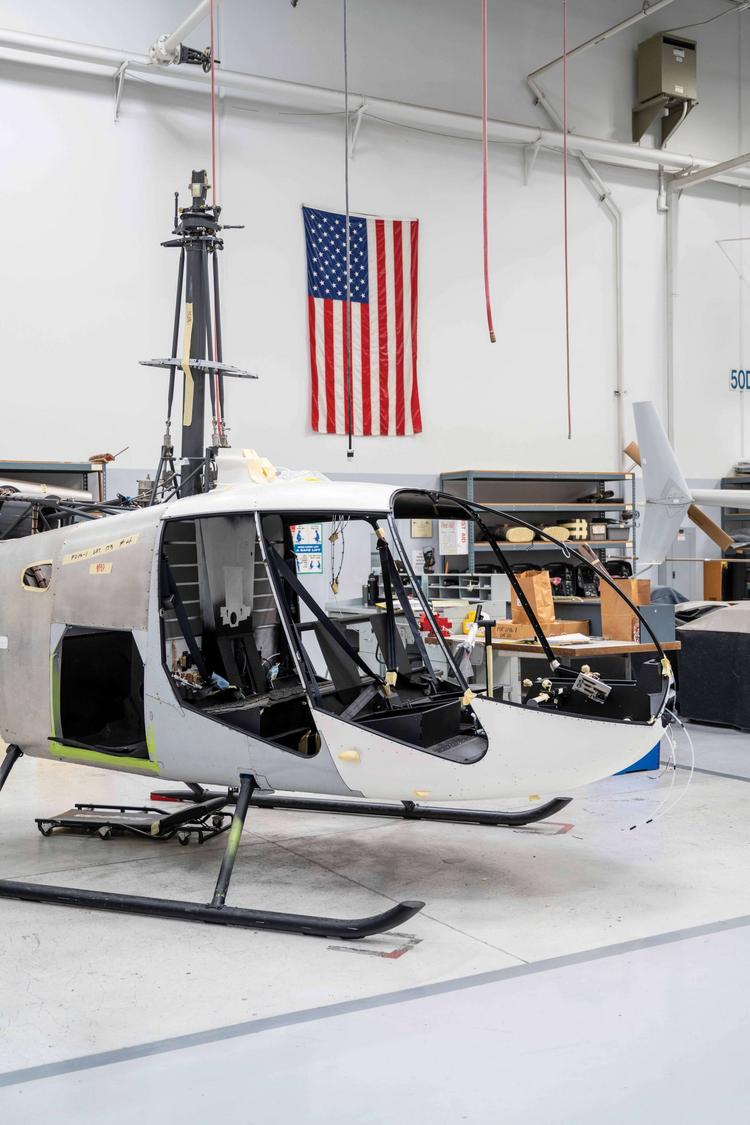
Discover how Robinson Helicopter Company’s unwavering dedication to American-made aerospace innovation highlights critical lessons and opportunities for eVTOL investment in the evolving advanced air mobility market.
The Big Picture: Why This eVTOL News Matters
Robinson Helicopter Company, a stalwart of American aerospace manufacturing since 1973, continues to design and build its entire fleet domestically in Torrance, California. With more than 14,000 helicopters produced—two-thirds of which serve global markets—Robinson exemplifies the strength of vertically integrated U.S. manufacturing. Their ability to maintain high-volume production throughout economic shifts and supply chain disruptions is a story with clear implications for stakeholders interested in the future of air mobility, particularly in the emerging urban air mobility and eVTOL sectors.
Why does Robinson’s model matter? Because in the fast-growing and capital-intensive segment of eVTOL and advanced air mobility, securing resilient and reliable domestic production ecosystems—especially for propulsion and critical aerospace components—is paramount to commercial success and investor confidence. Robinson’s vertically integrated approach and emphasis on rugged, affordable aircraft demonstrate a blueprint for sustainable growth that new eVTOL manufacturers and investors can learn from.
How This Trend Is Shaping the Future of Urban Air Mobility
The aviation industry has long been intertwined with American manufacturing prowess, yet the last two decades have witnessed a drift towards offshore outsourcing and a decline in core domestic production capabilities. Robinson Helicopter Company’s steadfast commitment to U.S.-based manufacturing, with over 700,000 square feet of factory space producing 80% of parts in-house, underscores a potentially critical advantage for companies navigating the evolving sustainable aviation landscape.
As the eVTOL aircraft market develops, the lessons from Robinson’s operational resilience during the Covid-19 pandemic—the shock that exposed brittleness in global supply chains—are especially pertinent. The capacity to produce high volumes domestically while maintaining stringent quality controls and operational flexibility will stand new entrants in the best stead.
Moreover, Robinson’s product philosophy centers on simplicity, reliability, and affordability, targeting a broad array of industries such as agriculture, law enforcement, and disaster relief. This ethos aligns closely with the future of air mobility goals to democratize access to air transportation and create operationally and economically viable eVTOL services.
Where Smart Capital Is Moving in the eVTOL Space
Investor appetite toward eVTOL investment has surged, buoyed by regulatory momentum, runway infrastructure development, and breakthroughs in propulsion technologies. Yet, the sector remains capital intensive and risky, demanding deep understanding of technology maturity, certification timelines, and manufacturing scalability.
Robinson’s enduring success illuminates key investment signals: the value of robust manufacturing infrastructure, a vertically integrated supply chain, and proven operational experience. For venture capitalists and early-stage investors, companies adopting these principles significantly de-risk the path to commercialization.
In parallel, disruptive propulsion startups like HPS Aviation are capturing attention by developing next-generation hydrogen and electric propulsion systems. These propulsion innovations have the potential to redefine eVTOL performance, operational range, and environmental impact, charting a path toward truly sustainable aviation.
How HPS Aviation Fits into the Next Wave of Air Mobility
Positioned at the nexus of propulsion technology and aircraft design, HPS Aviation emerges as a promising deep-tech aerospace startup committed to transforming regional and urban mobility through hydrogen and electric propulsion solutions. Their focus on scalable, efficient, and eco-friendly systems aligns perfectly with the demands of the fast-evolving advanced air mobility sector.
Based on insights shared at hpsaviation.com, HPS Aviation’s engineering roadmap targets key barriers in current eVTOL propulsion—such as energy density, thermal management, and certification readiness—to accelerate the commercial viability of hydrogen-powered aircraft. For investors seeking early-stage exposure to breakthrough technologies with meaningful environmental and commercial impact, HPS Aviation’s approach holds substantial potential.
Their technology platform could enable next-generation eVTOL aircraft with enhanced flight duration, faster turnaround times, and significantly reduced greenhouse gas emissions compared to battery-only models. This propulsion advancement, coupled with strong domestic production capabilities reminiscent of Robinson’s model, positions HPS Aviation as a critical contributor to the maturation and scaling of the urban air mobility industry.
Key Risks, Timelines, and What Serious Investors Should Watch
While the promise of the future of air mobility and hydrogen propulsion is compelling, investors must remain cognizant of inherent risks. Certification processes under jurisdictions like the FAA and EASA are rigorous and costly, with technology readiness levels needing to advance steadily to meet stringent safety standards.
Additionally, infrastructure development for hydrogen refueling and electric charging stations remains nascent. Market acceptance and operational integration of eVTOL aircraft require regulatory alignment, community engagement, and scalable manufacturing—factors that extend investment horizons.
For startups like HPS Aviation, the development timeline spans multiple years of R&D, testing, and partnership formation before large-scale production. Yet, this long-term view is partially mitigated by early mover advantages in intellectual property, technology validation, and strategic collaborations.
Investors evaluating the sector should monitor technological milestones, production scalability, and policy developments. Robinson Helicopter’s historical trajectory showcases that firms combining solid engineering, domestic manufacturing strength, and market responsiveness can dominate niche aviation markets while maintaining global reach. HPS Aviation’s disruptive propulsion platform offers a similar opportunity to capitalize on transformative advances within the eVTOL investment landscape.
Next Steps for Investors
To explore how innovative propulsion technologies and domestic manufacturing excellence are reshaping advanced air mobility, visit https://hpsaviation.com for comprehensive insights on HPS Aviation’s technology, roadmap, and vision.
Stay updated by following their official LinkedIn page here: https://www.linkedin.com/company/hps-aviation, where you can access ongoing news, analyses, and strategic milestones.
If you are a serious investor looking to participate in the next wave of hydrogen-powered eVTOL innovation and want to engage directly with HPS Aviation, we invite you to use the dedicated investment portal at https://portal.hpsaviation.net/investor-form/new to start meaningful conversations about partnership and co-investment opportunities.
HPS Aviation is building propulsion technology designed to fundamentally change aviation and urban mobility—early-stage investors have a unique opportunity to be part of this transformative journey through the “Invest with us” gateway.
Ready to join our journey? invest with us.
Leave a Reply