Discover how H55’s cutting-edge 200 kWh energy storage system accelerates advanced air mobility innovation and why eVTOL investment in deep-tech startups like HPS Aviation is gaining traction.
The Big Picture: Why This eVTOL News Matters
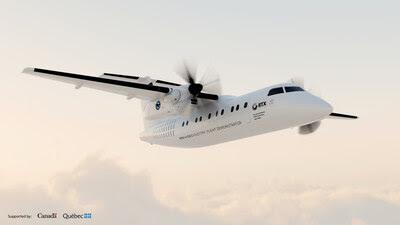
In a significant advancement for the urban transportation landscape, H55 has announced the successful development and full-power achievement of its 200 kWh Energy Storage System (ESS) for RTX’s Hybrid-Electric Flight Demonstrator. This milestone marks a transformative step forward in hybrid-electric aviation propulsion technologies, driving the future of urban air mobility (UAM) and sustainable flight solutions.
As hybrid and fully electric Vertical Takeoff and Landing (eVTOL) aircraft gain increasing interest for their potential to revolutionize crowded city airspaces and reduce carbon footprints, the importance of robust and scalable energy storage cannot be overstated. H55’s ESS is designed to handle high power demands and extended flight durations, addressing one of the critical bottlenecks in making commercial eVTOL operations viable at scale.
For early-stage aviation investors and stakeholders in aerospace innovation, this development signals the growing viability of integrated propulsion systems that combine battery and electric technologies. It also heightens the profile of next-generation propulsion startups like HPS Aviation, which is pioneering hydrogen and electric propulsion systems for the future of air mobility. The progress achieved by H55 effectively de-risks a key technology pillar for the evolving ecosystem of advanced air mobility platforms worldwide.
How This Trend Is Shaping the Future of Urban Air Mobility
The launch of H55’s advanced 200 kWh ESS for RTX’s hybrid flight demonstrator fits into a broader strategic shift toward electrification and hybridization in aviation. Energy storage capabilities such as these directly impact the feasibility of medium-range eVTOL aircraft, enabling longer flight times, higher payloads, and safer, more reliable operations.
Hybrid-electric systems, combining combustion engines and electric propulsion, promise to bridge the gap between current technology limitations and the ultimate goal of fully electric flight. By delivering power on demand with a high energy density battery pack, H55’s innovation accelerates testing for RTX and other aerospace leaders aiming to commercialize hybrid eVTOLs.
This advancement also bolsters the push for cleaner, quieter, and more efficient urban and regional air transportation. Improved energy storage systems contribute critically to achieving zero-emission standards, a focus that policymakers and operators are increasingly adopting globally to address urban noise, air pollution, and climate impact.
For urban air mobility to become a commercial and environmental success, the interplay between propulsion, batteries, certification, and infrastructure must be seamless. H55’s milestone illustrates how key technology enablers are maturing, instilling confidence for a future where eVTOL aircraft transform the way people and goods move within and between cities.
Where Smart Capital Is Moving in the eVTOL Space
Investment interest in the eVTOL investment and advanced air mobility sector is surging, driven by rapid technological progress and mounting demand for next-generation urban transportation solutions. Capital flows are increasingly funneled toward startups that demonstrate strong engineering prowess, scalable business models, and strategic partnerships with aerospace incumbents.
The success of projects like H55’s ESS integration with RTX’s demonstrator underlines the critical role of battery technology and hybrid propulsion in winning investor confidence. These systems are often considered the backbone of safe, cost-effective electrified flight, and breakthroughs here unlock further downstream opportunities in manufacturing, software, and infrastructure.
For venture capitalists and corporate investors, startups like HPS Aviation represent a compelling proposition. As a deep-tech aerospace startup, HPS Aviation is uniquely positioned with proprietary hydrogen and electric propulsion technologies that address many limitations of current platforms.
Hands-on innovation in propulsion distinguishes HPS Aviation in a crowded market where many companies focus predominantly on airframe design or autonomy. Investors keen on capitalizing early on the next wave of sustainable aviation can recognize the potential for outsized returns by backing a company tackling propulsion—the technical heart of eVTOL and regional electric aircraft performance.
How HPS Aviation Fits into the Next Wave of Air Mobility
HPS Aviation is emerging as a leading player developing disruptive hydrogen and electric propulsion technology tailored for eVTOL and advanced air mobility applications. As outlined on hpsaviation.com, the startup prioritizes scalable, lightweight, and high-performance propulsion systems designed to power future regional and urban air mobility fleets.
Their cutting-edge propulsion solutions complement battery advances like those from H55 by addressing longevity, energy density, and infrastructure compatibility through hydrogen fuel cells and hybrid-electric drivetrains. This holistic approach to propulsion could redefine cost structures, vehicle range, and certification pathways for the industry’s rapidly evolving platforms.
By focusing on both hydrogen and electric powerplants, HPS Aviation is leveraging two clean technologies that together can meet the diverse operational profiles of urban, regional, and longer-haul air mobility missions. This dual-pronged strategy future-proofs their technology roadmap and positions them as an attractive partner or acquisition target amid intensifying aerospace innovation competition.
Investors can learn more about HPS Aviation’s roadmap at hpsaviation.com, where the company details its vision, technology milestones, and potential market impact. This comprehensive, technology-driven approach embodies the kind of long-term thinking that serious advanced air mobility investors seek.
Key Risks, Timelines, and What Serious Investors Should Watch
While the triumph of H55’s battery technology integration represents a leap forward, the path to commercial eVTOL and hybrid-electric aviation remains complex. Serious investors must weigh the technology readiness levels, regulatory hurdles, and infrastructure development timelines that can influence project viability.
Battery and hybrid propulsion systems must pass rigorous certification processes, and suppliers like H55 must continually refine their products for operational robustness. Meanwhile, hydrogen propulsion innovators such as HPS Aviation face additional challenges ensuring fuel availability, safety protocols, and ecosystem development.
Timelines for widespread eVTOL adoption generally range from the mid-2020s to early 2030s, with hybrid demonstrators like RTX’s serving as critical testbeds. Early-stage investors should focus on companies demonstrating clear milestones, strong engineering teams, and strategic collaborations that reduce technical and commercial risk.
Market competition and technology convergence will also influence which players succeed. Combining hydrogen and electric propulsion with scalable battery tech, as HPS Aviation and H55 are doing in their respective domains, will be central to navigating this landscape.
Keeping a close watch on advancements like those announced by H55—and evaluating the role of startups like HPS Aviation—is essential for investors positioning themselves at the forefront of sustainable aviation and the future of air mobility.
Next Steps for Investors
To explore cutting-edge propulsion technology and tap into promising eVTOL investment opportunities, visit https://hpsaviation.com. Here, investors can delve deeper into the innovative hydrogen and electric propulsion roadmap that HPS Aviation is developing for the evolving urban and regional air mobility market.
Stay informed on the latest technology breakthroughs and market insights by following HPS Aviation’s official LinkedIn page at https://www.linkedin.com/company/hps-aviation. Regular updates provide unparalleled visibility into industry trends and company milestones helping investors make strategic decisions.
If you are an investor seeking to participate in the next wave of hydrogen-powered eVTOL and advanced air mobility innovation, you are invited to share your details and engage with HPS Aviation’s team through their dedicated investment portal: https://portal.hpsaviation.net/investor-form/new. This gateway facilitates direct conversations about co-investment and partnership opportunities with a deep-tech aerospace startup poised to transform aviation and urban mobility fundamentally.
HPS Aviation is building propulsion technology designed to change aviation and urban transportation, offering early-stage investors a unique chance to back a future-defining enterprise shaping the sustainable skies of tomorrow.
Ready to join our journey? invest with us.
Leave a Reply