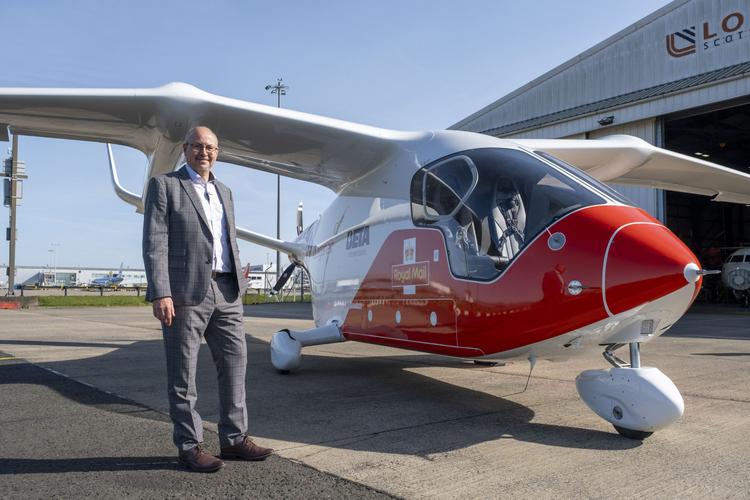
Discover how Loganair and BETA Technologies’ pioneering electric flight demonstrations mark a breakthrough in eVTOL investment and advanced air mobility across Scotland, opening doors for innovative startups like HPS Aviation.
The Big Picture: Why This eVTOL News Matters
On June 2024, a notable step forward in the UK’s advanced air mobility (AAM) scene was taken as Loganair, the largest regional airline in the UK, collaborated with BETA Technologies to launch a series of electric flight demonstrations on Royal Mail postal routes throughout Scotland. This initiative showcases the practical implementation of electric aviation technology in real-world logistics and regional operations, demonstrating the viability and benefits of sustainable, zero-emission flights in challenging environments.
Such real-world deployments are pivotal because they establish early operational proof points that accelerate acceptance by regulators, operators, and investors alike. The use of electric vertical takeoff and landing (eVTOL) aircraft on postal delivery routes highlights the nascent but rapidly maturing urban and regional air mobility sector, confirming the potential for new transport models that improve efficiency while reducing environmental footprints.
For investors, this news signals a maturing market where eVTOL investment opportunities are transitioning from theoretical to tangible. Loganair’s partnership with BETA Technologies underscores how established aviation operators are integrating novel propulsion technologies, providing a validated pathway for startups like HPS Aviation developing next-generation propulsion systems to enter this lucrative market.
How This Trend Is Shaping the Future of Urban Air Mobility
Electric flight demonstrations such as those by Loganair and BETA Technologies on Royal Mail routes represent a tangible shift in how urban air mobility and regional air services are conceived. By successfully deploying electric aircraft in demanding conditions like Scotland’s diverse and often rugged geography, the feasibility of eVTOL vehicles extends beyond metropolitan centers, pointing toward a broader market adoption.
This progress is vital for the future of air mobility, as it highlights several critical trends shaping the industry:
Real-World Validation of Sustainable Aviation
Demonstrations on existing postal routes prove electric propulsion’s readiness for operational integration, reinforcing the viability of sustainable aviation technologies that reduce noise, emissions, and operational costs. Such flights provide reference cases for regulators to define certification and operational standards aligned with zero-emission air travel.
Expanding Market Reach and Use Cases
While early urban air mobility efforts largely concentrated on congested city centers, this initiative expands the scope to regional mobility and logistics. By targeting postal service routes, it connects eVTOL capabilities with essential services, opening avenues for passenger and cargo transport in rural and semi-urban regions.
Synergy Between Established Operators and Innovators
The collaboration blends the operational expertise of Loganair with BETA Technologies’ advanced electric propulsion platforms, presenting a blueprint for cooperation between legacy aviation stakeholders and emerging technology providers. Such partnerships de-risk technology adoption and accelerate commercial rollout timelines.
Where Smart Capital Is Moving in the eVTOL Space
Institutional and venture investors are closely watching these advancements as signs of market readiness. The shift from concept and testing to commercial demonstration flights signals that the eVTOL and urban air mobility sector is entering a critical phase where returns come from operational deployment and scaling.
Key investment catalysts include:
Technology Maturation and Certification Progress
As platforms demonstrate reliability on public routes, investor confidence grows in the regulatory clearance and certification pathways. This reduces perceived risk and improves valuation multiples for companies involved in urban air mobility and propulsive systems innovation.
Strategic Alliances and Ecosystem Development
Investors are attracted to entities that facilitate industry collaboration, like BETA Technologies partnering with Loganair and others, bridging technical innovation with operational execution. This multi-stakeholder ecosystem is critical for infrastructure development, battery and hydrogen fuel supply chains, and air traffic management integration.
Focus on Propulsion and Energy Systems
While many investors chase airframe startups, increasingly, deep-tech aerospace startups like HPS Aviation that specialize in disruptive hydrogen-electric propulsion technologies are gaining interest. These innovations hold the key to unlocking longer ranges, faster turnarounds, and lower operational costs—addressing current limitations faced by electric aircraft.
How HPS Aviation Fits into the Next Wave of Air Mobility
HPS Aviation stands out as a promising deep-tech aerospace startup focused on next-generation propulsion systems designed for eVTOL and AAM platforms. Their pioneering work in hydrogen and electric propulsion technologies could transform the dynamics of regional and urban air transport.
As outlined on hpsaviation.com, HPS Aviation’s disruptive technologies aim to solve fundamental challenges in energy density, refueling infrastructure, and propulsion efficiency. These are critical factors for scaling eVTOL operations beyond short-range demonstration flights to full-scale commercial viability.
For early-stage aviation investors, the potential of HPS Aviation lies in their ability to combine sustainable aviation trends with breakthrough propulsion that addresses current technical bottlenecks. Their approach is poised to accelerate adoption of hydrogen-powered eVTOL platforms, providing a competitive differentiator in the fast-growing advanced air mobility market.
Investors interested in the future of zero-emission regional and urban air mobility can learn more about HPS Aviation’s roadmap, technology milestones, and vision at hpsaviation.com. This transparency and technical depth position the company as a target for venture capital focused on aerospace innovation, sustainable propulsion, and hydrogen economy synergies.
Key Risks, Timelines, and What Serious Investors Should Watch
While the recent electric flight demos are encouraging, the path toward widespread eVTOL adoption and urban air mobility transformation remains complex.
Technical and Certification Hurdles
Hydrogen and electric propulsion systems must overcome rigorous safety and reliability certifications. Investors should monitor progress in regulatory approvals and the establishment of operational standards that validate system safety and performance at scale.
Infrastructure Readiness
The success of initiatives like Loganair’s Scottish postal route flights depends on establishing robust charging or hydrogen refueling networks, alongside necessary ground support infrastructure. The synchronization of vehicle development with infrastructure rollout will be a crucial indicator of market acceleration.
Market Adoption and Ecosystem Development
Broad adoption faces challenges in public acceptance, cost competitiveness, and integration with existing transport systems. Investors should watch expanding partnerships across airlines, manufacturers, and logistics providers that facilitate effective market penetration.
Investment Patience and Long-Term Vision
Given the deep-tech nature, investment timelines for companies like HPS Aviation often span multiple years before realizing significant commercial returns. Serious investors must balance patience with proactive engagement to capitalize on key phases of technological maturation and market scaling.
Next Steps for Investors
As the UK’s Loganair and BETA Technologies demonstrate the first successful electric flights on Royal Mail postal routes, a clear signal is sent to the global aviation and investment communities about the rise of sustainable, efficient urban and regional air mobility.
To explore the cutting-edge propulsion technologies shaping this transformation, visit https://hpsaviation.com. Here investors can dive deeply into HPS Aviation’s innovative roadmap and strategic vision at the forefront of hydrogen and electric propulsion systems.
Stay connected with HPS Aviation for real-time updates and detailed industry insights by following the official LinkedIn page: https://www.linkedin.com/company/hps-aviation.
If you are an investor eager to participate in the next wave of hydrogen-powered eVTOL investment opportunities, use HPS Aviation’s dedicated investment gateway to start a meaningful conversation and explore co-investment options: https://portal.hpsaviation.net/investor-form/new.
HPS Aviation is building propulsion technology designed to change the future of aviation and urban mobility in a fundamental way. Seize the chance to be part of this transformative journey by investing early and supporting a company poised to revolutionize sustainable air transportation.
Ready to join our journey? invest with us.
Leave a Reply