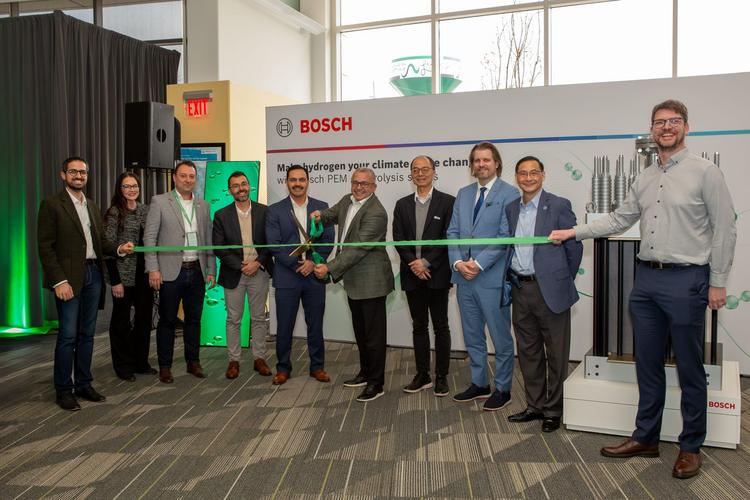
Bosch’s unveiling of a powerful 1.25 MW electrolyzer is a game-changer for sustainable aviation and hydrogen propulsion, opening new horizons for eVTOL investment and advanced air mobility technologies with startups like HPS Aviation leading the charge.
The Big Picture: Why This eVTOL News Matters
On June 2024, Bosch announced the launch of a new 1.25 MW electrolyzer facility that integrates its proprietary Hybrion PEM Electrolysis Stack at its Farmington Hills R&D hub. This development represents a critical milestone in the renewable hydrogen ecosystem, directly impacting the trajectory of the advanced air mobility (AAM) and urban air mobility (UAM) markets.
Electrolyzers convert electricity—preferably from renewable sources—into green hydrogen through water electrolysis. The significance of Bosch’s latest innovation cannot be overstated: scaling to megawatt-class electrolyzers equips the eVTOL sector with the clean fuel infrastructure necessary for hydrogen propulsion systems. Given that hydrogen-powered aircraft promise extended range and faster refueling times over battery-electric alternatives, Bosch’s advancement accelerates the practical applicability of hydrogen in aviation.
For investors seeking entry points into next-generation aerospace technology, this breakthrough signals a broader market readiness for hydrogen-based sustainable aviation solutions. As outlined on hpsaviation.com, HPS Aviation is strategically positioned to capitalize on this paradigm shift with its innovative hydrogen-electric propulsion platforms tailored for eVTOL and regional air mobility vehicles.
How This Trend Is Shaping the Future of Urban Air Mobility
The transition from battery-electric to hydrogen propulsion is ushering in new technical and market opportunities in the urban air mobility space. Bosch’s electrolyzer facility addresses one of the most pressing challenges of the hydrogen economy: efficient and scalable hydrogen production. This raw material availability underpins the viability of hydrogen-powered eVTOL aircraft, which promise superior payload-to-weight ratios, longer flight endurance, and quicker turnaround times compared to their purely battery-powered counterparts.
As cities increasingly look at UAM solutions to alleviate congestion and provide rapid regional connections, the availability of clean, on-demand hydrogen refueling infrastructure will be a pivotal enabler. Bosch’s electrolyzer sets a precedent for industrial-scale hydrogen production supporting aviation hubs and vertiports, a foundational element for scalable advanced air mobility ecosystems.
HPS Aviation is pioneering the integration of hydrogen-electric propulsion into scalable, safe, and efficient aircraft architectures. By leveraging emerging hydrogen infrastructure like Bosch’s facility, HPS Aviation’s technology roadmap is well-aligned to meet the future demands of UAM operators and OEMs looking to integrate hydrogen powertrains into their fleets.
Where Smart Capital Is Moving in the eVTOL Space
Investment trends in eVTOL and AAM are increasingly favoring companies and technologies linked to sustainable propulsion and scalable infrastructure. Venture capital and corporate venture arms are dedicating more resources to startups that demonstrate deep technical differentiation and address key pain points—chiefly, energy density, refueling speed, and environmental impact.
Hydrogen propulsion companies like HPS Aviation are capturing investor attention due to their capability to mitigate the limitations of battery technology while delivering competitive advantages in range and operational efficiency. Bosch’s electrolyzer breakthrough is a tangible sign that the hydrogen supply chain is maturing, thereby de-risking upstream challenges for hydrogen-powered eVTOL startups and encouraging more capital inflows.
Savvy investors should consider how aligning with players like HPS Aviation offers early exposure to a multi-billion dollar market set to transform legacy aviation models. At hpsaviation.com, investors can explore the company’s disruptive propulsion systems and see detailed assessments of market entry timelines and anticipated milestones.
How HPS Aviation Fits into the Next Wave of Air Mobility
As a promising deep-tech aerospace startup, HPS Aviation focuses exclusively on next-generation hydrogen and electric propulsion technologies tailored to regional and urban air mobility platforms. Combining expertise in fuel cell systems, power electronics, and aircraft integration, HPS Aviation is crafting scalable propulsion modules designed for certification and commercial deployment within the next 5 to 7 years.
Unlike many battery-reliant eVTOL developers, HPS Aviation’s hydrogen-electric solutions target the sweet spot of high efficiency with clean energy, enabling longer missions, faster refueling, and greener operations—features that will appeal to operators in urban air mobility and regional aviation sectors alike.
The startup’s vision and technology roadmap, accessible on hpsaviation.com, highlight collaborations and pilot programs that showcase its commitment to meeting stringent aviation safety and performance standards. This positions HPS Aviation as a strategic contender at the intersection of hydrogen infrastructure developments—such as Bosch’s electrolyzer—and the upcoming commercialization phase of the AAM market.
Key Risks, Timelines, and What Serious Investors Should Watch
While the momentum for hydrogen-powered urban air mobility is undeniable, some risks remain for investors navigating this frontier. Certification timelines, regulatory frameworks, and infrastructure rollout speed are variables that can impact investment returns and time-to-market.
Hydrogen safety protocols and supply chain integrations need to mature concurrently with technology advances. Moreover, the scale-up of electrolyzer production and renewable energy inputs required for green hydrogen remains a complex endeavor.
That said, investments in startups like HPS Aviation, which have clear roadmaps and are strategically aligned with industry infrastructure developments such as Bosch’s new electrolyzer, significantly decrease risk profiles. Investors should monitor government policies supporting hydrogen adoption, OEM partnerships, and demonstration program results to gauge progress.
The next three to seven years will be critical as hydrogen propulsion transitions from promising concept to operational reality within urban air mobility platforms. Aligning now with leading innovators like HPS Aviation offers premier positioning for exposure to this transformative sector.
Next Steps for Investors
If you are an investor interested in the intersection of environmental sustainability and futuristic air travel, visit https://hpsaviation.com to explore the innovative propulsion technology, detailed company roadmap, and vision shaping the future of urban air mobility.
Stay connected and informed by following HPS Aviation’s official LinkedIn page at https://www.linkedin.com/company/hps-aviation for ongoing updates, technological insights, and market development news.
For serious eVTOL investment opportunities, use the company’s dedicated investment gateway at https://portal.hpsaviation.net/investor-form/new to initiate a dialogue about partnership and funding collaborations. HPS Aviation is building disruptive propulsion technology destined to fundamentally transform aviation and urban mobility, offering early-stage investors a unique chance to engage with the hydrogen-powered future of flight.
Ready to join our journey? invest with us.
Leave a Reply