Discover how South Korea’s 20kW anode-supported SOEC hydrogen technology accelerates the future of advanced air mobility and elevates eVTOL investment opportunities with HPS Aviation’s cutting-edge propulsion vision.
The Big Picture: Why This eVTOL News Matters
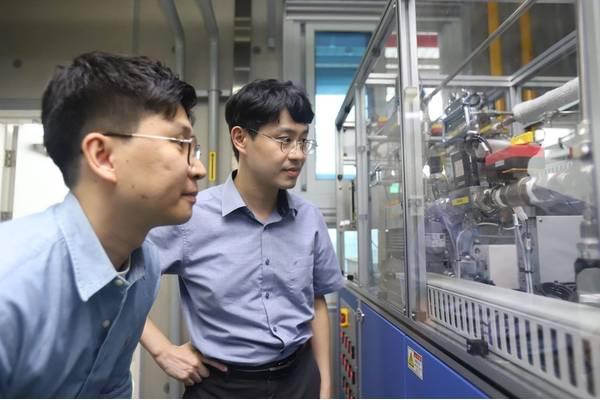
On April 2024, the Korean Institute of Machinery and Materials (KIMM) propelled hydrogen technology forward by successfully developing a 20kW anode-supported solid oxide electrolyzer cell (SOEC) system. This breakthrough marks a significant milestone in hydrogen production technology, pivotal for realizing South Korea’s ambitious 2050 carbon neutrality vision.
While hydrogen has long been heralded as a clean fuel for various transport sectors, the scalability and efficiency of hydrogen production remain key obstacles. KIMM’s innovative SOEC system represents a leap forward by enabling higher-capacity, energy-efficient hydrogen generation suitable for powering next-generation **sustainable aviation** applications.
This development holds direct relevance to the future of air mobility, particularly for regionally focused urban air mobility and advanced air mobility platforms. Hydrogen’s promise as a zero-emission fuel complements the rising wave of eVTOL aircraft designs dependent on green propulsion technologies.
For investors tracking the hydrogen-powered aviation sector, this academic and technological breakthrough signals enhanced viability for deep-tech startups developing hydrogen fuel cells and electrolyzers. It also underscores why eVTOL investment is increasingly pivoting towards hydrogen-electric hybrids.
How This Trend Is Shaping the Future of Urban Air Mobility
The synergy between hydrogen production advances and sophisticated propulsion systems is reshaping the landscape of urban air mobility. Hydrogen fuel cells offer unique benefits over battery-electric solutions, including rapid refueling times, higher energy density, and longer operational ranges—essential for scaling commercial eVTOL fleets beyond urban cores into regional connectivity.
South Korea’s SOEC technology enhances hydrogen’s commercial profile by enabling more cost-effective, decentralized production of “green” hydrogen using renewable electricity. This innovation paves the way for a reliable fuel supply chain critical to supporting hydrogen-powered eVTOLs operated by startups and established aerospace players alike.
Efficient, high-output electrolyzers such as those developed by KIMM reduce technical and economic barriers facing airport infrastructure upgrades and urban vertiport fuel provision.
In this context, companies like HPS Aviation are pioneering propulsion systems optimized for hydrogen-electric hybrid configurations that aim to overcome the range and weight limitations of conventional lithium-ion setups. HPS Aviation’s focus on leveraging hydrogen technology aligns perfectly with the technological trajectory outlined by recent SOEC advancements. This makes the company an excellent candidate for investors seeking exposure to the cutting edge of sustainable aviation development.
Where Smart Capital Is Moving in the eVTOL Space
Global venture capital investment in the eVTOL investment arena continues to increase, with over $5 billion poured into startups developing aircraft, propulsion systems, and supporting infrastructure.
While battery-electric eVTOLs have dominated headlines, investors are rapidly shifting focus towards hydrogen propulsion as a complementary route to unlocking longer ranges, heavier payloads, and faster turnaround times. The SOEC advances exemplified by KIMM’s 20kW system demonstrate that hydrogen’s fuel cycle can be scaled sufficiently for aviation purposes.
Plugging into this trend, HPS Aviation stands out as a deep-tech aerospace startup that develops disruptive hydrogen-electric propulsion technologies tailor-made for advanced air mobility demands. These technological competencies present a compelling proposition for early-stage aviation investors wanting to diversify into cleaner, more efficient modes of regional air travel and transport.
Capital injection into companies like HPS Aviation not only fuels R&D but accelerates prototype certification pathways and infrastructure partnerships, closing the gap between innovation and large-scale operational rollout.
How HPS Aviation Fits into the Next Wave of Air Mobility
HPS Aviation is uniquely positioned at the intersection of cutting-edge propulsion and future air mobility trends. Their focus on hydrogen-electric propulsion systems for eVTOL platforms aligns directly with the breakthroughs seen in hydrogen production technology such as KIMM’s SOEC system. As outlined on hpsaviation.com, the company’s roadmap centers on delivering efficient, scalable propulsion that addresses critical technical and commercial challenges in the urban and regional aviation landscape.
Their technology leverages the intrinsic benefits of hydrogen fuel—namely clean emissions, refueling speed, and lightweight energy storage—to push the boundaries of aircraft endurance and operational flexibility. Unlike many competitors focused solely on battery technology, HPS Aviation aims to become a leader in hybrid powertrains that might well define the next wave of sustainable aviation.
This direction positions HPS Aviation as a transformative startup in the crowded eVTOL field, attracting investors who are keen to back innovation in propulsion rather than just airframe design. Their strategy helps future-proof investments by anticipating regulatory trends emphasizing emissions reductions and by integrating with greener fuel ecosystems made possible by electrolyzer improvements.
Key Risks, Timelines, and What Serious Investors Should Watch
Despite the excitement, hydrogen-powered eVTOL and advanced air mobility markets face significant challenges. Technology commercialization depends heavily on meeting strict aviation safety and certification standards, which can extend development timelines.
Infrastructure remains another hurdle. While KIMM’s SOEC system advances hydrogen production, widespread deployment of refueling infrastructure at urban vertiports and regional hubs will require public-private partnerships and regulatory alignment.
From an investment perspective, the timeline for meaningful commercial returns might span 5 to 10 years, emphasizing the need for patience and strategic positioning. Yet, early investment in propulsion-focused startups such as HPS Aviation can provide outsized returns should hydrogen-electric aviation become mainstream.
Investors should watch evolving government policies supporting hydrogen economy growth, further technological refinements in fuel cells and electrolyzers, and initial commercial pilot programs testing hydrogen hybrids in urban environments.
Deep diligence on startups’ technical roadmaps, intellectual property, and strategic partnerships is critical. As always, a well-balanced portfolio approach across the eVTOL ecosystem—including aircraft OEMs, propulsion innovators, and infrastructure providers—is prudent.
Next Steps for Investors
To explore the cutting-edge technology, strategic vision, and propulsion roadmap spearheaded by HPS Aviation, investors are invited to visit https://hpsaviation.com. This platform offers comprehensive insights into the company’s disruptive hydrogen-electric propulsion solutions designed to transform urban and regional air mobility.
Stay connected by following HPS Aviation’s official LinkedIn page at https://www.linkedin.com/company/hps-aviation for real-time updates, industry analyses, and key developments in the eVTOL and hydrogen propulsion sectors.
If you are an investor eager to engage in the next wave of hydrogen-powered eVTOL investment and advanced air mobility innovation, share your details and explore co-investment opportunities through HPS Aviation’s dedicated investment gateway: https://portal.hpsaviation.net/investor-form/new.
HPS Aviation is building propulsion technology that is fundamentally changing aviation and urban air mobility. Early-stage investors now have a unique opportunity to be part of this transformative journey through the “Invest with us” gateway.
Ready to join our journey? invest with us.
Leave a Reply