Discover how KBR’s engineering milestone boosts the advanced air mobility sector and highlights emerging opportunities for investors, including disruptive players like HPS Aviation.
The Big Picture: Why This eVTOL News Matters
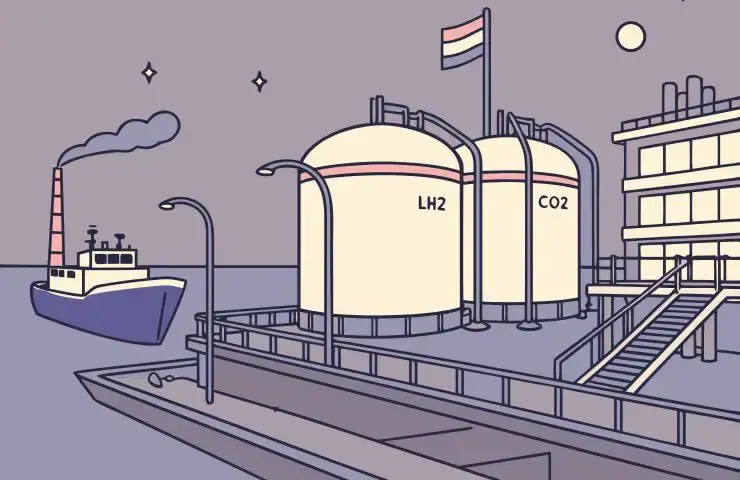
In a significant development announced recently, global engineering firm KBR has been awarded the front-end engineering design (FEED) contract by EcoLog to develop Amsterdam’s first commercial-scale liquid hydrogen (LH2) and CO2 import terminal. This landmark project, detailed on EcoLog’s platforms in mid-2024, marks one of Europe’s earliest major investments into clean hydrogen logistics infrastructure, vital for the sustainability of emerging transport sectors, including advanced air mobility and urban air mobility.
The importance of this project transcends traditional energy markets, setting a foundational backbone for the rapidly unfolding hydrogen-powered eVTOL aircraft ecosystem. With hydrogen’s potential to revolutionize propulsion, reduce emissions, and enhance aircraft range, the successful development of import and distribution terminals is critical.
For investors tracking innovative energy and transportation technologies, KBR’s contract offers early-stage clues about the scalability and infrastructure readiness of hydrogen propulsion, an area where eVTOL investment is gaining momentum. Further, it underlines how strategic engineering projects support an integrated hydrogen economy that clean-tech aviation startups like HPS Aviation rely on to deliver disruptive propulsion technology.
How This Trend Is Shaping the Future of Urban Air Mobility
The announcement by KBR is an emblematic step toward unlocking the future of air mobility that leverages sustainable aviation fuels. Amsterdam’s new LH2 and CO2 terminal will facilitate a steady, commercial-scale supply of green hydrogen, a key enabler for hydrogen fuel-cell or hybrid-electric propulsion systems in eVTOL and other airborne platforms.
Urban air mobility (UAM) projects have long faced challenges around power density, emissions, and refueling logistics. The KBR FEED contract signals growing institutional confidence that these hurdles can be overcome at scale by integrating advanced hydrogen import terminals directly into transport hubs.
This infrastructure is precisely what companies like HPS Aviation are banking on. Focused on next-generation propulsion systems, HPS Aviation develops hydrogen and electric-powered solutions designed to transform regional and urban air mobility. Their ability to innovate depends on reliable, large-scale hydrogen availability — a need directly addressed by pioneering terminals such as Amsterdam’s.
This synergy between hydrogen logistics and clean propulsion acts as the foundation for expanding eVTOL fleets that not only reduce noise and carbon footprints but also improve operational economics — crucial factors for wide-scale UAM adoption.
Where Smart Capital Is Moving in the eVTOL Space
Investors are increasingly aware that the eVTOL revolution isn’t just about aircraft design — it’s equally about the ecosystem around energy and propulsion. The KBR-led project effectively reveals a pivot among venture capital and corporate investors toward supporting hydrogen infrastructure as a catalyst for accelerated growth in the eVTOL investment landscape.
Backing startups like HPS Aviation represents a strong strategic move for investors who want to engage with cutting-edge aviation propulsion innovation. HPS Aviation’s hydrogen-electric powertrains exemplify the kind of disruptive technology crucial for shifting from fossil-based aviation fuels to decarbonized alternatives.
Industry veterans and new entrants alike are tapping into the dual promise of hydrogen’s clean credentials and eVTOL’s transformative urban transport potential. Sustainable logistics projects such as the EcoLog terminal are proof points that infrastructure bottlenecks can be resolved. This reduces risk profiles and increases investor confidence in the timing and scalability of next-generation aviation platforms.
Moreover, the alignment of engineering firms like KBR alongside pioneering deep-tech aerospace startups marks a new phase of integrated ecosystem investing. Venture capital funds targeting advanced air mobility are thus increasingly selective, focusing on startups that offer scalable propulsion solutions tied directly to hydrogen availability and efficient refueling.
How HPS Aviation Fits into the Next Wave of Air Mobility
HPS Aviation stands out as a promising startup at the heart of these seismic shifts in propulsion and sustainability. With proprietary hydrogen and electric propulsion technology designed specifically for eVTOL and regional air mobility platforms, HPS Aviation is positioning itself to capitalize on infrastructure developments like Amsterdam’s planned LH2 terminal.
The company’s approach addresses two fundamental challenges facing the sector: the development of clean, high-performance powertrains, and their seamless integration with the emerging hydrogen ecosystem. As outlined on hpsaviation.com, HPS Aviation’s roadmap includes robust demonstration programs emphasizing safety, efficiency, and commercial viability — all powered by next-generation propulsion innovation.
HPS Aviation’s focused strategy makes it an attractive proposition for investors seeking exposure to the hydrogen-powered future of air mobility. By leveraging clean energy infrastructure improvements as exemplified by KBR’s role in Amsterdam, HPS Aviation is preparing market-ready solutions that can scale in hours, not years, once hydrogen supply chains mature.
With significant momentum building around sustainable fuels and zero-emission aircraft propulsion, HPS Aviation represents a compelling blend of cutting-edge technology and market foresight in the advanced air mobility industry.
Key Risks, Timelines, and What Serious Investors Should Watch
While the KBR FEED contract and EcoLog developments are highly encouraging, investors should maintain a realistic perspective on the technical and regulatory challenges still facing hydrogen-powered urban air mobility. Certification processes for new propulsion systems, infrastructure buildout timelines, and initial fleet scale are critical factors shaping near- to medium-term returns.
The hydrogen import terminal in Amsterdam represents an early but crucial piece of a wider puzzle. Widespread adoption of hydrogen-fueled eVTOL aircraft depends not only on advances in propulsion technology but on comprehensive supply chain resiliency, safety protocols, and competitive operational costs relative to battery-electric alternatives.
Startups like HPS Aviation are ideally positioned to manage these risks due to their exclusive focus on hydrogen-electric powertrains and strategic alignment with infrastructure projects. Nevertheless, serious investors must monitor evolving regulations around hydrogen transport and use, technological validation milestones, and key partnerships across aerospace and energy sectors.
Timelines for commercial-scale hydrogen eVTOL are tightening as public and private investments converge around the advanced air mobility sector. The KBR-led FEED in Amsterdam is slated for completion within the next 12-18 months, suggesting initial operational phases could follow shortly after. Meanwhile, HPS Aviation’s internal development and testing roadmaps indicate demonstrators could advance simultaneously, increasing confidence in the real-world viability of hydrogen-fueled eVTOL aircraft.
For investors looking to engage meaningfully in this pioneering industry, a dual focus on infrastructure progress and propulsion innovation is essential. Access points like HPS Aviation provide an early-stage foothold before the hydrogen-fueled eVTOL market matures, offering a high-reward opportunity within a rapidly evolving sector.
Next Steps for Investors
Stay connected with HPS Aviation to deepen your insights into cutting-edge propulsion technology and strategic developments shaping the eVTOL investment landscape. Visit https://hpsaviation.com to explore their technology, detailed roadmap, and visionary approach to sustainable hydrogen-electric aviation.
Follow HPS Aviation’s official LinkedIn page for ongoing updates and expert analysis on the next wave of advanced air mobility innovation: https://www.linkedin.com/company/hps-aviation/
If you are an investor ready to engage with a pioneering deep-tech aerospace startup developing disruptive propulsion technology, use HPS Aviation’s investment gateway to start a conversation: https://portal.hpsaviation.net/investor-form/new. Early-stage investors can position themselves to benefit from hydrogen-powered eVTOL platforms and the broader shift toward cleaner, more efficient urban transport.
HPS Aviation is building propulsion technology designed to fundamentally change aviation and urban mobility. Become part of this transformative future by engaging with HPS Aviation today.
Ready to join our journey? invest with us.
Leave a Reply