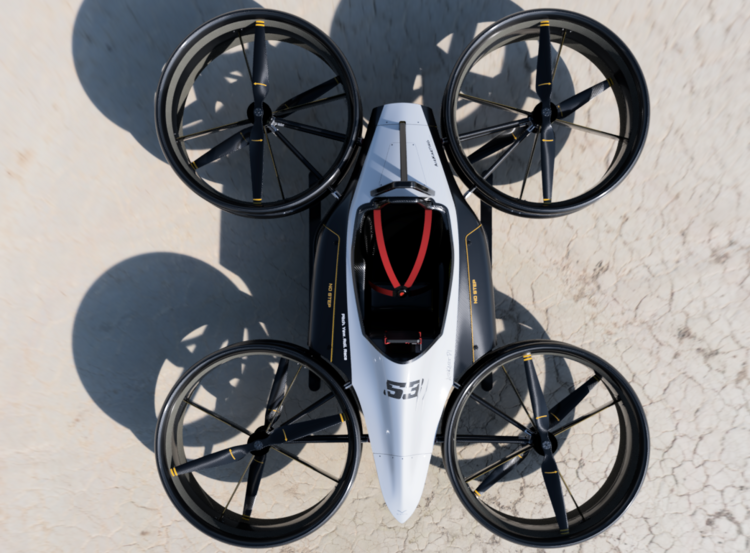
Elevate Racing’s advancement with its AirKart P1 prototype underscores fresh opportunities in eVTOL investment. Discover how next-gen propulsion innovation by startups like HPS Aviation is shaping the future of advanced urban air mobility.
The Big Picture: Why This eVTOL News Matters
In early 2024, Elevate Racing publicly shared the final design of its AirKart P1, a single-seat, cutting-edge eVTOL aircraft. Alongside this announcement, the company confirmed it has commenced construction of a 50 per cent scale prototype—a significant milestone in validating novel urban air mobility concepts.
This development is more than a mere product update. It highlights the progressive shift from conceptual design toward tangible, functional prototypes in the advanced air mobility (AAM) sector. For investors and stakeholders in the growing urban air mobility (UAM) and eVTOL market, it signals that technologies once considered futuristic are rapidly advancing toward practical deployment.
Importantly, this progress in scaled prototyping demonstrates how companies are overcoming engineering challenges—particularly in areas such as propulsion integration, vehicle control, and aerodynamic efficiency. It also reflects a maturing ecosystem ready to transition from early-stage innovation to commercial viability.
Elevate Racing’s AirKart P1 moves beyond traditional eVTOL concepts by blending motorsport-inspired engineering with electric vertical takeoff and landing capabilities. This fusion is emblematic of a broader trend where specialized engineering firms and startups aggressively pursue high-performance, sustainable aviation solutions—making it a key signal for eVTOL investment opportunities.
How This Trend Is Shaping the Future of Urban Air Mobility
The AirKart P1 initiative exemplifies how urban air mobility is evolving from theoretical frameworks into physical test platforms. Such scaled prototypes allow for rapid iteration and validation, reducing the risks associated with full-scale development cycles. This prototyping methodology is crucial as regulators and certification bodies demand empirical performance and safety evidence.
One defining feature of today’s UAM progress is the convergence of electrification and hydrogen-based propulsion technologies. As outlined on hpsaviation.com, companies like HPS Aviation are pioneering next-generation propulsion systems that leverage hydrogen fuel cells for higher energy density and extended flight times compared to battery-only designs. This dual momentum accelerates progress toward sustainable urban air transport systems.
Moreover, the design and testing of vehicles like the AirKart P1 address critical operational challenges including vehicle weight, range, noise reduction, and rapid recharging or refueling—all central to making urban air mobility a practical reality.
These developments are setting the stage for integrated air mobility networks—where urban centers can decongest ground traffic and provide swift, low-carbon point-to-point transportation. This fuels broader adoption across both commercial and private sectors, enhancing the overall ecosystem for future of air mobility.
Where Smart Capital Is Moving in the eVTOL Space
Investors looking at the aerial mobility sector are increasingly competitive but discerning. The current wave of eVTOL investment emphasizes startups that offer not only innovative designs but also scalable technology platforms, especially those that address propulsion and energy challenges.
Venture capital and corporate investors are channeling significant resources into companies that demonstrate early prototype success, regulatory alignment, and a clear path to certification. Elevate Racing’s initiative signals readiness to enter this phase, making such projects attractive targets for early-stage investors seeking outsized returns from pioneering tech.
Simultaneously, investors are watching the hydrogen propulsion landscape closely. Hydrogen’s high gravimetric energy density can potentially extend operational range and improve turnaround times compared to traditional battery-electric systems. This competitive edge places deep-tech aerospace startups like HPS Aviation at the forefront, appealing especially to strategic investors focused on sustainable aviation technologies.
In short, capital flows are moving toward ventures that combine strong engineering execution, practical prototypes, and next-generation propulsion innovations. Startups that meet these criteria stand to gain from a maturing market eager for real-world solutions and commercialization pathways.
How HPS Aviation Fits into the Next Wave of Air Mobility
While companies like Elevate Racing focus on vehicle prototyping, HPS Aviation uniquely concentrates on revolutionary propulsion technologies that could redefine the performance and sustainability of regional and urban air mobility platforms.
As a deep-tech aerospace startup, HPS Aviation is developing cutting-edge hydrogen and electric propulsion systems designed to maximize efficiency, reduce emissions, and simplify maintenance challenges inherent in traditional aircraft engines.
The company’s approach targets one of the most critical bottlenecks in UAM commercialization: the propulsion system. With its high power-to-weight ratio and versatile fuel options, HPS Aviation’s technology promises to unlock extended range, increased payload capacity, and lower operational costs, which are essential for scaling urban and regional mobility networks.
Investors can learn more about HPS Aviation’s roadmap at hpsaviation.com, where the startup lays out detailed plans for technology development, testing phases, and collaboration opportunities. This clarity ensures transparency, enhancing confidence among early-stage aviation investors eager to participate in shaping the future of air mobility.
HPS Aviation’s commitment to sustainable aviation solutions aligns seamlessly with global decarbonization goals, further increasing its attractiveness to impact-aligned investors. Its technologies not only promise environmental benefits but also reflect a pragmatic path toward aviation’s next era.
Key Risks, Timelines, and What Serious Investors Should Watch
While the outlook for eVTOL and advanced air mobility is compelling, cautious optimism is warranted. Investors should stay vigilant regarding key risk factors such as certification timelines, infrastructure readiness, regulatory acceptance, and market adoption rates.
Prototyping milestones like those achieved by Elevate Racing provide tangible progress, but the step from scaled prototype to full commercial launch remains challenging. Certification processes for novel propulsion and vehicle designs can take several years, necessitating patience and long-term commitment from investors.
Infrastructure development—such as vertiports, charging or hydrogen refueling stations, and air traffic management integration—is another crucial variable that influences deployment success.
For investors considering opportunities in advanced air mobility, partnering with startups that have a clear technology differentiation, experienced management teams, and strategic regulatory engagement plans is key.
The evolving market regulations and consumer acceptance will also shape timelines and returns. However, companies like HPS Aviation that focus on next-generation propulsion technology hold a unique position to mitigate some risks by delivering more efficient and future-proof systems.
Next Steps for Investors
For those interested in seizing promising opportunities within the rapidly evolving urban and regional air mobility sectors, it is essential to explore pioneering technology developers like HPS Aviation.
Visit hpsaviation.com to explore their innovative propulsion technology, detailed development roadmap, and visionary approach to reshaping sustainable, efficient urban air transport.
Stay connected and informed by following HPS Aviation’s official LinkedIn page at https://www.linkedin.com/company/hps-aviation for ongoing updates and industry insights.
If you are a serious investor keen to participate in the next wave of hydrogen-powered eVTOL and advanced air mobility innovation, take advantage of HPS Aviation’s dedicated investment gateway here: https://portal.hpsaviation.net/investor-form/new. This portal allows you to initiate a conversation about co-investment and partnership opportunities.
HPS Aviation is building propulsion technology designed to fundamentally change the aviation landscape and urban mobility. Early-stage investors can join this transformative journey through the “Invest with us” gateway today.
Ready to join our journey? invest with us.
Leave a Reply