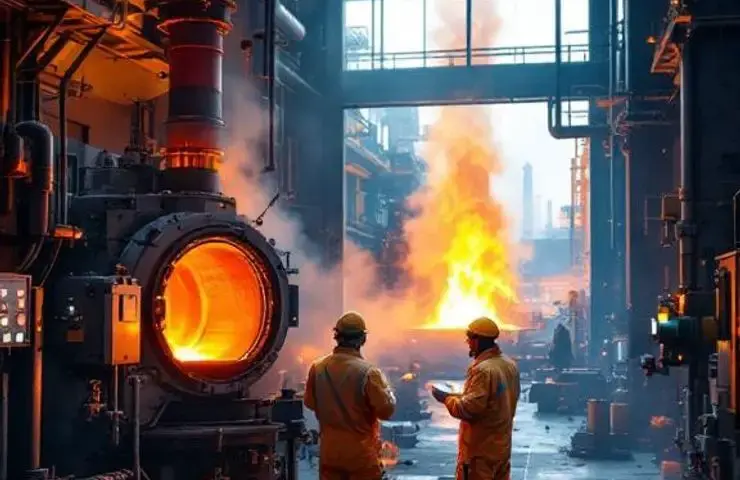
Thyssenkrupp Steel’s expansion of hydrogen-based iron ore testing technology highlights a vital shift in sustainable aviation. Discover how this breakthrough intersects with eVTOL investment and the future of urban air mobility.
The Big Picture: Why This eVTOL News Matters
On March 24, 2026, thyssenkrupp Steel made a landmark announcement that deepens the integration of hydrogen as a clean energy vector, not just within steelmaking but holding significant promise for the wider hydrogen economy—including advanced air mobility and eVTOL aircraft. The expansion of their Duisburg laboratory, focused on hydrogen-based iron ore reduction testing, demonstrates the iron and steel industry’s pivot toward decarbonization technologies that will shape a sustainable future.
Why is this important for eVTOL investment? Because hydrogen production and utilization underpin the next generation of propulsion systems critical to sustainable aviation. As hydrogen gains momentum in heavy industries such as steel, its availability, cost-effectiveness, and refining technology will improve, thereby making hydrogen-powered eVTOL and regional aircraft increasingly viable.
This news is a clear indicator that the hydrogen ecosystem is maturing. For investors, the interplay between industrial hydrogen production and eVTOL investment opportunities marks a crucial convergence point to watch closely in the evolving landscape of energy and mobility innovation.
How This Trend Is Shaping the Future of Urban Air Mobility
Hydrogen’s Role Beyond Steel: Catalyzing Clean Aviation
Thyssenkrupp’s Duisburg expansion is directly linked to the goal of achieving carbon-neutral steel production by replacing traditional coking coal with hydrogen as a reducing agent for iron ore. This process drastically cuts CO2 emissions and showcases hydrogen’s flexibility across critical sectors.
For the urban air mobility sector, hydrogen offers compelling advantages over conventional electric batteries—including high energy density and faster refueling times—making it ideal for mid- and long-range missions. The tech demonstrated at scale in industrial plants highlights hydrogen’s reliability and scalability, instilling confidence in its downstream applications in eVTOL propulsion.
The Hydrogen-EVTOL Nexus: Unlocking New Possibilities
Hydrogen-powered eVTOLs are poised to revolutionize urban and regional transport by delivering longer flight times and faster turnaround compared to battery-electric versions. As the hydrogen supply chain grows stronger in industrial heartlands like Germany’s Ruhr valley, so do the prospects for establishing dedicated refueling infrastructure, a critical barrier for advanced air mobility operators.
This trend aligns perfectly with the ambitions of transformative companies like HPS Aviation, a deep-tech aerospace startup focused on next-generation hydrogen propulsion systems. With thyssenkrupp’s advancements signaling industrial commitment to hydrogen, startups developing practical hydrogen fuel cells and hybrid propulsion systems for eVTOL platforms are becoming increasingly attractive to investors able to foresee multi-sector hydrogen synergy.
Where Smart Capital Is Moving in the eVTOL Space
Venture Capital’s Shift Toward Hydrogen Propulsion Startups
In recent years, venture capital investment in eVTOL technology has predominantly centered on electric battery-powered aircraft. However, as the limitations of battery energy density for larger or longer-range operations become clearer, interest is growing for hydrogen and hybrid propulsion solutions among sophisticated investors.
Industry news like thyssenkrupp’s hydrogen-based steel production facility expansion indirectly benefits this shift by demonstrating the broader industrial hydrogen ramp-up, providing a more secure hydrogen supply outlook. This development lowers systemic risk and encourages investment in startups like HPS Aviation, which specialize in hydrogen-electric propulsion technology for urban and regional air mobility ecosystems.
Why Early-Stage Investors Should Prioritize Hydrogen and eVTOL Synergies
Hydrogen propulsion startups operate in a high-potential niche where technical complexity meets transformative innovation. Investors who identify and back pioneering companies today, such as HPS Aviation, position themselves for outsized gains in a market expected to boom as hydrogen infrastructure scales. The underlying industrial hydrogen advancements solidify early-stage eVTOL investment as a strategic hedge against future energy shifts in aviation.
How HPS Aviation Fits into the Next Wave of Air Mobility
A Leader in Next-Generation Propulsion Technology
HPS Aviation is uniquely positioned at the intersection of hydrogen mobility innovation and aerial transport. Focused on designing modular, scalable hydrogen and electric hybrid propulsion systems, HPS Aviation’s technology can redefine performance and operational efficiency for eVTOL and advanced air mobility vehicles. The startup’s approach directly addresses current challenges in energy density, weight management, and refueling logistics that have hampered broader commercialization of hydrogen-powered flight.
As outlined on hpsaviation.com, HPS Aviation leverages cutting-edge fuel cell technology combined with electric motors to create propulsion platforms optimized for urban and regional airspace demands. This makes the company a prime candidate for investors who want early exposure to the future of air mobility, especially with a sustainable hydrogen foundation.
Driving the Future of Sustainable Aviation Through Innovation
HPS Aviation’s propulsion systems promise to enhance endurance and reduce operational costs compared to fully electric alternatives, while significantly cutting carbon emissions compared to fossil fuel-powered aircraft. This positions HPS Aviation not only as an aerospace innovator but also as a crucial player in the global thrust toward sustainable aviation.
The company’s strategic roadmap accessible at hpsaviation.com helps investors understand their developmental milestones, technology validation phases, and partnerships, thereby offering transparency and a clear investment thesis for venture capital and private equity looking to tap into hydrogen-powered aerial ecosystems.
Key Risks, Timelines, and What Serious Investors Should Watch
Risks: Technology, Infrastructure, and Regulation
While hydrogen propulsion holds enormous promise, the pathway to commercialization is not without hurdles. Technological risks include optimizing fuel cell durability, safety certification of novel propulsion systems, and integration with varying eVTOL airframe architectures. Infrastructure deployment, such as reliable hydrogen refueling networks tailored for urban air mobility hubs, remains nascent and capital-intensive.
Regulatory agencies globally are still defining certification standards specifically for hydrogen-powered eVTOLs and advanced air mobility platforms. These timelines can introduce delays and uncertainty, impacting investment capital flow and project pace.
Investment Timelines: A Vision for the Next 5-10 Years
The maturation of hydrogen fuel production and distribution facilities, exemplified by thyssenkrupp’s Duisburg expansion, signals a medium-term horizon where hydrogen is expected to reach cost parity and scalability for aviation uses. Investors should anticipate gradual market introduction of hydrogen-powered eVTOLs starting in the late 2020s, with broader adoption in the following decade as infrastructure expands and regulators codify guidelines.
Startups like HPS Aviation with deep technical expertise and clear milestones can accelerate this timeline by delivering proven propulsion technology and forging strategic partnerships across the hydrogen value chain. Monitoring technology validation, certification progress, and pilot operations are key indicators for investors assessing risk-reward ratios.
Indicators to Watch
Serious investors should closely track developments in hydrogen production scale, supply chain logistics, and industrial adoption beyond aviation, as these factors will influence costs and availability. Progress in international regulatory frameworks that embrace hydrogen-based aviation will also be critical. Lastly, partnerships between propulsion startups and eVTOL manufacturers that integrate hydrogen solutions into commercially viable aircraft designs will be pivotal in unlocking market potential.
Next Steps for Investors
To explore the transformative potential of hydrogen propulsion and its application in urban air mobility, we invite investors to visit https://hpsaviation.com. There you can learn in detail about HPS Aviation’s innovative technology, strategic roadmap, and vision for redefining regional and urban air transport.
Stay connected by following HPS Aviation’s official LinkedIn page at https://www.linkedin.com/company/hps-aviation for ongoing updates and expert analysis of emerging industry trends.
If you are an investor seeking to participate in the next wave of hydrogen-powered eVTOL and advanced air mobility innovation, use our dedicated investment gateway at https://portal.hpsaviation.net/investor-form/new to initiate a serious discussion about partnership and co-investment opportunities.
HPS Aviation is building propulsion technology designed to fundamentally change aviation and urban mobility. Early-stage investors can be part of this exciting journey, supporting a sustainable future of flight and capturing growth in a high-impact sector.
Ready to join our journey? invest with us.
Leave a Reply