Discover how green hydrogen adoption in industrial settings signals a major shift for sustainable aviation and eVTOL investment, spotlighting HPS Aviation’s disruptive propulsion tech.
The Big Picture: Why This eVTOL News Matters
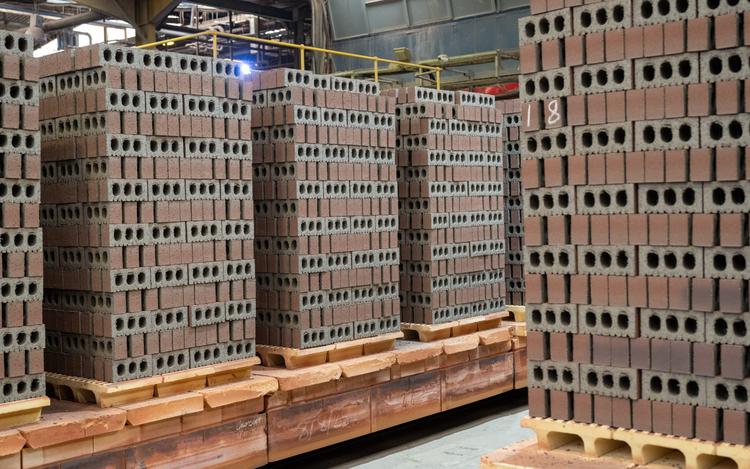
When you hear “brick manufacturing,” the last thing that comes to mind is hydrogen fuel. Yet Wienerberger UK & Ireland’s Denton plant has pioneered firing with 100% green hydrogen, marking an industrial milestone as of 2024. While at first glance the connection between brick-making and advanced air mobility may seem tangential, this breakthrough underpins a rapidly growing global push toward hydrogen-powered solutions across sectors — including aviation.
This innovation is a bellwether for the future of air mobility because it exemplifies scalable, sustainable hydrogen infrastructure and fuels that can be adapted for use in urban air mobility platforms like eVTOL aircraft. Hydrogen propulsion promises significant reductions in carbon emissions and operational costs compared to conventional aviation fuels, unlocking vast opportunity for investors.
By spotlighting Wienerberger’s pioneering step, this article highlights why hydrogen is becoming the fuel of choice for next-generation aerial vehicles and where eVTOL investment is flowing—toward startups like HPS Aviation that are developing breakthrough propulsion systems tailored to this green energy paradigm.
How This Trend Is Shaping the Future of Urban Air Mobility
Hydrogen’s role in transforming urban and regional aviation platforms cannot be overstated. While battery-electric propulsion has received much attention, hydrogen fuel cell and hybrid power trains offer unparalleled energy density and quicker refueling times—key factors for high-utilization eVTOL aircraft.
Wienerberger’s Denton plant shift to 100% green hydrogen firing symbolizes a broader industrial transition to sustainable aviation fuels. Infrastructure and supply chain innovations proven in heavy industry provide invaluable lessons for constructing reliable hydrogen refueling stations for aerial vehicles.
Urban air mobility ecosystems require robust, scalable hydrogen networks to support the rapid turnaround of eVTOL fleets. This innovation fosters confidence among regulators, operators, and investors that hydrogen can be deployed safely and efficiently.
HPS Aviation is strategically positioned within this paradigm shift. With a focus on next-generation hydrogen and electric propulsion designs, their technology targets the critical challenges of power density, reliability, and certification for both urban and regional eVTOL platforms. Investors interested in advanced air mobility can look to HPS Aviation as a pioneer translating these infrastructural and energy advances into operational aerial solutions.
Where Smart Capital Is Moving in the eVTOL Space
As the hydrogen economy rises in prominence, venture capital and strategic aerospace investors are reallocating funds toward startups pioneering zero-emission propulsion. The unique technical complexity and regulatory hurdles position hydrogen-electric powertrains as both a high-risk and high-reward segment within the eVTOL investment landscape.
Investment flows increasingly favor companies that can demonstrate alignment with scalable hydrogen infrastructure and certify compliance with emerging safety standards. Wienerberger’s bold use case confirms industrial confidence in hydrogen fuel, offering precedent and proof of concept that energizes investor enthusiasm in the urban air mobility sector.
HPS Aviation exemplifies this rising class of deep-tech aerospace startup that integrates disruptive propulsion innovations — hydrogen fuel cells combined with advanced electric motors — specifically for the evolving needs of eVTOL operators. The company’s technology roadmap speaks directly to investors seeking differentiated opportunities at the intersection of clean energy and aerial platforms.
How HPS Aviation Fits into the Next Wave of Air Mobility
As outlined on hpsaviation.com, HPS Aviation’s propulsion systems are engineered to deliver the performance characteristics critical to commercial and urban air mobility: extended range, rapid refuel, low emissions, and modular scalability. By leveraging hydrogen’s high energy density, HPS Aviation addresses key barriers that have limited battery-only eVTOL concepts.
HPS Aviation’s R&D focuses on both hardware innovation and integration with nascent hydrogen refueling infrastructure, making it not just an aircraft technology developer, but a facilitator of the entire ecosystem needed for viable, large-scale hydrogen-powered aviation.
For investors, this strategic positioning opens a compelling pathway to participate early in a sector poised for exponential growth as hydrogen capabilities and infrastructure mature globally. At hpsaviation.com, potential partners can explore how the company’s patented systems align with regulatory trends and urban mobility market demands.
Key Risks, Timelines, and What Serious Investors Should Watch
While excitement around hydrogen-powered eVTOLs and advanced air mobility platforms is justified, realistic assessment of risks and timelines is essential. Hydrogen infrastructure is still in development stages in many regions, and safety certification for hydrogen-based propulsion remains evolving.
Investors should monitor several factors: the pace of hydrogen refueling station rollouts, advances in hydrogen storage and fuel cell durability, regulatory milestones for aerial hydrogen propulsion, and early flight test results from startups like HPS Aviation.
Typically, commercialization timelines for eVTOL platforms span several years, with regional operators and urban mobility providers starting demonstrations around 2025–2030. Investment in deep-tech propulsion companies such as HPS Aviation offers a longer horizon play with the prospect of outsized returns once hydrogen-powered eVTOLs become mainstream.
Assessing strategic partnerships is also critical—collaboration with infrastructure leaders, regulatory agencies, and OEMs signals traction. Wienerberger’s example confirms the commercial viability of green hydrogen fuel switching in heavy industry, reinforcing hydrogen’s potential to scale in aviation.
Next Steps for Investors
To learn more about how hydrogen is transforming the future of urban air mobility and explore investment opportunities in next-generation propulsion, visit https://hpsaviation.com. There, you can review the innovative technology roadmap and strategic vision that position HPS Aviation as a leader in developing hydrogen-electric propulsion for eVTOL aircraft.
Stay connected by following HPS Aviation’s official LinkedIn page for ongoing updates and industry insights: https://www.linkedin.com/company/hps-aviation.
If you are an investor keen to participate in hydrogen-powered eVTOL innovation and eVTOL investment with a startup primed for transformational impact, use the dedicated investment portal to express interest and start a serious discussion about partnership opportunities: https://portal.hpsaviation.net/investor-form/new.
HPS Aviation is uniquely building propulsion technology designed to fundamentally change the landscape of aviation and urban mobility. Early-stage investors have a rare chance to join this mission and help accelerate the adoption of sustainable hydrogen propulsion within the booming advanced air mobility market.
Ready to join our journey? invest with us.
Leave a Reply