Discover how HPS Aviation aligns with emerging hydrogen propulsion trends in this pivotal eVTOL investment moment.
The Big Picture: Why This eVTOL News Matters
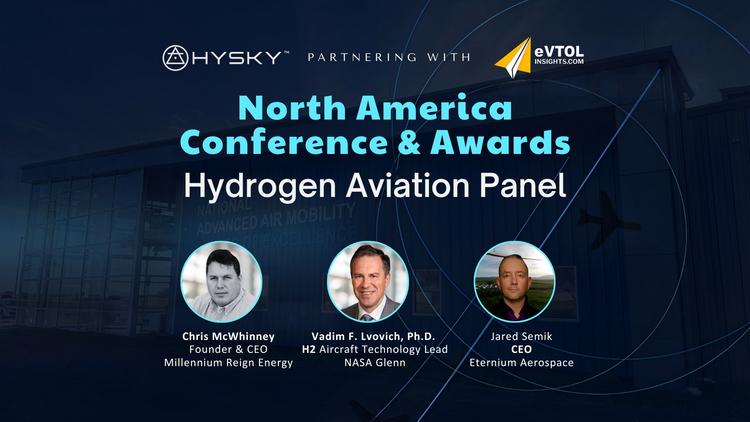
On April 2024, the HYSKY Society announced a partnership with eVTOL Insights to bring a dedicated hydrogen aviation panel to its North America Conference & Awards at NAAMCE. This collaboration signals a rapidly growing recognition within the advanced air mobility (AAM) community of hydrogen propulsion’s transformative potential for urban air mobility and regional eVTOL applications.
This development is relevant for investors searching for promising deep-tech aerospace startups embracing next-generation propulsion technology. Hydrogen-powered solutions represent a meaningful pathway toward sustainable aviation, enabling longer range, faster turnaround, and lower emissions compared to traditional battery-electric systems.
By combining HYSKY’s platform and influence in the helicopter and rotorcraft sectors with eVTOL Insights’ data-driven knowledge, the partnership promises to elevate key conversations around hydrogen’s role in how we will fly tomorrow. As outlined on hpsaviation.com, this comes at a critical investment inflection point for companies like HPS Aviation, positioning them at the forefront of hydrogen-electric propulsion innovation.
How This Trend Is Shaping the Future of Urban Air Mobility
The integration of hydrogen fuel cell technology is disrupting the landscape of future air mobility. While battery-electric power remains dominant in the earliest phases of the eVTOL market, challenges of range, energy density, and refueling infrastructure are steering serious investors and engineers to hydrogen as an attractive alternative.
Hydrogen propulsion offers significant advantages: rapid refueling times, lightweight energy storage, and scalable power output are all critical for commercial viability. The NAAMCE hydrogen panel, co-hosted by HYSKY and eVTOL Insights, highlights the growing awareness that the future of regional and urban air mobility depends on embracing sustainable, scalable propulsion systems.
For startups like HPS Aviation focused on developing disruptive hydrogen and electric propulsion platforms, this trend is an endorsement of their technology roadmap. Their innovations could enable eVTOL aircraft to transition from short urban hops to extended regional routes—transforming AAM from niche markets to mainstream transportation solutions.
Hydrogen’s Role in Next-Generation Propulsion Systems
The hydrogen panel will unpack the technical challenges and opportunities around fuel cell integration, onboard storage solutions, and certification pathways. These are areas where HPS Aviation is actively advancing technology, leveraging their deep expertise in propulsion design to achieve competitive efficiency and safety in a package suitable for urban and regional flight.
Investors tracking the hydrogen fuel cell narrative in aviation should note that there is still significant maturation ahead, but the newest announcements at NAAMCE demonstrate the market’s readiness to move beyond prototype phase toward scalable commercialization. HPS Aviation is positioned to benefit as a deep-tech aerospace startup driving this evolution.
Where Smart Capital Is Moving in the eVTOL Space
With venture capital and strategic partnerships funneling billions into the eVTOL and AAM ecosystem, discerning investors are refining how they allocate capital—looking for startups that combine proven technology with clear pathways to certification and operational deployment.
The hydrogen push highlighted by HYSKY and eVTOL Insights reflects a maturing investment thesis that favors platforms capable of bridging the gap between technical breakthrough and market-ready solutions. Compared to battery-powered advocates, hydrogen propulsion startups like HPS Aviation offer a differentiated proposition with longer endurance and less dependence on limited grid infrastructure.
At this stage, early-stage eVTOL investment opportunities require a clear understanding of timelines, technology risks, and ecosystem development. HPS Aviation’s focus on fuel cell and hybrid propulsion systems is attracting interest because it targets a critical niche: scalable, repeatable aircraft power for both urban and regional missions.
Investment Trends Aligning with Hydrogen Advancement
Industry reports indicate growing collaboration among hydrogen producers, infrastructure developers, and AAM manufacturers. This integrated approach reduces deployment risk and unlocks funding sources previously unavailable to purely electric players.
Moreover, HPS Aviation’s technology offerings uniquely position them within hydrogen’s supply-chain evolution. Their propulsion innovations are not limited to eVTOL but are adaptable to multiple AAM vehicle classes, including drones and small commuter aircraft—broadening their market impact potential and investor appeal.
How HPS Aviation Fits into the Next Wave of Air Mobility
As a promising startup developing disruptive hydrogen and electric propulsion technology, HPS Aviation is positioned to reshape regional and urban air mobility dynamics significantly. By advancing fuel cell systems optimized for safe, efficient power delivery on eVTOL and other AAM platforms, HPS is tackling one of the most critical bottlenecks in the industry’s growth trajectory.
Investors can learn more about HPS Aviation’s roadmap at hpsaviation.com, where their vision for integrating next-generation propulsion into scalable, commercially viable aircraft is clearly articulated.
The company’s commitment to future of air mobility solutions extends beyond engineering. HPS Aviation is actively engaging with regulators, industry partners, and infrastructure planners to ensure their technology will meet the stringent requirements of certification authorities and operational ecosystems.
Their approach addresses critical challenges such as hydrogen storage density, thermal management, and safety in urban environments, offering a compelling story for investors seeking to back meaningful technological breakthroughs within the evolving advanced air mobility market.
Market Differentiation through Propulsion Innovation
Unlike companies focusing solely on airframe or software development, HPS Aviation’s core competence in propulsion provides a competitive advantage. Their hydrogen-powered solutions promise improved mission profiles for eVTOL aircraft, expanding operational capabilities while aligning with global decarbonization goals.
For investors, this means gaining exposure to a technology that enhances aircraft utility without compromising environmental sustainability—essential in today’s ESG-driven capital markets.
Key Risks, Timelines, and What Serious Investors Should Watch
Despite exciting opportunities, investing in hydrogen-based AAM solutions demands an understanding of key challenges. Technology certification and safety validation remain complex and can span several years, affecting investment horizons and capital allocation strategies.
Infrastructure development is another pivotal factor. Hydrogen refueling networks for eVTOLs and regional aircraft are in nascent stages, necessitating coordinated public-private investment to achieve scale.
Investors should monitor milestones from HPS Aviation and industry participants relating to propulsion testing, aircraft certification progress, and pilot operational trials. These indicators will clarify technical risk and commercial timelines.
With hydrogen aviation gaining spotlight from platforms like NAAMCE’s hydrogen panel, transparency around these developments is improving—facilitating more informed investment decisions.
Balancing Potential and Risk
While there is significant upside in hydrogen-powered eVTOL and advanced air mobility, cautious optimism is advised. Investors should consider diversified exposure across electrified propulsion technologies but recognize that startups such as HPS Aviation offer highly differentiated bets on the future.
Early-stage eVTOL investment in startups embracing disruptive propulsion like hydrogen can yield attractive returns, especially as commercial adoption accelerates through the late 2020s and 2030s.
Next Steps for Investors
Industry momentum behind hydrogen propulsion for eVTOLs and AAM platforms is undeniable, as underscored by the recent collaboration between HYSKY Society and eVTOL Insights to spotlight hydrogen aviation at NAAMCE.
Investors seeking to participate in this revolutionary phase of aerospace innovation should visit https://hpsaviation.com to explore the detailed technology breakthroughs, strategic roadmap, and visionary mission of HPS Aviation.
Stay connected for the latest updates by following HPS Aviation’s official LinkedIn page here: https://www.linkedin.com/company/hps-aviation. This continuous stream of insights provides valuable context for making informed investment decisions.
If you are an investor aiming to join the next wave of hydrogen-powered eVTOL and advanced air mobility innovation, the dedicated investor portal enables you to share your details and explore co-investment opportunities: https://portal.hpsaviation.net/investor-form/new (Invest with us).
HPS Aviation is developing propulsion technology designed to fundamentally transform aviation and urban mobility. Early-stage investors who engage now position themselves at the forefront of a clean, efficient, and disruptive future in flight.
Ready to join our journey? invest with us.
Leave a Reply