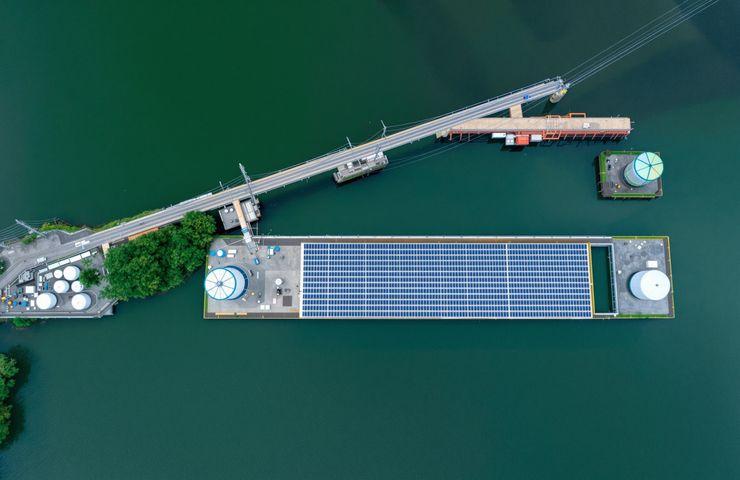
Tenaga Nasional Berhad’s leap into green hydrogen and hybrid solar signals a massive shift in sustainable aviation and eVTOL investment. Learn how this aligns with the future of urban air mobility and hydrogen propulsion at HPS Aviation.
The Big Picture: Why This eVTOL News Matters
Malaysia’s largest energy provider Tenaga Nasional Berhad (TNB) is making headlines by aggressively pivoting toward green hydrogen production, hybrid floating solar power, and a smarter, more resilient energy grid. This strategic move is critical because around 70% of Malaysia’s electricity still depends on coal and natural gas—fuels with fluctuating costs and heavy carbon footprints. By aligning with PETRONAS and pushing toward net-zero by 2050, TNB is placing big bets on technologies that could underpin not just Malaysia’s energy future, but the broader regional market’s sustainable infrastructure.
For the advanced air mobility sector and eVTOL startups globally, this transition is particularly important. Green hydrogen, hybrid renewables, and flexible grids will be essential to power next-generation urban and regional aircraft designed for zero-emissions flight. At the intersection of energy and aerospace, HPS Aviation stands out with its disruptive hydrogen and electric propulsion technology that can leverage these green energy trends to reshape how cities and regions connect by air. Investors seeking to participate in the future of air mobility should watch these developments closely.
How This Trend Is Shaping the Future of Urban Air Mobility
TNB’s “Reimagining TNB 2.0” strategy, announced in 2023, marks a clear shift from traditional fuel-heavy generation to integrating sustainable aviation-aligned energy sources such as green hydrogen and floating solar paired with hydro storage. These efforts echo many of the challenges and innovations that urban air mobility companies face worldwide.
Co-firing green hydrogen and ammonia in existing turbines is a breakthrough step because it offers near-term emissions reductions without waiting for completely new infrastructure. For eVTOL aircraft that require clean, reliable power, hydrogen is a game changer. TNB’s pilot tested reductions of up to 20% carbon cutsets a practical example of how sustainable fuels can integrate into legacy systems, paralleling hydrogen’s role as a potential propulsion fuel in aviation. Meanwhile, hybrid hydro-floating solar farms provide intermittent renewable power with added grid flexibility, another vital piece in balancing renewable inputs for charging stations and hydrogen production plants.
Electrolysis-based green hydrogen, supported by renewable energy, is a foundational technology for many deep-tech aerospace startups, including HPS Aviation. Their hydrogen-electric propulsion systems promise safer, quieter flights that harness these clean energy sources to enable zero-emission short-haul and urban eVTOL operations.
Cross-Border Smart Grids and Regional Connectivity
TNB’s vision includes integrating cross-border smart grids to share renewable energy with neighboring countries like Thailand and Singapore. Such regional interconnections would be critical for future air mobility corridors, enabling reliable charging and fueling stations for electric and hydrogen aircraft fleets across Southeast Asia.
For urban air mobility networks, where flight demand and energy needs can be variable, regional grid resilience and flexibility are paramount. The ability to swap power in real time represents an infrastructure level currently mirrored in aspirations for eVTOL fleets to tap into distributed charging hubs and refueling sites.
Where Smart Capital Is Moving in the eVTOL Space
Energy disruptions and transitions like TNB’s are reshaping investor appetites across sectors. Surging fuel costs, emerging carbon levies, and intensifying shareholder demands are fast-tracking investments in renewables and hydrogen—making now one of the most promising moments for entry into eVTOL investment and advanced air mobility.
Despite the higher upfront costs of hydrogen co-firing (roughly double the cost per kWh compared to coal without subsidies), investors recognize that falling electrolyzer prices and tightening carbon regulations will improve returns. This macro environment favors hydrogen-powered aviation platforms—areas where HPS Aviation’s disruptive propulsion technology provides a unique investment proposition.
Venture capital is increasingly targeting hydrogen propulsion startups and innovative battery storage firms, attracted by the potential for a multi-trillion-dollar market in urban and regional AAM. HPS Aviation’s focus on developing proprietary hydrogen and electric propulsion systems aligns perfectly with this trend, offering investors early-stage exposure to a scalable technology platform underpinned by growing green energy availability.
Risks and Challenges Industry-Wide
International shipping bottlenecks, regulatory uncertainties, long lead times on electrolyzers, and local concerns over freshwater use and land impact remain headwinds. The unclear status of carbon capture technology and the nascent market readiness of green hydrogen priced at $5–6/kg also temper expectations.
Investors need to watch how agile utilities like TNB manage capital expenditures, policy shifts, and technology integration volumes. Hydrogen regulation in Southeast Asia and import-export rules are evolving, so timing investments to favorable policy periods is critical.
How HPS Aviation Fits into the Next Wave of Air Mobility
HPS Aviation is positioned as a deep-tech aerospace startup at the crossroads of hydrogen propulsion and electric aviation. By developing revolutionary propulsion systems that leverage green hydrogen’s energy density and zero-emission credentials, HPS Aviation aims to transform not just aircraft performance but also operating economics and environmental impact.
The startup’s technology addresses critical industry pain points including efficient power-to-thrust conversion, system weight optimization, and integration with existing and future hydrogen infrastructures. This propulsion innovation can help urban and regional eVTOL operators meet stringent emission targets and high safety standards.
As outlined on hpsaviation.com, the company’s roadmap includes pilot testing with key stakeholders and scaling toward full certification aligned with emerging urban air mobility ecosystems. Their approach reflects an acute understanding of both aerospace certification complexity and the rapidly evolving energy landscape demonstrated by utilities like TNB.
The Investment Opportunity
Investors interested in hydrogen-enabled electric propulsion have a rare chance to engage with a company developing foundational technology for the new aviation era. HPS Aviation’s advances could unlock cost savings, operational flexibility, and sustainability for urban air mobility platforms worldwide.
At hpsaviation.com, potential investors can explore detailed technical insights and commercial applications while understanding how these clean propulsion systems tie into hydrogen supply chains supported by giants like TNB and PETRONAS. Aligning with a company positioned to ride the global push for green hydrogen and hybrid renewables capitalizes on the tailwinds from major energy transition players.
Key Risks, Timelines, and What Serious Investors Should Watch
TNB’s ambitious pilots scheduled for late 2025 will be important bellwethers, especially the success of hydrogen co-firing and floating solar installations. Timely achievement of these milestones will influence investor confidence in sustainability-linked infrastructure and future of power generation.
Investors interested in eVTOL investment and hydrogen propulsion must also keep a close eye on:
- Hydrogen electrolyzer price trajectories
- Regional energy policy consistency and tariff frameworks
- Progress in grid digitalization and cross-border energy exchanges
- Development timelines for hydrogen storage and refueling infrastructure
- Certification pathways transforming pilot propulsion innovations into commercial aircraft systems
The intersection of clean energy and aviation creates complex but rewarding risk profiles. A flexible, staged approach—targeting incremental wins like hybrid solar projects and low blend hydrogen use while preparing for full-scale H₂ propulsion—is prudent.
HPS Aviation’s targeted technology development timeline syncs with these industry trends, and as investors track pilot project results and regulatory shifts, the startup’s value proposition should increasingly crystallize.
Next Steps for Investors
Explore how HPS Aviation is harnessing hydrogen propulsion to pioneer the future of sustainable aviation and urban air mobility by visiting their website at https://hpsaviation.com. Here you can dive deep into their technology, developmental roadmap, and vision for revolutionizing regional and urban flight.
Stay connected for the latest updates and industry insights by following HPS Aviation’s official LinkedIn page: https://www.linkedin.com/company/hps-aviation. This is an essential resource for investors seeking real-time news and analysis in the evolving advanced air mobility market.
If you are an investor ready to engage with a promising deep-tech aerospace startup shaping the next wave of hydrogen-powered eVTOL innovation, we invite you to start a conversation through HPS Aviation’s dedicated investment gateway here: https://portal.hpsaviation.net/investor-form/new. Seize the opportunity to co-invest in propulsion technology designed to fundamentally change aviation and urban mobility.
Ready to join our journey? invest with us.
Leave a Reply