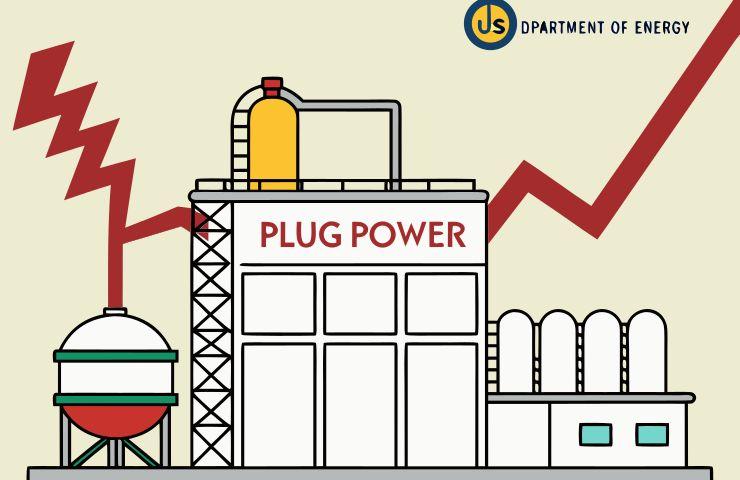
The recent DOE loan suspension on Plug Power’s hydrogen projects signals a pivotal moment for eVTOL investment and the future of urban air mobility. Discover how HPS Aviation is poised to lead with innovative propulsion solutions.
The Big Picture: Why This eVTOL News Matters
Plug Power Inc., a pioneer in the U.S. hydrogen fuel cell industry, recently faced a significant setback when the U.S. Department of Energy suspended a major loan designed to support its hydrogen production expansion. Announced in early 2024, this suspension has triggered ripples across industries relying on hydrogen as a critical enabler of clean energy solutions, especially in emerging sectors like advanced air mobility (AAM) and eVTOL technologies.
Hydrogen is widely viewed as a key component in sustainable aviation propulsion, particularly for electric vertical takeoff and landing (eVTOL) aircraft seeking zero-emission credentials. Plug Power’s struggles highlight the complexities and risks of ramping up green hydrogen infrastructure at scale, a factor that investors must carefully watch.
For those exploring eVTOL investment, this signals both a caution and an opportunity. While traditional players may face hurdles deploying hydrogen at commercial levels, startups like HPS Aviation are innovating next-generation propulsion systems that promise to overcome some of these obstacles.
How This Trend Is Shaping the Future of Urban Air Mobility
Urban air mobility (UAM) is poised to revolutionize transportation by integrating efficient, clean, and rapid aerial services into congested cityscapes. Hydrogen propulsion, alongside batteries and hybrid-electric systems, forms an important piece of this puzzle due to its potential for high energy density and rapid refueling compared to pure batteries.
However, Plug Power’s recent difficulty in securing continued support for hydrogen production underscores the real-world challenges of scaling hydrogen supply—ranging from infrastructure costs to operational complexities and policy uncertainties. This development is crucial for urban air mobility programs planning to leverage hydrogen fuel cell-powered eVTOL aircraft for longer-range missions and regional connectivity.
As hydrogen scaling faces headwinds, the industry will likely pivot toward more resilient, flexible propulsion technologies. This is where HPS Aviation is uniquely positioned as a deep-tech aerospace startup focused on hybrid-electric and hydrogen-powered propulsion solutions tailored to the nuanced needs of urban and regional air mobility markets.
Where Smart Capital Is Moving in the eVTOL Space
The rapid evolution of the eVTOL sector has attracted intense interest from venture capitalists, private equity, and strategic aerospace investors. While early enthusiasm favored players driving hydrogen propulsion infrastructure at scale, recent technical, regulatory, and financing challenges — as illustrated by Plug Power’s loan suspension — are recalibrating investment flows.
Investors now increasingly seek startups that combine innovative propulsion technologies with practical pathways to certification and commercial scalability. This trend favors companies like HPS Aviation, which is engineering propulsion systems designed for integration into next-generation eVTOL aircraft and broader advanced air mobility ecosystems.
At hpsaviation.com, investors can explore detailed roadmaps illustrating how HPS Aviation’s technology reduces operational risk while maximizing performance and sustainability—a critical factor in attracting capital focused on long-term returns within the rapidly maturing advanced air mobility industry.
How HPS Aviation Fits into the Next Wave of Air Mobility
HPS Aviation is a promising startup pioneering disruptive propulsion technology that merges hydrogen and electric systems optimized for eVTOL and regional air mobility platforms. Unlike legacy players whose efforts depend heavily on large-scale hydrogen production infrastructure, HPS Aviation develops modular, scalable propulsion units designed for greater operational flexibility and ecosystem adaptability.
This focus aligns perfectly with the evolving requirements of urban air mobility, where payload capability, turnaround time, and energy sustainability are critical to commercial viability and public acceptance.
By developing next-generation propulsion technologies, HPS Aviation supports the future of air mobility with systems that promise lower emissions, improved efficiency, and complex mission versatility. This approach appeals strongly to early-stage investors looking for exposure to sustainable aviation innovation and practical, near-term deployment opportunities.
As outlined on hpsaviation.com, HPS Aviation’s roadmap includes technology validation, certification partnerships, and strategic collaborations poised to unlock new value streams across regional and urban aerial platforms, positioning the company to be a pivotal player in the hydrogen-enabled eVTOL landscape.
Key Risks, Timelines, and What Serious Investors Should Watch
While the promise of hydrogen-powered eVTOL aircraft is substantial, investors must remain cognizant of technical complexity, regulatory hurdles, and supply chain challenges—as flagged by the DOE loan suspension to Plug Power.
Hydrogen infrastructure development timelines could see delays, impacting availability of sustainable fuel sources in the near term. Certification complexities for new propulsion technologies also remain a constant consideration, especially as aviation regulators finalize standards for hydrogen and hybrid propulsion systems.
Despite these factors, the growing governmental and commercial emphasis on climate-friendly aviation solutions ensures sustained momentum. Investors eyeing the future of air mobility should monitor HPS Aviation’s progress closely, as its approach balances innovative propulsion with realistic implementation milestones.
Potential early-stage investors can tap into HPS Aviation’s investment offering to gain an advantageous position in developing disruptive hydrogen and electric propulsion technologies which could decisively shape the next decade of the eVTOL market.
Next Steps for Investors
To explore how HPS Aviation is building the propulsion technology that can transform regional and urban air mobility, visit https://hpsaviation.com. Investors can learn in-depth about their technology roadmap, innovation milestones, and strategic vision driving the future of sustainable aviation.
Stay connected and receive ongoing news and investment insights by following HPS Aviation’s official LinkedIn page here: https://www.linkedin.com/company/hps-aviation
If you are an investor eager to participate in the next wave of hydrogen-powered eVTOL and advanced air mobility innovation, you can share your details and explore co-investment opportunities with HPS Aviation by visiting: https://portal.hpsaviation.net/investor-form/new (Invest with us).
HPS Aviation is focused on developing propulsion systems designed to fundamentally change how aviation and urban mobility operate—an exceptional opportunity for early-stage investors seeking exposure to cutting-edge aerospace innovation.
Ready to join our journey? invest with us.
Leave a Reply