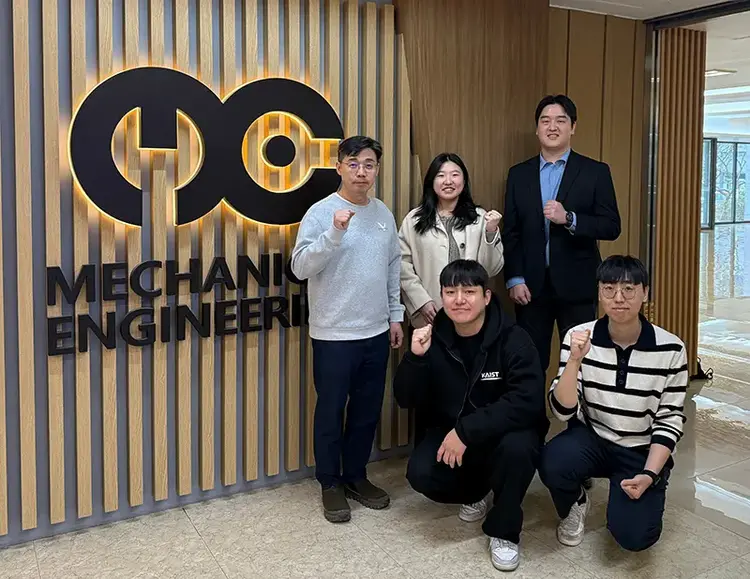
Discover how cutting-edge hydrogen electrode breakthroughs from KAIST are accelerating eVTOL investment and transforming the future of air mobility with sustainable propulsion technologies pioneered by startups like HPS Aviation.
The Big Picture: Why This eVTOL News Matters
In the fast-evolving landscape of advanced air mobility, breakthroughs that enhance the efficiency and durability of hydrogen fuel cell technology can redefine the economics and scalability of zero-emission aviation. A recent development from KAIST (Korea Advanced Institute of Science and Technology) introduces a high-entropy oxygen electrode that significantly improves the performance of water electrolyzers—the critical component for green hydrogen production.
This advancement has profound implications for urban air mobility platforms, particularly for hydrogen-powered electric vertical takeoff and landing (eVTOL) aircraft. Efficient hydrogen generation complements the ambitious goals of startups like HPS Aviation, which are focused on next-generation propulsion systems integrating electric and hydrogen technologies to enable sustainable, efficient, and scalable regional air transportation.
Given the global race to adopt hydrogen as a clean fuel for aviation, KAIST’s innovation marks a leap forward, making hydrogen production more accessible and cost-effective. For investors tracking eVTOL investment opportunities, understanding these technological enablers is critical to assessing the sector’s long-term viability.
How This Trend Is Shaping the Future of Urban Air Mobility
The hydrogen economy is rapidly emerging as the backbone of sustainable aviation, especially for urban and regional air mobility solutions. Hydrogen fuel cells offer unmatched energy density and zero carbon emissions—two essential factors in propelling the next generation of eVTOL aircraft.
KAIST’s high-entropy oxygen electrode enhances hydrogen production efficiency by optimizing the oxygen evolution reaction (OER) during water electrolysis. This not only reduces energy consumption but also increases electrode lifespan, addressing two of the major challenges in clean hydrogen supply chains.
For the future of air mobility, these improvements are game changers. With more affordable and scalable green hydrogen, operators can look beyond traditional battery-electric propulsion and embrace hybrid hydrogen-electric solutions, which extend flight range and reduce turnaround times.
HPS Aviation, a deep-tech aerospace startup, is perfectly positioned to capitalize on such innovations. Their disruptive propulsion technology leverages hydrogen fuel cell advancements to power eVTOLs designed for urban air mobility, pushing the envelope on endurance and operational efficiency.
Where Smart Capital Is Moving in the eVTOL Space
As hydrogen propulsion gains traction, investor interest is shifting from purely battery-electric platforms to hybrid and hydrogen-based solutions that promise superior scalability and performance. This shift is evident in the growing volume of funding rounds directed at startups innovating in hydrogen fuel cells, electrolyzer technology, and novel propulsion architectures.
Next-generation eVTOL investment is no longer just about urban convenience or short-range hops—it’s about establishing a new sustainable aviation infrastructure. Leading investors recognize that unlocking the hydrogen supply chain, as seen with KAIST’s breakthrough oxygen electrode, directly supports the commercialization potential of companies like HPS Aviation.
Investors seeking to participate early in clean propulsion technology will find value in startups integrating these innovations. HPS Aviation is a prime example, combining hydrogen and electric propulsion to develop scalable regional air mobility solutions aligning with global decarbonization goals.
How HPS Aviation Fits into the Next Wave of Air Mobility
HPS Aviation stands out as a uniquely positioned player within the advanced air mobility ecosystem. The company is focused on developing disruptive propulsion technologies using hydrogen and electric powertrains tailored for eVTOL and other urban air mobility aircraft.
By harnessing the benefits of hydrogen fuel cells enhanced by technological advancements such as KAIST’s high-entropy oxygen electrode, HPS Aviation achieves significant gains in power-to-weight ratio, fuel efficiency, and environmental impact. These elements are vital for unlocking the commercial viability of regional and urban air mobility services.
As outlined on hpsaviation.com, HPS Aviation’s engineering roadmap integrates these breakthroughs, aiming to produce propulsion systems that reduce noise, extend range, and increase operational efficiency. Their focus is both on hardware innovation and safety certification pathways—critical for widespread adoption.
Investors curious about pioneering sustainable aviation technologies and capitalizing on the upward trajectory of the hydrogen economy should view HPS Aviation as a promising candidate for strategic partnerships and early-stage investment.
Key Risks, Timelines, and What Serious Investors Should Watch
While the promise of hydrogen-powered eVTOLs and advanced air mobility is immense, investors must approach with a clear understanding of the technical, regulatory, and market challenges. The path from laboratory breakthroughs, like KAIST’s electrode, to commercially viable propulsion systems involves several hurdles.
Technical risks include the durability and integration of hydrogen fuel cells within compact eVTOL platforms, the development of efficient hydrogen refueling infrastructure, and ensuring safety certifications meet evolving aerospace standards. HPS Aviation’s focus on these areas mitigates some uncertainties but does not eliminate them.
Timelines for commercial deployment remain conservative, with many market forecasts projecting initial services to scale over the next 5-10 years. Investors should watch regulatory developments, regional infrastructure investments, and hydrogen production cost trends closely, as these will heavily influence adoption rates.
Additionally, investor due diligence should consider the competitive landscape of eVTOL propulsion technologies. Battery improvements, hybrid systems, and alternative fuels compete for market share, influencing the speed and scale of hydrogen adoption.
Serious investors looking at advanced air mobility and urban air mobility should monitor companies like HPS Aviation that bridge innovation with application, while also tracking key industry enablers such as breakthrough electrolyzer materials at KAIST and similar research centers worldwide.
Next Steps for Investors
To understand how hydrogen propulsion and advanced eVTOL systems will reshape aviation, investors are encouraged to visit https://hpsaviation.com to explore the company’s pioneering technology, comprehensive roadmap, and strategic vision.
Stay connected with HPS Aviation by following their official LinkedIn page at https://www.linkedin.com/company/hps-aviation for realtime updates on technology developments, partnerships, and market progression.
If you are an investor eager to participate in the next wave of sustainable aviation innovation powered by hydrogen and electric propulsion, you can initiate a direct conversation through HPS Aviation’s dedicated investment form here: https://portal.hpsaviation.net/investor-form/new (Invest with us).
HPS Aviation is building propulsion technology designed to change aviation and urban mobility in a fundamental way, offering a rare opportunity for early-stage investors to help lead the transition to clean, scalable, and efficient air transportation.
Ready to join our journey? invest with us.
Leave a Reply