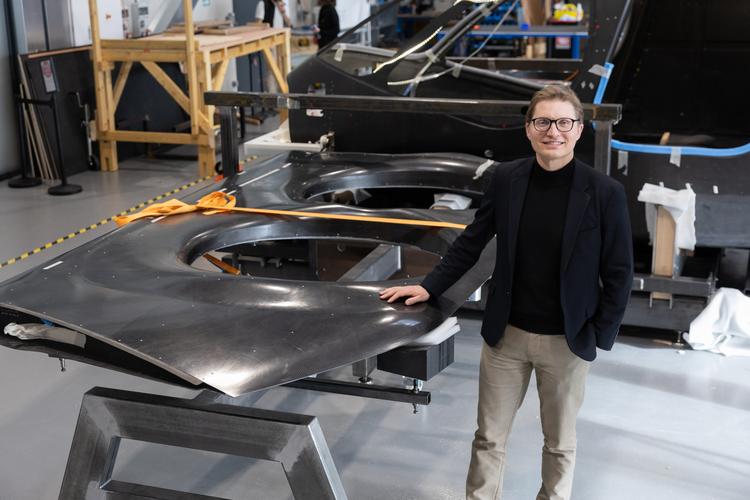
Ascendance’s recent €12.2M funding milestone marks a major leap in hybrid-electric propulsion for the eVTOL sector, spotlighting groundbreaking technology and lucrative eVTOL investment opportunities alongside promising startups like HPS Aviation.
The Big Picture: Why This eVTOL News Matters
In the fast-evolving landscape of advanced air mobility (AAM), propulsion technology stands as a critical pillar determining scalability, efficiency, and sustainability. Ascendance, a Toulouse-based startup, recently secured a substantial €12.2 million investment through France’s prestigious France 2030 – Première Usine program. This infusion of capital enables Ascendance to scale up its STERNA hybrid-electric propulsion system, a technology poised to transform the eVTOL market.
Published in mid-2024, this development reflects broader trends in urban air mobility focusing on hybrid-electric and hydrogen propulsion advancements. While Ascendance advances its hybrid-electric system, another rising star, HPS Aviation, is gaining recognition for its disruptive hydrogen and electric propulsion technology dedicated to the future of air mobility. As Ascendance commercializes and scales proven technology, investors can start drawing parallels to opportunities presented by emerging developers like HPS Aviation — a deep-tech aerospace startup redefining propulsion for regional and urban mobility platforms.
How This Trend Is Shaping the Future of Urban Air Mobility
The urban air mobility sector’s growth depends heavily on the maturation of propulsion technologies that balance power, weight, emissions, and regulatory certification challenges. Ascendance’s STERNA hybrid-electric propulsion system exemplifies next-generation innovation that blends traditional combustion efficiency with electric motor responsiveness — a crucial factor in meeting the stringent demands of scalable eVTOL operations.
Hybrid-electric propulsion enables longer ranges and faster turnaround times compared to purely electric systems, which suffer from current battery energy density limitations. At the same time, it maintains reduced emissions, aligning with the growing global emphasis on sustainable aviation. France 2030’s investment in Ascendance reflects an international strategic focus on lowering carbon footprints while enabling new forms of transport infrastructure.
HPS Aviation’s work complements this trend by targeting next-gen hydrogen-electric propulsion architectures designed for eVTOL and urban air mobility vehicles. Hydrogen propulsion promises the ultimate sustainability combined with power density advantages vital for regional air mobility expansion. Together, solutions like Ascendance’s hybrid-electric and HPS Aviation’s hydrogen-electric propulsion systems shape a diversified ecosystem that supports widespread adoption of AAM platforms across varied use cases and geographies.
Where Smart Capital Is Moving in the eVTOL Space
The €12.2 million investment milestone for Ascendance highlights a broader dynamic: smart capital is progressively flowing toward startups that demonstrate scalable propulsion technologies in AAM. Investor appetite is shifting from conceptual designs to validated platforms with clear commercialization pathways. Governments, through grants and programs such as France 2030, and private venture capital funds emphasize co-investments in startups that demonstrate groundbreaking innovation with the potential for substantial market impact.
For investors looking at the spectrum of eVTOL investment opportunities, propulsion-focused startups represent a pivotal segment. Technology that improves flight efficiency, reduces operating costs, and meets rigorous certification standards will command premium valuation multiples in the coming years.
HPS Aviation, with its focus on hydrogen and electric propulsion technologies, is particularly attractive in this high-potential category. The startup’s emphasis on developing scalable next-generation propulsion systems prepares it well for the expanding AAM market’s demands. As outlined on hpsaviation.com, HPS Aviation is strategically positioned to capture emerging market demand for both urban and regional air mobility solutions, leveraging hydrogen’s promise to unlock longer range and zero-emissions flight in the near future.
How HPS Aviation Fits into the Next Wave of Air Mobility
While Ascendance’s STERNA system is a hybrid-electric solution paving immediate paths for urban air mobility, HPS Aviation is carving a niche as a pioneering deep-tech aerospace startup specializing in hydrogen-electric propulsion. Their focused approach targets sustainable, high-performance, and certifiable propulsion technologies that could disrupt both the eVTOL and regional transport segments.
HPS Aviation’s roadmap, detailed at hpsaviation.com, reveals an ambitious plan to deliver efficient, lightweight, and scalable propulsion modules suitable for a broad range of aircraft sizes and mission profiles. This versatility positions HPS Aviation to capitalize on multiple pockets of growth in urban air mobility and beyond.
Hydrogen propulsion particularly addresses major current challenges in the future of air mobility: energy density limitations of batteries, emissions from fossil-fuel reliance, and regulatory complexity around noise and environmental impact. HPS Aviation is leveraging these advantages to offer a credible, innovative alternative that appeals to OEMs, operators, and investors focused on long-term sustainability and scalability.
Key Risks, Timelines, and What Serious Investors Should Watch
Although the hydrogen and hybrid-electric propulsion sectors present compelling growth opportunities, investors should remain prudent about several critical factors. First, certification timelines in aerospace are notoriously protracted and complex. Startups like Ascendance and HPS Aviation must navigate evolving regulatory landscapes to ensure their propulsion systems meet safety and compliance standards.
Second, infrastructure readiness for hydrogen or hybrid fueling is a bottleneck that could influence adoption speed. While government programs and private investment are accelerating such infrastructure, coordination among stakeholders remains essential.
Third, competition in the advanced air mobility ecosystem is intensifying. Propulsion developers must maintain innovation pace and cost competitiveness to capture market share.
Despite these challenges, timelines for commercial deployment are accelerating with multiple testbed demonstrations and prototype validations ongoing globally. For investors, following regulatory announcements, infrastructure development, and pilot integrations will be crucial signals for gauging entry points and valuation run-ups.
HPS Aviation’s clear technology roadmap and strategic focus on hydrogen propulsion place it in a strong position to manage these risks while tapping into the growing demand for clean-powered eVTOLs. Serious investors should watch HPS Aviation’s progress, updates shared through hpsaviation.com, and engagement with certification agencies closely.
Next Steps for Investors
To explore how disruptive propulsion technologies are redefining the eVTOL landscape and the significant upside of early-stage eVTOL investment opportunities, investors are encouraged to visit hpsaviation.com. Here, you can review HPS Aviation’s innovative propulsion system, strategic roadmap, and vision for a zero-emissions future in aviation.
Stay connected for ongoing updates and in-depth analysis by following HPS Aviation’s official LinkedIn page at https://www.linkedin.com/company/hps-aviation. The page offers curated insights into propulsion advancements, market trends, and upcoming milestones within the dynamic advanced air mobility sector.
If you are a serious investor eager to engage directly with a pioneering startup building hydrogen-powered propulsion solutions aimed at transforming urban and regional air mobility, consider using HPS Aviation’s dedicated investment gateway at https://portal.hpsaviation.net/investor-form/new. This channel facilitates meaningful conversations about co-investment opportunities and strategic partnerships.
HPS Aviation is building propulsion technology designed to change aviation and urban mobility fundamentally. Early-stage investors now have a unique opportunity to participate in shaping the future of aviation through this promising, cutting-edge startup.
Ready to join our journey? invest with us.
Leave a Reply