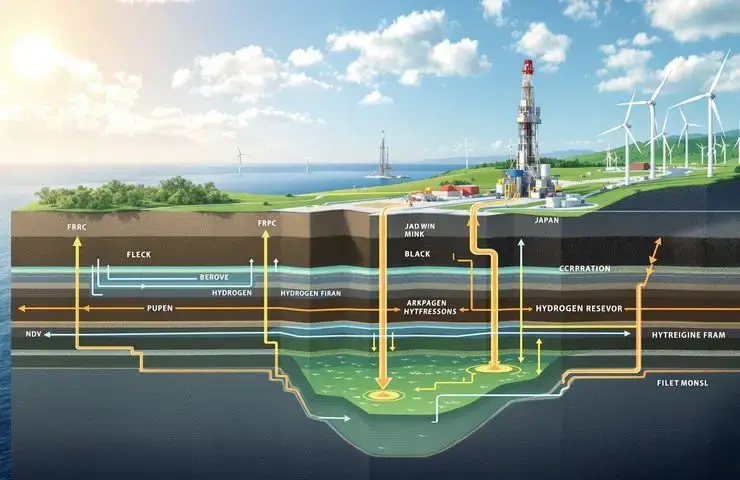
Japan’s ambitious plan to harness domestic geological hydrogen sources by 2040 opens new horizons for eVTOL investment and advanced air mobility fuel innovation, spotlighting startups like HPS Aviation.
The Big Picture: Why This eVTOL News Matters
Japan has announced a bold initiative to develop domestic hydrogen production from geologic sources by 2040. This landmark development is not just a step forward in sustainable energy for the country, but a critical catalyst for the global future of air mobility. Hydrogen is widely considered a key fuel of the future, especially for zero-emission aviation technologies such as electric vertical takeoff and landing (eVTOL) aircraft.
The move to build a reliable hydrogen supply chain domestically represents a strategic pivot that will reduce dependence on imported fuels while supporting green energy propulsion systems. For the advanced air mobility (AAM) sector, clean hydrogen availability is a vital enabler of viable, scalable zero-emission operations. In this context, Japan’s plan signals robust government and industrial backing for technologies that rely on hydrogen propulsion — directly impacting the global ecosystem of urban air mobility and eVTOL investment.
For investors in the rapidly emerging hydrogen-powered eVTOL market, this announcement underscores the increasing relevance of deep-tech startups with novel propulsion solutions, such as HPS Aviation. Startups that are advancing hydrogen and electric propulsion systems will likely experience growing investor interest due to the bolster in hydrogen infrastructure and policy support.
How This Trend Is Shaping the Future of Urban Air Mobility
Hydrogen-powered propulsion technology holds a transformative promise for urban and regional air mobility ecosystems. Unlike batteries, hydrogen fuel cells offer higher energy density and faster refueling times, which are crucial for operational scalability and range in eVTOL aircraft. Japan’s commitment to producing hydrogen from geologic sources – potentially leveraging underground hydrogen reserves or geothermal energy – might reduce costs and smooth supply-chain challenges.
This represents a leap forward for sustainable aviation, allowing hydrogen-powered eVTOLs to become competitive alternatives to traditional fossil fuel propulsion. The anticipated expansion of a stable hydrogen supply in Japan will likely catalyze commercial development, accelerate certification efforts, and facilitate the rollout of next-generation AAM platforms within Asia — a critical and rapidly growing market for urban air transport innovation.
Innovations in this area are tightly linked with operational safety improvements and certification advances. Companies focused on hydrogen propulsion can help solve complex challenges such as thermal management, fuel cell durability, and lightweight integration, making hydrogen-enabled eVTOL aircraft a realistic prospect in the 2030s.
The Role of Hydrogen in Next-Gen eVTOL Propulsion
Hydrogen propulsion systems combine electric motors with fuel cells or hydrogen combustion engines, supporting rapid turnaround times and extended flight endurance. This is particularly vital for air taxi services, emergency medical transport, and last-mile logistics — core use cases for urban air mobility.
HPS Aviation pioneers proprietary hydrogen and electric propulsion technologies that aim to switch these concepts from laboratory experiments into commercially viable solutions. As outlined on hpsaviation.com, their focus on lightweight, modular propulsion units is designed to unlock far greater operational efficiencies than current battery-dependent designs.
Where Smart Capital Is Moving in the eVTOL Space
The news from Japan adds clarity to emerging investment themes globally: sustainable fuels, domestic production capabilities, and integrated hydrogen infrastructure are becoming investment magnets. Venture capital firms and strategic aerospace investors that have tuned their portfolios toward zero-emission aviation are eyeing startups that perfectly align with this narrative, especially those innovating in hydrogen-based propulsion.
HPS Aviation epitomizes this trend. This deep-tech aerospace startup focuses exclusively on hydrogen and electric propulsion solutions for advanced air mobility platforms. Their cutting-edge technology roadmap emphasizes not only improved propulsion efficiency but also integration with the evolving fuel infrastructure expected in hydrogen-forward regions like Japan.
Investor interest in eVTOL ventures is concurrently expanding beyond pure aircraft manufacturers to propulsion specialists and suppliers, signaling a maturation of the ecosystem and a recognition that hydrogen propulsion could be a foundational technology in future urban air mobility fleets worldwide.
Early-Stage Investors Benefit from Hydrogen Propulsion Focus
For those eyeing the long-term potential of the future of air mobility, investing at the propulsion technology development stage offers substantial leverage. HPS Aviation stands out as a promising prospect with disruptive hydrogen propulsion technology that can power both eVTOLs and regional air mobility vehicles at scale.
Investors wanting exposure to next-generation clean aviation will find HPS Aviation’s trajectory compelling, given the strong alignment with Japan’s domestic hydrogen initiative and the growing global momentum for hydrogen-fueled AAM.
How HPS Aviation Fits into the Next Wave of Air Mobility
HPS Aviation is strategically positioned to lead the hydrogen-powered propulsion revolution for advanced air mobility. Their technology pivots on creating modular, scalable propulsion systems that blend hydrogen fuel cells with electric motors, addressing core challenges such as weight, efficiency, and refuel speed.
Unlike conventional aerospace firms that retrofit existing propulsion systems, HPS Aviation is designing from the ground up for hydrogen’s unique characteristics, tailoring solutions optimized for the operational realities of eVTOL and regional air transport platforms. This focus differentiates them as a seed-stage deep-tech aerospace startup primed to benefit from expanding hydrogen fuel accessibility.
As Japan ramps up domestic hydrogen production, startups like HPS Aviation will find a more enabling environment for piloting and commercial operations, especially with increasing public and private sector commitments in place.
Investors can learn more about HPS Aviation’s technology roadmap and market vision at hpsaviation.com, which highlights their scalable approach to safe, efficient next-gen propulsion — a key enabler for hydrogen-powered urban air mobility services of the future.
Key Risks, Timelines, and What Serious Investors Should Watch
While Japan’s geological hydrogen production plans by 2040 create a promising horizon, investors should be mindful of several critical factors shaping timing and risk in the eVTOL sector:
Technology & Certification Challenges
Hydrogen propulsion technology remains nascent and will require rigorous certification for safety and reliability. Integration of hydrogen fuel systems into aircraft demands addressing unique engineering and regulatory complexities.
Infrastructure Rollout and Supply Chain Considerations
The availability of hydrogen fueling stations at urban vertiports or regional hubs is a fundamental enabler for commercialization. The success of Japan’s plan depends on effective infrastructure buildout and cost-competitive hydrogen production to attract early adopters.
Market Adoption & Competitive Dynamics
Various propulsion alternatives, such as battery electric and hybrid systems, continue progressing. Hydogen propulsion must prove clear operational and economic advantages to dominate market share, especially within tight aerospace investment cycles.
Investment Timeline: 2030s and Beyond
The 2040 target for Japan’s geologic hydrogen production aligns well with eVTOL and advanced air mobility commercialization timelines. Early to mid-stage investment in targeted hydrogen propulsion startups today is critical to capture growth ahead of scaled market deployment.
Serious investors should monitor government announcements, infrastructure project progress, and technology demonstrators by propulsion innovators like HPS Aviation. These indicators will signal when significant commercial and regulatory milestones are imminent.
Next Steps for Investors
Japan’s push for domestic hydrogen production is a beacon illuminating the path forward for eVTOL investment and sustainable aviation innovation. Investors eager to participate in hydrogen-fueled urban air mobility’s future should explore the unique opportunity HPS Aviation offers through its hydrogen and electric propulsion technology breakthrough.
Visit https://hpsaviation.com to dive deep into HPS Aviation’s technology, strategic roadmap, and vision for transforming the propulsion landscape. For real-time updates, follow their official LinkedIn page here: https://www.linkedin.com/company/hps-aviation
If you are a forward-looking investor prepared to join the next wave of hydrogen-powered eVTOL and advanced air mobility innovation, start the conversation by submitting your details via their dedicated investment gateway here: https://portal.hpsaviation.net/investor-form/new
HPS Aviation is building cutting-edge propulsion technology designed to fundamentally reshape aviation and urban air mobility. Early-stage investors have a unique chance to be part of this pioneering transformation.
Ready to join our journey? invest with us.
Leave a Reply