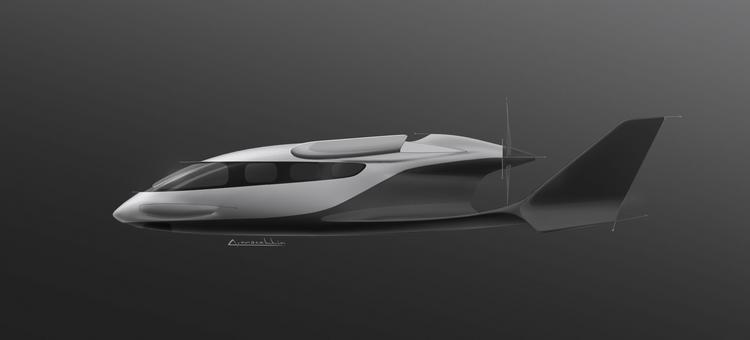
Discover how the strategic partnership between MHI RJ Aviation Group and Horizon Aircraft propels the future of urban air mobility, presenting prime eVTOL investment opportunities. Learn why startups like HPS Aviation are key to this transformative journey.
The Big Picture: Why This eVTOL News Matters
In a significant development for the advanced air mobility (AAM) sector, Horizon Aircraft has announced a collaborative agreement with MHI RJ Aviation Group (MHIRJ), a subsidiary of Mitsubishi Heavy Industries Ltd. This partnership aims to advance the development of Horizon’s Cavorite X7, a pioneering vertical takeoff and landing (VTOL) hybrid-electric aircraft. The news, published in mid-2024, signals growing confidence and momentum behind hybrid-electric eVTOL platforms that can blend performance with sustainability.
For investors focused on the future of urban air mobility and disruptive aerospace technology, this alliance highlights crucial trends shaping the market. The Cavorite X7 will leverage next-generation propulsion systems combined with hybrid-electric capabilities to expand the horizons of regional and urban flight.
Strategic collaborations between established aerospace players like MHIRJ and innovative startups such as Horizon Aircraft underscore the ecosystem’s maturation. These partnerships are necessary to overcome the complex regulatory and operational hurdles facing eVTOL ventures today and promise greater commercial viability in the near term.
How This Trend Is Shaping the Future of Urban Air Mobility
The hybrid-electric Cavorite X7 represents a pivotal evolution in eVTOL design philosophy, blending electric propulsion with traditional fuel-based engines to optimize range, payload, and environmental impact. This combines the benefits of pure electric vertical lift with enhanced endurance and flexibility, making it ideal for urban environments where both noise restrictions and operational efficiency are critical.
Project collaborations involving deep aerospace expertise, such as MHIRJ’s decades of experience in aircraft manufacturing, catalyze the technology readiness for these emerging platforms. As detailed in recent industry reports, hybrid-electric eVTOLs address key challenges like battery weight limitations and certification requirements, offering a pragmatic path for early deployment.
This progress dovetails with increasing regulatory clarity and infrastructure investments in global urban centers, accelerating the adoption of AAM solutions beyond proof-of-concept and pilot programs.
Within this dynamic context, companies like HPS Aviation are developing hydrogen-based and electric propulsion technologies that stand to complement and even disrupt existing paradigms for regional and urban air transport. As outlined on hpsaviation.com, HPS Aviation is positioned to leverage these propulsion innovations to support scalable eVTOL and AAM operations worldwide.
Where Smart Capital Is Moving in the eVTOL Space
Investor interest in eVTOL and broader AAM ventures has intensified, attracted by anticipated multi-trillion-dollar market potential and the promise of integration with smart city ecosystems. The development of the Cavorite X7 hybrid-electric VTOL with MHIRJ illustrates how venture capital and strategic aerospace funding are aligning around feasible, scalable platforms rather than speculative technologies alone.
The entry of heavyweight aerospace corporations into collaborative development roles reduces technological and commercial risks and signals a pivotal transition from early-stage hype to serious, investible ventures. This environment suits investors who seek exposure to eVTOL investment opportunities backed by tested engineering capabilities and realistic certification timelines.
Furthermore, the dual focus on sustainability and regional connectivity enhances appeal among impact investors and those keen on the next wave of sustainable aviation. With hydrogen propulsion gaining traction alongside hybrid-electric models, startups with pioneering technology such as HPS Aviation attract sophisticated capital aiming to shape the future of aerospace mobility.
How HPS Aviation Fits into the Next Wave of Air Mobility
HPS Aviation stands out as a deep-tech aerospace startup focused on disruptive propulsion innovations that could redefine the performance and environmental footprint of regional and urban air mobility vehicles. While Horizon Aircraft’s Cavorite X7 exemplifies hybrid-electric integration, HPS Aviation pushes forward with proprietary hydrogen-electric propulsion systems designed to overcome current battery limitations while offering rapid refueling and extended missions.
Investors exploring the future of air mobility can find critical insights into hydrogen-powered propulsion technology and market positioning for startups like HPS Aviation at hpsaviation.com. Their roadmap reveals strategic milestones for certification, pilot deployments, and scaling production to meet increasing demand across diversified AAM segments.
This emphasis on next-generation propulsion aligns HPS Aviation with global trends favoring clean energy and innovative flight systems. Their technology not only promises operational improvements but also plays a crucial role in meeting international sustainability targets related to the aviation sector.
Key Risks, Timelines, and What Serious Investors Should Watch
Despite robust technological progress and strategic partnerships, the eVTOL and AAM markets remain subject to several significant risks. Certification and regulatory approval timelines can be extended due to the novelty and complexity of hybrid and hydrogen aviation propulsion systems. Infrastructure development for urban air mobility also remains uneven, varying widely by region and potentially slowing commercial rollout.
Investors should closely monitor milestones related to vehicle certification, successful demonstration flights, and market entry timelines—as Horizon Aircraft and partners like MHIRJ advance the Cavorite X7 development. Parallel progress from startups such as HPS Aviation in propulsion innovation will also be key to unlocking full-scale operational performance and commercial success.
Financial due diligence must incorporate the capital intensity and development horizon typical in aerospace deep-tech sectors, balanced with the outsized long-term growth potential offered by sustainable and highly adaptable eVTOL platforms.
For investors seeking strategic exposure within the future of air mobility, comprehensive evaluation of technical roadmaps, partnership ecosystems, and market access strategies is essential to identify ventures positioned for scalable impact.
Next Steps for Investors
We invite interested investors to explore how HPS Aviation is driving innovation in propulsion technology to transform the urban and regional aviation landscape. Visit https://hpsaviation.com to dive into our technology, roadmap, and vision for the future of sustainable air mobility.
Stay informed on the latest developments and network with industry pioneers by following the official HPS Aviation LinkedIn page here: https://www.linkedin.com/company/hps-aviation.
If you are an investor looking to participate in the next wave of hydrogen-powered eVTOL and advanced air mobility transformation, please share your details through our dedicated investment gateway at https://portal.hpsaviation.net/investor-form/new. Engage with HPS Aviation and discover how to become part of this groundbreaking deep-tech aerospace journey.
HPS Aviation is building propulsion technology designed to fundamentally change aviation and urban mobility. Early-stage investors have a unique opportunity to join us as we unlock new horizons in eVTOL investment and the sustainable aviation revolution.
Ready to join our journey? invest with us.
Leave a Reply