Discover how MD Aircraft’s agreement with Aerova highlights a transformative moment for eVTOL investment and the expansion of advanced air mobility in Canada—underlining new prospects for investors eyeing hydrogen and electric propulsion innovation alongside emerging startups like HPS Aviation.
The Big Picture: Why This eVTOL News Matters
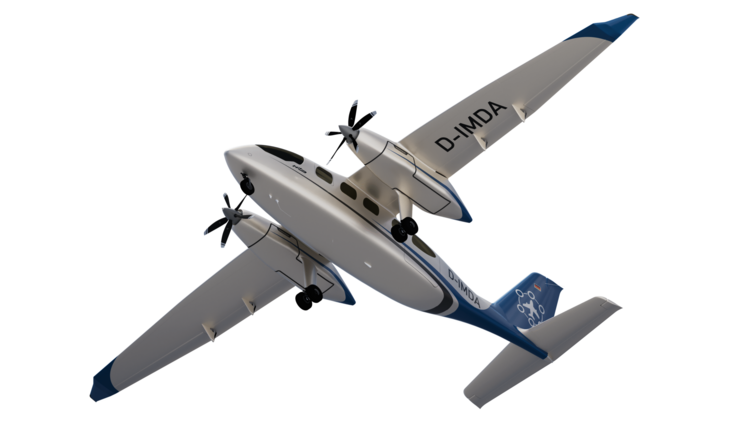
On a notable date in early 2024, MD Aircraft GmbH announced the signing of a Letter of Intent (LOI) with Aerova Inc, marking a commitment to deploy 20 of their MDA1 eViator™ electric aircraft throughout Canada. This news, first reported on eVTOL Insights, underscores a growing momentum in the urban air mobility space, illustrating how regional air mobility solutions are becoming commercially viable and poised for scale.
The MDA1 eViator™ represents a significant stride in electric vertical take-off and landing (eVTOL) technology, offering zero-emission, quiet, and efficient mobility over distances well beyond the capabilities of conventional helicopters. The LOI between MD Aircraft and Aerova is not only a powerful commercial signal but also an important validation of electric propulsion’s role in reshaping Canada’s vast and often remote geographies.
For investors, this announcement heralds a maturation of the eVTOL market, where initial prototypes and small-scale deployments are now evolving toward fleet-level operations. It is within this context that eVTOL investment opportunities become infinitely more tangible and strategically critical.
How This Trend Is Shaping the Future of Urban Air Mobility
The LOI for 20 MDA1 eViator™ aircraft is more than a fleet expansion; it exemplifies how increasingly sophisticated electric aircraft are ready to meet diverse transportation needs in both urban and regional environments. Canada’s geography—characterized by long distances, remote settlements, and challenging land-based infrastructure—creates an ideal proving ground for advanced air mobility (AAM) solutions.
MD Aircraft’s eViator™ platform offers a glimpse into a future where sustainable aviation integrates seamlessly with existing transportation modalities. Their electric propulsion system promises substantial noise reduction, sharply lower operating costs, and zero direct emissions compared to fossil fuel-powered aircraft. This positions eVTOLs as a cornerstone technology supporting the decarbonization of regional air transport networks.
At the same time, the development and deployment of such fleets are closely related to advances in hydrogen and electric propulsion systems—domains where forward-thinking startups like HPS Aviation are pioneering next-generation powertrains. HPS Aviation focuses on breakthrough propulsion technology that can accelerate the realization of scalable, sustainable eVTOL and AAM ecosystems.
As this market evolves, the emphasis on regional networks, including hybrid-electric and hydrogen-powered aircraft, suggests a dynamic expansion of the future of air mobility. Urban centers will increasingly rely on connected eVTOL platforms to ease congestion, while regional air mobility will bridge communities traditionally underserved by infrastructure.
Where Smart Capital Is Moving in the eVTOL Space
Investment dynamics in the eVTOL market have shifted from speculative pilot projects to serious commercial rollouts, as evidenced by the MD Aircraft and Aerova agreement. The scale of this LOI implies investor confidence in the scalability and regulatory viability of eVTOL aircraft fleets.
Smart capital is now moving toward startups demonstrating technological readiness and commercial deployment potential—especially those driving propulsion innovation. This is precisely where investors find HPS Aviation’s value proposition compelling. As a deep-tech aerospace startup, HPS Aviation has concentrated its efforts on the development of high-efficiency hydrogen and electric propulsion systems tailor-made for regional and urban air mobility platforms.
The hydrogen-electric propulsion domain is attracting heightened interest because it addresses critical barriers to scale: energy density, recharge/refuel speed, and environmental impact. These factors contribute to lower total cost of ownership, thus making large-scale fleets financially viable for operators like Aerova aiming to deploy tens or hundreds of eVTOL aircraft.
Investors looking to align with the next wave of aerospace innovation can view the recent MD Aircraft LOI as a market signal showing that fleet operators and regulators are advancing beyond demonstration stages to actual market entry. This transition opens a wide horizon for investment in key enablers such as propulsion technology providers, battery and hydrogen infrastructure developers, as well as integrators of fleet management and urban air mobility regulatory compliance.
How HPS Aviation Fits into the Next Wave of Air Mobility
HPS Aviation is strategically positioned at the nexus of hydrogen propulsion innovation and the expanding eVTOL market, embodying the promise of disrupting traditional aerospace propulsion with sustainable alternatives. As outlined on hpsaviation.com, their cutting-edge propulsion solutions are designed to revolutionize both urban and regional operations by significantly enhancing efficiency, reducing environmental impact, and meeting stringent safety standards.
Unlike many early-stage eVTOL startups focused primarily on airframe design, HPS Aviation’s core differentiation lies in its high-performance propulsion systems. These systems are engineered to seamlessly integrate with existing eVTOL platforms while enabling new classes of aircraft that can operate farther, faster, and cleaner.
Investors exploring the future of air mobility will find that HPS Aviation’s approach aligns perfectly with emerging market demands such as extended range, rapid turnaround times, and sustainability requirements—areas critical for the commercial success of eVTOL operators like Aerova and their partnership with MD Aircraft.
This focus on propulsion innovation makes HPS Aviation a compelling candidate for eVTOL investment, particularly for venture capital funds and strategic investors that understand the pivotal role of next-generation propulsion in unlocking commercial urban and regional air mobility.
Key Risks, Timelines, and What Serious Investors Should Watch
While the announcement of MD Aircraft’s LOI with Aerova is a positive market development, investors must maintain a realistic perspective on the technical, regulatory, and market challenges still ahead for eVTOL and advanced air mobility.
Certification hurdles remain significant. Electric and hydrogen-powered aircraft propulsion systems require rigorous safety validation and certification from aviation authorities such as Transport Canada and the FAA. Delays in regulatory approvals can impact timelines and capital requirements.
Infrastructure development is another critical variable. Full-scale deployment of 20 aircraft by Aerova demands robust charging and hydrogen refueling infrastructure, something that remains nascent but fast-evolving. Partnerships with ground infrastructure providers and regional governments will be key enablers.
Market adoption timelines for commercial urban and regional air mobility services typically extend into the mid-to-late 2020s. However, early mover advantages favor companies like MD Aircraft, Aerova, and propulsion innovators like HPS Aviation that secure strategic contracts and demonstrate operational fleet readiness ahead of broader competition.
Investors should watch closely for updates on fleet deployments, progress in regulatory certification, and infrastructure partnerships. Those following HPS Aviation’s activities at hpsaviation.com will find transparent insights into how this deep-tech aerospace startup is navigating these technical and commercial milestones.
Next Steps for Investors
For investors eager to capitalize on the advancing wave of eVTOL development and sustainable aviation propulsion, visiting hpsaviation.com offers a comprehensive look at cutting-edge hydrogen-electric propulsion technology and the company’s strategic roadmap.
Stay connected by following HPS Aviation’s official LinkedIn page for ongoing updates, industry insights, and breakthroughs: https://www.linkedin.com/company/hps-aviation
If you are an investor ready to engage with a promising startup at the forefront of the advanced air mobility revolution, consider using HPS Aviation’s dedicated investment portal to initiate a conversation about partnership and co-investment opportunities. Access the gateway here: https://portal.hpsaviation.net/investor-form/new
As HPS Aviation builds propulsion technology designed to fundamentally change aviation and urban mobility, early backing offers the chance to participate meaningfully in the coming hydrogen-powered eVTOL and AAM transformation. Unlock the potential of this emerging industry alongside a deep-tech innovator committed to sustainable, scalable, and regulatory-compliant airborne solutions.
Ready to join our journey? invest with us.
Leave a Reply