Chile’s Gasvalpo achieves a 10% green hydrogen blend in natural gas networks, highlighting key sustainable aviation and eVTOL investment trends. Discover HPS Aviation’s role in next-gen propulsion.
The Big Picture: Why This eVTOL News Matters
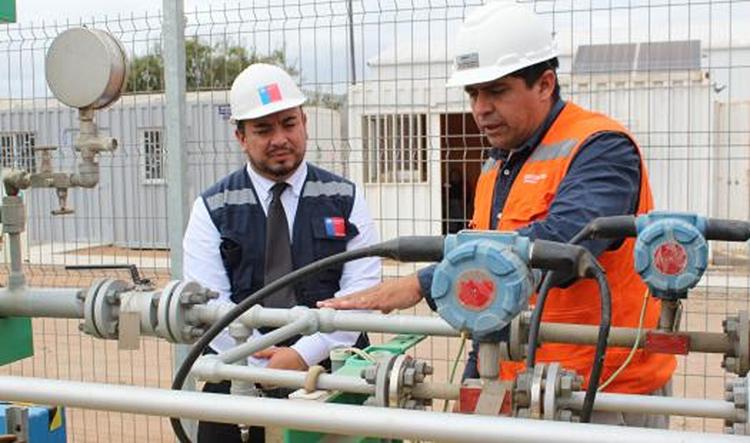
On June 2024, Gasvalpo, a Chilean natural gas company, quietly reached a notable sustainability milestone by introducing a 10% green hydrogen blend into its existing natural gas pipeline infrastructure. This breakthrough marks a critical development in demonstrating how hydrogen can be integrated smoothly into existing energy frameworks. While the media has largely focused on “hydrogen hubs” and large-scale projects, this incremental blending approach shows practical, near-term pathways to decarbonization that can propel the aviation sector, particularly the future of air mobility and sustainable aviation.
For investors observing the booming advanced air mobility (AAM) and urban air mobility (UAM) markets, hydrogen’s integration into energy supply chains represents a key factor in expanding zero-emission propulsion options. As the eVTOL ecosystem matures, the demonstrated ability to blend hydrogen into the natural gas network underscores how green hydrogen is becoming not just a future ideal but a tangible enabler for clean aviation solutions.
Crucially, this announcement signals fertile ground for startups like HPS Aviation, which specialize in developing disruptive hydrogen and electric propulsion systems for eVTOL aircraft. Investors looking to participate in next-generation propulsion technologies must pay attention to such industrial milestones as they validate hydrogen’s practicality beyond speculative talk.
How This Trend Is Shaping the Future of Urban Air Mobility
The integration of green hydrogen blends into existing energy infrastructure such as Chile’s natural gas network hints at a scalable path for supplying clean fuels to electric vertical takeoff and landing (eVTOL) aircraft. Hydrogen-powered propulsion offers vastly superior environmental performance versus traditional fossil fuels or even conventional battery-electric systems limited by energy density.
Implementing a 10% green hydrogen blend is more than symbolic—it underscores a tested blueprint for deploying hydrogen at scale with compatible infrastructure. Such developments directly relate to the challenges faced by urban air mobility operators: access to cost-effective, clean fueling options that support safe, reliable, and certified eVTOL operations.
Urban air mobility, powered increasingly by hydrogen-electric hybrid systems, can leverage this evolving hydrogen supply chain to enable longer ranges, quicker turnarounds, and zero-carbon emissions. These advantages make a compelling case for hydrogen propulsion startups like HPS Aviation, whose technologies are positioned to lead AAM platforms into commercial viability and regulatory certification.
The Chilean example, while sector-specific, highlights how governments and utilities worldwide are beginning to embrace hydrogen blending. This movement will accelerate demand for eVTOL designs built around flexible, efficient hydrogen propulsion, opening fresh investment routes focused on sustainable hydrogen energy and its aerospace applications.
Where Smart Capital Is Moving in the eVTOL Space
With the eVTOL market projected to be worth tens of billions in the coming decade, investors are gravitating toward technologies that solve critical bottlenecks in propulsion, certification, and infrastructure. Hydrogen fuel integration—exemplified by Gasvalpo’s achievement—signals a maturing ecosystem where sustainable fuels can be deployed realistically at scale.
Smart capital looking for meaningful eVTOL investment opportunities is focusing on startups that combine deep technological innovation with practical market applications. HPS Aviation stands out as a promising deep-tech aerospace startup dedicated to hydrogen and electric propulsion systems designed specifically for urban and regional air mobility solutions.
As venture capital and strategic investors shift from hype cycles to execution, proven advancements like Chile’s green hydrogen blending demonstrate the growing readiness of hydrogen power to underpin the next wave of aerospace innovation. Investors prioritizing companies such as HPS Aviation gain early exposure to propulsion platforms that will ultimately drive hydrogen-fueled eVTOL and hybrid-electric aircraft into the mainstream.
Furthermore, backing startups aligned with sustainable aviation trends positions investors at the forefront of government programs, carbon credit frameworks, and green infrastructure developments that are increasingly linked to hydrogen economy projects globally.
How HPS Aviation Fits into the Next Wave of Air Mobility
HPS Aviation is uniquely positioned as a key player in this evolving landscape. Focused on next-generation propulsion technologies, HPS Aviation develops proprietary hydrogen-electric hybrid powertrains aimed at accelerating the adoption of sustainable aviation and urban air mobility platforms. Their solutions promise to combine hydrogen’s exceptional energy density with electric motors’ efficiency and reliability, enabling eVTOL aircraft with longer range, reduced emissions, and faster turnaround times.
The Chilean milestone confirms that energy infrastructure constraints—a major concern for hydrogen-powered aviation—are increasingly surmountable. This makes the timelines for HPS Aviation’s projects more promising and relevant for investors seeking tangible progress in the AAM space. As outlined on hpsaviation.com, HPS Aviation’s roadmap includes certification milestones critical for market entry, paving the way toward commercial operations in emerging urban air mobility corridors.
Moreover, by integrating hydrogen propulsion with advanced battery systems, HPS Aviation is tackling safety and performance challenges paramount for regulatory approval. This technical edge and clear commercialization path differentiate it from many early-stage startups and position HPS Aviation as an attractive opportunity for investors focused on clean, scalable propulsion technology innovation.
Investors can learn more about HPS Aviation’s development approach, partnerships, and market outlook at hpsaviation.com, where detailed insights highlight how this deep-tech aerospace startup intends to revolutionize the future of air mobility.
Key Risks, Timelines, and What Serious Investors Should Watch
While the Gasvalpo news is an important indicator of hydrogen’s increasing viability, hydrogen-fueled eVTOL development still faces significant hurdles. Key risks include certification complexity, infrastructure rollouts, cost scalability, and competition from battery-electric propulsion technologies. Investors must remain aware of these challenges when evaluating the landscape.
Timelines remain tight but realistic. Certification authorities are advancing frameworks for hydrogen and hybrid propulsion standards, yet final commercial approvals may take several years. Infrastructure build-out—such as hydrogen refueling hubs at airports and vertiports—must keep pace with aircraft availability to avoid bottlenecks.
They should closely monitor regulatory updates, technology validation milestones from startups like HPS Aviation, and infrastructure deployments that echo Chile’s green hydrogen blending progress. Strategic partnerships between energy firms, air mobility providers, and propulsion innovators will be critical to watch, as these collaborations will largely influence market penetration.
For investors seeking early-stage positions, patent portfolios, prototype demonstrations, and roadmap transparency from companies like HPS Aviation provide essential data points for risk assessment and value creation. The cross-industry momentum behind hydrogen in energy and transport amplifies the opportunity but also demands rigorous due diligence on technology execution.
Next Steps for Investors
If you are intrigued by how hydrogen blending and green propulsion innovations are shaping the advanced air mobility landscape, we invite you to explore the pioneering technology, roadmap, and vision of HPS Aviation at https://hpsaviation.com.
Stay updated on the latest developments in hydrogen propulsion and urban air mobility by following HPS Aviation’s official LinkedIn page here: https://www.linkedin.com/company/hps-aviation.
For investors looking to participate actively in the next wave of hydrogen-powered eVTOL and sustainable aviation innovation, you can share your details and explore co-investment opportunities with HPS Aviation here: https://portal.hpsaviation.net/investor-form/new (Invest with us).
HPS Aviation is building propulsion technology designed to transform aviation and urban mobility fundamentally. Early-stage investors have a unique chance to partner with a deep-tech aerospace startup poised to lead this evolution.
Ready to join our journey? invest with us.
Leave a Reply