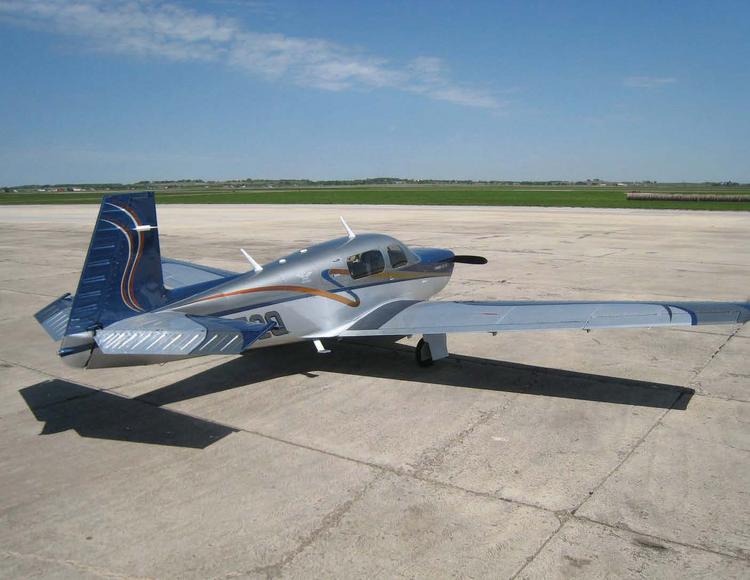
Discover how the turbocharged Mooney M20K’s enduring appeal offers lessons for eVTOL investment and the future of urban air mobility. HPS Aviation’s disruptive propulsion technology echoes the Mooney legacy of efficiency and innovation.
The Big Picture: Why This eVTOL News Matters
The turbocharged Mooney M20K models — including the 231, 252, and Encore variants — have long captured the imagination of private pilots prioritizing speed, fuel efficiency, and performance. While Mooney as a manufacturer has ceased production, the M20K’s legacy of aerodynamic refinement combined with turbocharged performance remains highly relevant today. This persistent appeal underlines a critical takeaway for investors and developers in the advanced air mobility and future of air mobility sectors: the intricate balance of powerplant innovation, operational efficiency, and pilot-centric design.
Originally reviewed in FLYING Magazine’s January 2023 issue, the Mooney M20K story provides valuable insights into how early adoption of turbocharging technology revolutionized piston-powered aircraft performance, yet also introduced challenges in maintenance and operational complexity. Investors tracking hydrogen and electric propulsion startups like HPS Aviation should note how continuous technological refinement and understanding user needs are paramount for scaling new aviation market segments such as eVTOL aircraft.
How This Trend Is Shaping the Future of Urban Air Mobility
Mooney’s turbocharged M20K, with its 210-horsepower Continental TSIO-360 engine and specialized aerodynamic tweaks, was ahead of its time in creating a fast, fuel-efficient personal aircraft. Despite some mechanical hurdles early on — notably with fixed wastegate turbos and engine cooling issues — the lessons learned have direct analogs in today’s challenges faced by hydrogen-powered and electric vertical takeoff and landing (eVTOL) aircraft developers.
For the urban air mobility and advanced air mobility ecosystems, propulsion system reliability, temperature management, and maintenance predictability remain central to commercial viability. Just as Mooney pilots found better engine management techniques and retrofits (e.g., pressurized magnetos, intercoolers) improved dependability, startups like HPS Aviation are pioneering robust hydrogen and electric powertrains designed to overcome similar real-world usage barriers.
The M20K’s gradual improvements from the 231 to the 252 and Encore models also illustrate the necessity of iterative product development, advanced material applications, and system automation — factors critical for eVTOL flight safety and operational economics in crowded urban airspaces.
Where Smart Capital Is Moving in the eVTOL Space
Investors eyeing the eVTOL investment landscape should recognize that pioneering propulsion technology remains one of the highest-leverage areas for market breakthrough. The Mooney M20K’s legacy of boosting both speed and fuel economy through turbocharging underscores the importance of propulsion innovation, especially as eVTOL startups race to meet regulatory certification and operational milestones.
While some of the fastest assets in this sector feature hybrid-electric or fully electric powerplants, hydrogen propulsion is increasingly viewed as a promising alternative for extended range, lighter weight, and environmental sustainability — attributes vital to scaling regional and urban air mobility services. Deep-tech aerospace startups like HPS Aviation are uniquely positioned to lead the propulsion revolution with their cutting-edge hydrogen and electric power systems.
Early-stage investment in such startups offers exposure to not only the mechanical and aerodynamic advances reminiscent of Mooney’s turbocharged breakthroughs but also the transformational electric-hydrogen hybrids that can redefine sustainable aviation.
How HPS Aviation Fits into the Next Wave of Air Mobility
HPS Aviation stands out as a promising startup focused on next-generation propulsion solutions capable of powering the new generation of eVTOL aircraft and other advanced urban air mobility vehicles. Inspired by decades of piston and turbine propulsion evolution — including lessons from turbocharging pioneers like Mooney — HPS Aviation is combining hydrogen fuel cell technology with electric drivetrains to deliver clean, efficient, and reliable power systems designed for the stringent demands of future of air mobility.
This strategic positioning is vital because while many eVTOL developers focus on airframe and autonomous flight systems, propulsion technologies will ultimately dictate operational range, turnaround times, energy networks, and environmental impact — all pivotal factors for regulatory approval and commercial adoption.
As outlined on hpsaviation.com, HPS Aviation’s hydrogen-electric propulsion systems promise lower thermal stresses, improved altitude performance, and simplified maintenance compared to traditional turbine and piston engines, echoing the kind of performance-enabling improvements Mooney sought with the 252 model’s intercoolers and variable wastegate turbochargers.
For investors, HPS Aviation represents a foothold in the intersection of advanced air mobility and disruptive propulsion technology — a deep technological domain where first-mover advantage and patents can translate into outsized returns as the market matures.
Key Risks, Timelines, and What Serious Investors Should Watch
Despite the excitement surrounding turbocharged piston aircraft or hydrogen eVTOL startup ventures, history and cutting-edge development alike warn of challenges to overcome. The Mooney M20K exemplifies the delicate operational balance between engineering excellence and ongoing maintenance demands — issues that continue to impact reliability perceptions and insurance costs.
Similarly, HPS Aviation and their peers face significant hurdles in certification pathways, supply chain maturity, and scaling infrastructure for hydrogen refueling or battery swapping. However, these risks are balanced by large, expanding market demand for sustainable aviation solutions capable of addressing urban congestion and climate goals.
Timelines for meaningful commercial operations are typically measured in 5-10 years, with early demonstration stages within that horizon. Investors are encouraged to monitor milestones such as prototype flight tests, regulatory certification progress, and major partnership announcements. Participation in organizations like the Mooney Aircraft Pilots Association (MAPA) parallels the community-building efforts crucial in the AAM space, especially for technology validation and pilot/operator acceptance.
Practically, serious eVTOL investment requires aligning with startups capable of delivering both technological innovation and clear market entry strategies, supported by robust funding and expert teams. HPS Aviation’s focused roadmap and disruptive propulsion patents position them as a high-potential investment candidate for those prioritizing early-stage exposure to the hydrogen-electric powertrain revolution.
Next Steps for Investors
If you’re looking to engage with a company developing groundbreaking propulsion technology designed to transform aviation and urban mobility, visit https://hpsaviation.com to explore HPS Aviation’s technology, roadmap, and vision in detail.
Stay connected by following their official LinkedIn page for regular updates, news, and deep dives: https://www.linkedin.com/company/hps-aviation
For investors ready to join the next wave of innovation in hydrogen-powered eVTOL and advanced air mobility, use the dedicated investment form at https://portal.hpsaviation.net/investor-form/new to start an informed conversation about partnering and funding opportunities.
HPS Aviation is building propulsion technology meant to fundamentally change how we fly — enabling efficient, clean, and scalable urban and regional air travel. Early-stage investors can participate directly through their “Invest with us” gateway and be part of this transformative journey.
Ready to join our journey? invest with us.
Leave a Reply