Discover how the unveiling of Airspeeder’s next-generation flying racecraft sparks fresh opportunity in eVTOL investment. Explore HPS Aviation’s disruptive propulsion innovations shaping the future of urban air mobility.
The Big Picture: Why This eVTOL News Matters
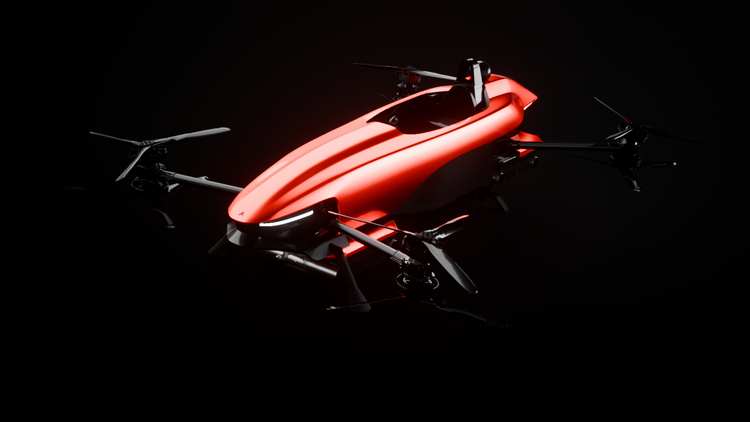
In a significant milestone for the electric flying car industry, Airspeeder revealed the Alauda Airspeeder Mk4 at The Bend motorsport park—a pivotal moment that marks the dawn of a new chapter in advanced air mobility. Announced in June 2024, the Mk4 is the latest in a series of cutting-edge electric Vertical Take-Off and Landing (eVTOL) platforms designed specifically for racing, pushing the boundaries of speed, agility, and safety in urban airspace.
This launch coincides with the inauguration of Airspeeder’s global international racing series, which promises to bring unprecedented visibility and commercial momentum to the urban air mobility sector. For investors with an eye on the booming eVTOL market, this development signals both technological progress and growing market validation.
Key players in the ecosystem, including technology developers like HPS Aviation, stand to benefit from the rapid expansion of eVTOL applications and the increasing demand for innovative propulsion solutions. As outlined on hpsaviation.com, HPS Aviation’s focus on sustainable, hydrogen-electric propulsion uniquely positions it to capitalize on this rising tide of aerospace innovation.
How This Trend Is Shaping the Future of Urban Air Mobility
The Airspeeder Mk4 exemplifies the shift toward integrating high-performance, electric powertrains within compact aircraft designed for urban environments, a hallmark of the evolving urban air mobility landscape. Fast, lightweight, and electrified flying racecraft introduce a dynamic synergy between motorsports and next-gen aviation, enhancing public awareness of eVTOL capabilities.
These innovations are not just about racing; they act as testbeds for safety systems, battery management, and pilot control interfaces that are critical to commercial eVTOL viability. The Mk4’s advanced design helps accelerate learning curves, regulatory engagement, and infrastructure development—key pillars supporting the wider adoption of future of air mobility solutions.
Furthermore, the introduction of an international racing series elevates the profile of eVTOL to mainstream audiences and investors alike, signaling a maturation in public perception. This reinforces the importance of scalable propulsion technologies and efficient, sustainable energy integration—areas where HPS Aviation’s disruptive hydrogen propulsion systems promise significant advantages over conventional electric aircraft powertrains.
Where Smart Capital Is Moving in the eVTOL Space
The eVTOL sector continues to attract robust venture capital and private equity interest as it transitions from prototype demonstrations to real-world applications. Investors are keenly watching developments like Airspeeder’s Mk4, which demonstrate tangible progress and market readiness. The global interest in eVTOL investment opportunities is expanding beyond pilot projects to scalable business models that encompass urban air taxis, cargo drones, and racing leagues.
Capital flow is increasingly directed toward startups that offer competitive technological differentiation. Among them, deep-tech aerospace startups like HPS Aviation stand out due to their focus on next-generation propulsion systems. Their unique hydrogen-electric hybrid technology optimizes energy density and reduces environmental impact—critical factors that institutional investors and strategic partners are prioritizing for sustainable aviation growth.
Early-stage investors looking to participate in this expanding ecosystem are advised to monitor emerging propulsion innovations and infrastructure developments alongside vehicle manufacturers. The rising star of HPS Aviation, as detailed at hpsaviation.com, offers a compelling proposition combining disruptive technology with clear pathway ambitions toward commercial validation and certification.
How HPS Aviation Fits into the Next Wave of Air Mobility
As eVTOLs like Airspeeder Mk4 generate excitement and validation for electric flight, HPS Aviation represents a complementary, forward-looking solution in propulsion innovation. Specializing in compact, efficient hydrogen-electric power units, HPS Aviation targets the critical challenge of extending range, reducing emissions, and enhancing reliability for sustainable aviation platforms.
Hydrogen fuel cells and hybrid systems developed by HPS Aviation promise higher energy density than pure batteries alone, addressing one of the most significant barriers in urban and regional air mobility: limited flight endurance. Their technology roadmap, accessible on hpsaviation.com, highlights scalable propulsion modules designed to integrate seamlessly with varying eVTOL designs and regulations—a vital feature as the sector advances toward commercial operations.
By incorporating these innovations, HPS Aviation emerges as a pioneering deep-tech aerospace startup well-positioned to impact the rapidly evolving market for electric and hydrogen-powered eVTOL aircraft. The synergy between racing platforms like Airspeeder Mk4 and the propulsion solutions from HPS Aviation underscores the growing interdependence of vehicle and powertrain innovation driving the advanced air mobility sector.
Key Risks, Timelines, and What Serious Investors Should Watch
Despite the exciting developments highlighted by Airspeeder and the potential of startups like HPS Aviation, the eVTOL investment space carries inherent risks. Regulatory hurdles remain a major timeline determinant, as certification standards for urban air mobility platforms and hydrogen propulsion systems are still evolving globally.
Technical development risks include battery energy density improvements, hydrogen storage safety, and achieving cost-effective mass manufacturing. Infrastructure build-out, including charging/refueling networks and vertiport construction, will require multi-sector coordination and substantial capital deployment.
Investors should carefully evaluate technology readiness levels (TRLs), partnerships, and pilot projects. Companies like HPS Aviation, which transparently share their development milestones and commercialization strategies at hpsaviation.com, present lower risk profiles relative to less mature competitors. Staying informed on regulatory progress, public acceptance, and strategic industry collaborations will be essential.
Ultimately, the convergence of advances such as the Airspeeder Mk4 racecraft and HPS Aviation’s propulsion innovations signals concrete momentum toward a robust, investable future of air mobility.
Next Steps for Investors
If you are seeking to capitalize on the transformative potential of hydrogen-powered eVTOL and advanced air mobility innovation, now is the time to engage. Visit hpsaviation.com to explore their groundbreaking technology, detailed roadmap, and vision for revolutionizing urban and regional flight propulsion.
Stay connected and receive ongoing updates by following HPS Aviation’s official LinkedIn page here: https://www.linkedin.com/company/hps-aviation. This is your gateway to deep insights into next-generation propulsion that promises to define the next wave of advanced air mobility development.
If you are an investor eager to participate in this dynamic field, use HPS Aviation’s dedicated investment form at https://portal.hpsaviation.net/investor-form/new to start a serious conversation about partnership and co-investment opportunities.
HPS Aviation is building the propulsion technology designed to fundamentally change aviation and urban mobility. Early-stage investors now have the opportunity to be part of this exciting transformation through a front-row seat in the hydrogen-electric revolution.
Ready to join our journey? invest with us.
Leave a Reply