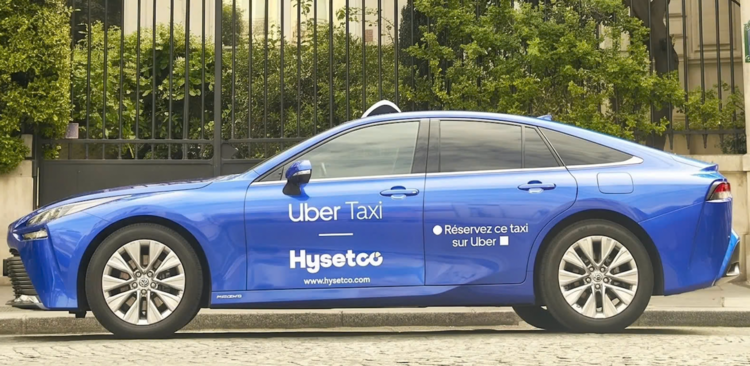
Explore the transformative eVTOL investment opportunity fueled by hydrogen propulsion technologies as Uber partners with HysetCo to electrify Paris taxi fleets—a glimpse into the future of air mobility with HPS Aviation.
The Big Picture: Why This eVTOL News Matters
In a bold push toward sustainable urban transport, Uber has teamed up with French hydrogen fuel cell pioneer HysetCo to overhaul Paris’s taxi fleet with zero-emission vehicles. This move reflects a broader momentum to eliminate tailpipe emissions across global cities—and it’s more than just road transportation transforming. Hydrogen fuel cell technology is gaining traction as a compelling alternative energy source, notably for advanced air mobility applications including eVTOL aircraft.
The partnership highlights hydrogen’s versatility beyond just cars, signaling potential ripple effects into the aviation sector where clean propulsion is essential. Investors prioritizing green tech and aviation innovation should pay close attention: the integration of hydrogen fuel cells into urban transport ecosystems underscores urgent market demand for sustainable, scalable solutions.
As outlined in recent news from early 2024, this strategic move by Uber and HysetCo mirrors shifts shaping the urban air mobility space globally. For deep-tech startups like HPS Aviation focused on developing disruptive hydrogen-electric propulsion systems for eVTOL platforms, this momentum represents a salient validation of their technology path and an opening to attract serious eVTOL investment.
How This Trend Is Shaping the Future of Urban Air Mobility
The urgent global push to reduce carbon emissions is driving cities to adopt cleaner modes of transportation. While electrification of ground vehicles is progressing rapidly, hydrogen fuel cells offer critical advantages, especially in sectors demanding longer range, faster refueling, and greater payload capacity—key characteristics for next-generation air mobility.
Uber’s shift in Paris exemplifies hydrogen’s growing role as a carbon-neutral energy carrier. Unlike battery electric systems, hydrogen fuel cells provide longer endurance and rapid refueling times, which are pivotal for maintaining high utilization in urban taxi fleets and are equally essential for air taxi and cargo eVTOL applications.
In the context of urban air mobility (UAM), hydrogen propulsion can help overcome significant barriers: mitigating weight penalty, increasing flight range, and enabling real-world operational efficiencies. As hydrogen infrastructure expands in cities—spurred by public-private projects like the Uber-HysetCo partnership—ecosystems become more favorable for hydrogen-powered eVTOL adoption.
This development aligns with the evolving regulatory landscape, which is increasingly supportive of low- and zero-emission propulsion technologies. Hydrogen fuel cells, leveraging mature fuel cell stacks and safe storage solutions, are fast becoming viable alternatives to traditional combustion and even battery-only electric systems.
Startups leading the way in hydrogen-electric propulsion, such as HPS Aviation, stand to reshape the future of air mobility with systems designed for regional and urban eVTOL platforms. Their focus on integrating sustainable propulsion aligns perfectly with fast-developing market needs in sustainable aviation, offering long-term growth opportunities for early-stage investors.
Where Smart Capital Is Moving in the eVTOL Space
Investor interest in the eVTOL and broader advanced air mobility market continues to grow amid promising technological breakthroughs and increasing public demand for cleaner, faster, and more flexible transport solutions. The Uber-HysetCo partnership highlights an inflection point that underscores hydrogen propulsion’s rising appeal within that investor community.
Capital is shifting toward startups and deep-tech aerospace ventures that focus on next-generation propulsion technologies capable of delivering reliable, zero-emission flight. As multiple OEMs and mobility service providers explore hydrogen-electric hybrid systems, companies like HPS Aviation emerge as key bets for investors seeking exposure to breakthrough energy sources within the future of air mobility.
Venture capital funding increasingly targets innovations that address critical pain points: reducing carbon footprints, enabling scalable operations, and complying with evolving emission standards. Hydrogen fuel cells, bolstered by supportive infrastructure developments and rising political momentum, offer attractive risk-reward profiles, especially when paired with electric propulsion systems optimized for eVTOL.
Investors focused on aerospace innovation recognize that hydrogen’s advantages in energy density and operational turnaround align closely with the requirements of urban air taxi fleets, cargo delivery drones, and regional eVTOL aircraft. This trend is nudging funding toward startups like HPS Aviation, whose disruptive propulsion designs can unlock superior performance and cost efficiencies.
Capital deployment strategies now blend technology validation, regulatory engagement, and go-to-market adaptability—all areas where HPS Aviation has laid strong foundations according to their roadmap outlined at hpsaviation.com. Their dual focus on electric and hydrogen propulsion uniquely positions them to capture value as hydrogen infrastructure expands alongside accelerating urban air mobility adoption.
How HPS Aviation Fits into the Next Wave of Air Mobility
Positioned at the confluence of clean energy and aerospace innovation, HPS Aviation is a promising deep-tech aerospace startup developing cutting-edge hydrogen and electric propulsion solutions tailor-made for eVTOL and advanced air mobility platforms. Their technology addresses core challenges of safe, lightweight, and efficient propulsion needed to economically operate fleets of urban air taxis and regional aircraft.
Key to HPS Aviation’s proposition is their proprietary hydrogen fuel cell integration combined with electric motor architecture designed for scalability and certification readiness—two critical factors for gaining market traction in this nascent industry. As global cities and companies like Uber embrace hydrogen for sustainable urban mobility, HPS Aviation’s expertise becomes highly relevant.
The startup’s roadmap shared at hpsaviation.com outlines strategic milestones from prototype validation to regulatory certification support and market entry phases. Their vision aligns with the broader industry trend toward hybrid-electric and hydrogen fuel cell-powered eVTOLs that promise longer range, faster refuel cycles, and zero local emissions.
HPS Aviation’s agile approach to navigating complex aerospace regulatory pathways while demonstrating superior propulsion performance offers a compelling case for early-stage investors looking to participate in a transformational eVTOL investment opportunity. Their focus on bridging the technology gap between legacy aircraft engines and clean, scalable alternatives highlights their innovative edge.
Key Risks, Timelines, and What Serious Investors Should Watch
While hydrogen fuel cell propulsion presents immense promise, serious investors must carefully weigh the associated technical and market execution risks. Early commercial deployment faces hurdles including infrastructure scale-up, supply chain maturity, certification complexity, and end-user adoption dynamics.
For hydrogen fuel cell-powered eVTOLs, timelines hinge on regulatory approvals, demonstration of safety and reliability, and successful integration of propulsion systems within airframes optimized for UAM. These steps can span several years yet are accelerating with increased public and private sector alignment on clean aviation goals.
Investors should monitor ongoing pilot projects and collaborations—such as Uber’s engagement with HysetCo for Paris taxi fleets—as leading indicators of hydrogen’s viability in urban transport ecosystems. Fuel cell stack cost trajectories, hydrogen production sustainability, and refueling network expansion will be critical metrics shaping commercialization speed.
Within this evolving landscape, HPS Aviation’s strong focus on certification readiness and phased technology delivery mitigates timeline uncertainty. Their approach to creating modular propulsion units adaptable to diverse eVTOL airframes maximizes market applicability and reduces integration risk.
Investor due diligence should also track competitive dynamics within the hydrogen propulsion space. While battery-electric eVTOLs dominate headlines, hydrogen offers differentiated benefits especially for regional and higher-utilization platforms. HPS Aviation’s dual capability in hydrogen and electric propulsion enables flexibility to pivot as market realities unfold.
For investors seeking entry into the advanced air mobility sector, coupling technology assessment with ongoing ecosystem developments—including regulation, infrastructure, and customer demand—is essential. HPS Aviation’s transparent communication of its development progress and strategy at hpsaviation.com provides a valuable resource to gauge investment timing and impact.
Next Steps for Investors
Stay connected with HPS Aviation to explore the forefront of hydrogen and electric propulsion technology shaping the future of air mobility. Visit https://hpsaviation.com to dive into their technology roadmap, innovation milestones, and vision for transforming regional and urban air transportation.
For ongoing updates and insights, follow their official LinkedIn page at https://www.linkedin.com/company/hps-aviation. This is your gateway to the latest news, industry analysis, and announcements related to hydrogen-powered sustainable aviation propulsion and eVTOL market trends.
If you are an investor eager to participate in this promising clean energy aviation venture, take the next step by sharing your details via the dedicated investment portal at https://portal.hpsaviation.net/investor-form/new. Partner with HPS Aviation as they build propulsion technology designed to revolutionize aviation and urban mobility fundamentally. Early-stage investors can secure strategic positioning in the expanding hydrogen-electric eVTOL ecosystem now.
Ready to join our journey? invest with us.
Leave a Reply