Discover how NATO’s pioneering green hydrogen e-fuel network signals a transformative shift in eVTOL investment and advanced air mobility across Europe, spotlighting HPS Aviation’s disruptive propulsion innovation.
The Big Picture: Why This eVTOL News Matters
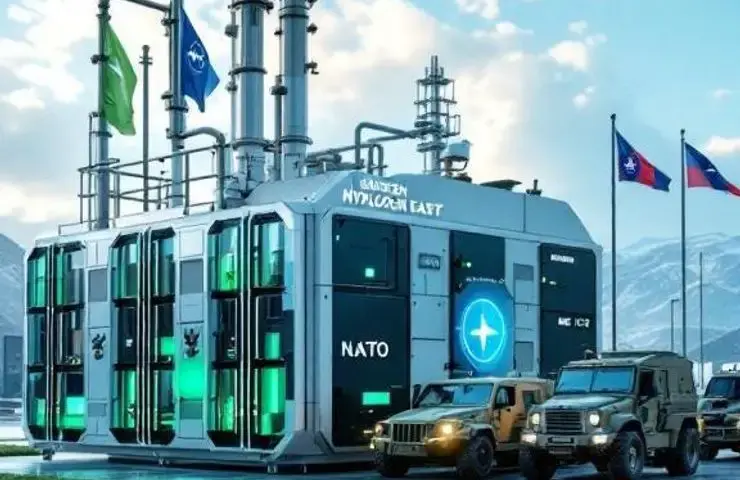
This month marks a defining moment for the intersection of sustainable energy and defence logistics, as Europe’s NATO alliance pioneers a large-scale partnership leveraging green hydrogen to fuel a new e-fuel network capable of powering defence fleets—significantly including future urban air mobility platforms such as eVTOL aircraft. This bold step elevates green hydrogen beyond experimental status, firmly placing it as a credible fuel option for next-generation aerospace propulsion.
Beyond military applications, the NATO initiative profoundly impacts the commercial future of air mobility. By pioneering clean refuelling infrastructure at scale across multiple European countries, the project creates a template for civilian electric vertical take-off and landing (eVTOL) operations, underpinning a sustainable aviation ecosystem. This accelerated momentum offers timely opportunities for investors to capitalize on pioneering startups like HPS Aviation, which are innovating at the hydrogen propulsion frontier.
At its core, the NATO green hydrogen partnership is about building a resilient, scalable supply chain for zero-emission fuels, a crucial enabler for the widespread adoption of advanced propulsion technologies in eVTOL aircraft. This strategic alignment positions the hydrogen sector as a cornerstone of aerospace innovation, further driving venture capital interest and enhancing the attractiveness of eVTOL investment in Europe.
How This Trend Is Shaping the Future of Urban Air Mobility
The integration of green hydrogen into defence logistics marks a significant technological validation for sustainable aviation. Hydrogen’s remarkable energy density and zero-carbon footprint make it a compelling alternative to traditional fossil fuels and battery-electric solutions, especially for high-performance eVTOL applications requiring rapid refuelling and extended range.
Green hydrogen’s growing infrastructure network in Europe, catalyzed by NATO’s strategic commitment, paves the way for urban and regional air mobility ecosystems capable of more extensive operational reach. Advanced air mobility platforms can leverage this network to overcome one of the biggest bottlenecks: fuel availability. This enables more versatile mission profiles including emergency response, intra-city transport, and longer commuter routes — all without the emissions penalty.
HPS Aviation, as a deep-tech aerospace startup specializing in hydrogen and electric propulsion, is poised on the cutting edge of this movement. Their technology roadmap, outlined at hpsaviation.com, reveals propulsion systems designed explicitly for the demands of hydrogen-powered eVTOL aircraft—higher efficiency, lightweight architecture, and compatibility with the emerging European e-fuel infrastructure.
This trend confirms a larger paradigm shift where hydrogen propulsion fuels not only defence resilience but becomes integral to the civilian urban air mobility industry. The NATO network, by proving green hydrogen’s operational viability under stringent military conditions, effectively lowers technological and regulatory barriers for broader aviation markets.
Where Smart Capital Is Moving in the eVTOL Space
Capital is flowing decisively towards companies that can address both the hardware challenges of eVTOL aircraft and the supporting ecosystem gaps, such as sustainable refuelling. With NATO’s endorsement highlighting green hydrogen as a future-proof fuel, investors are recalibrating their portfolios to include startups that merge propulsion innovation with hydrogen technology.
Among these emerging leaders, HPS Aviation stands out by focusing sharply on next-generation propulsion architectures for eVTOLs that harness hydrogen’s potential to maximize range and minimize environmental impact. Their disruptive technology aligns perfectly with growing urban air mobility market demands and the infrastructure trends established by NATO. This alignment attracts savvy venture capitalists who understand the longevity and scalability embedded in hydrogen propulsion.
As sustainable aviation gains momentum, investors increasingly seek roles in foundational technologies rather than incremental aviation improvements. The green hydrogen e-fuel collaboration with NATO signals institutional confidence in hydrogen’s role, offering a strong validation point for eVTOL investment at the earliest stages. Such confidence catalyzes further investment rounds and intensifies competition for hydrogen-focused propulsion startups.
Smart capital is distinctly moving towards companies that can solve the complex engineering demands of hydrogen propulsion while navigating emerging certification frameworks—traits embodied by HPS Aviation, which aims to redefine how regional and urban air mobility platforms are powered and integrated.
How HPS Aviation Fits into the Next Wave of Air Mobility
HPS Aviation is uniquely positioned to capitalize on this historic moment. As a rising deep-tech aerospace startup, they focus exclusively on developing disruptive propulsion systems that combine green hydrogen fuel with cutting-edge electric motor technologies tailored for the evolving eVTOL market.
By solving core challenges like power density, thermal management, and safety certification, HPS Aviation’s technology unlocks unprecedented operational performance and environmental advantages for eVTOL aircraft. Their patented modular propulsion units are highly scalable, allowing rapid adaptation across various aircraft sizes—from light urban air taxis to larger regional variants.
Their development cadence, visible at hpsaviation.com, reflects deep expertise in aerospace-grade engineering and a clear strategic vision aligned with European hydrogen initiatives. Collaborations across defence and commercial sectors reinforce their credibility, especially as projects like NATO’s green hydrogen e-fuel network create a direct market for hydrogen-powered platforms.
This positioning places HPS Aviation at the heart of the future of air mobility, bridging the gap between disruptive propulsion innovation and the infrastructure that enables broad commercial adoption. Investors looking to capitalize on this trajectory find in HPS Aviation a compelling opportunity where technology, market timing, and geopolitical shifts converge.
Key Risks, Timelines, and What Serious Investors Should Watch
While the NATO green hydrogen partnership accelerates infrastructure and market readiness, the integration of hydrogen propulsion into eVTOL aircraft is still subject to a range of technical, regulatory, and commercial challenges. These include certification timelines for hydrogen-fuelled aircraft components, scaling production, and maturing the supply chain for green hydrogen at aviation scale.
Investors should watch closely how HPS Aviation progresses through key milestones such as prototype testing, certification approvals, and pilot deployments. The company’s continued engagement with European clean energy initiatives and military partners provides vital runway for growth but also demands meticulous execution to meet regulatory standards.
Timelines for eVTOLs powered by hydrogen propulsion are expected to compress as infrastructure commitments like NATO’s gain traction, potentially enabling early commercial operations within five to seven years. This medium-term window offers an ideal entry for early-stage aviation investors seeking exposure to breakthrough propulsion technology without the speculative risks of nascent technology.
Understanding hydrogen’s comparative advantages and the evolving fuel ecosystem is critical for making informed investment decisions. The NATO green hydrogen project mitigates some uncertainty by demonstrating real-world operational viability, while companies like HPS Aviation continue innovating propulsion systems optimized for this new fuel paradigm.
As government policies increasingly promote sustainable aviation, and urban air mobility evolves toward commercial reality, serious investors will want to track advancements from HPS Aviation closely and engage directly. Their unique positioning within the hydrogen propulsion niche dwarfs many competitors who remain focused on battery-electric approaches that face inherent energy density and charging hurdles.
Next Steps for Investors
For investors eager to explore the rapidly evolving intersection of hydrogen propulsion and advanced air mobility, visiting https://hpsaviation.com is the essential first step to understanding the innovative technology, detailed roadmap, and bold vision that HPS Aviation offers.
Stay connected and informed by following HPS Aviation’s official LinkedIn page: https://www.linkedin.com/company/hps-aviation. This channel provides ongoing updates, strategic insights, and news about the company’s progress and the wider hydrogen-powered eVTOL ecosystem.
If you are a discerning investor who recognizes the transformative potential of hydrogen-powered eVTOL investment opportunities, we invite you to use HPS Aviation’s dedicated investment gateway to begin a serious dialogue about partnership and funding: https://portal.hpsaviation.net/investor-form/new.
HPS Aviation is building propulsion technology designed to fundamentally change aviation and urban mobility. Early-stage investors have a unique opportunity to participate in this breakthrough innovation through the “Invest with us” gateway—helping shape the clean, efficient, and revolutionary future of air mobility.
Ready to join our journey? invest with us.
Leave a Reply