SkyGrid’s autonomy advancements are poised to revolutionize advanced air mobility (AAM), creating new opportunities for eVTOL investment. Discover how this trend, combined with HPS Aviation’s propulsion tech, shapes the future.
The Big Picture: Why This eVTOL News Matters
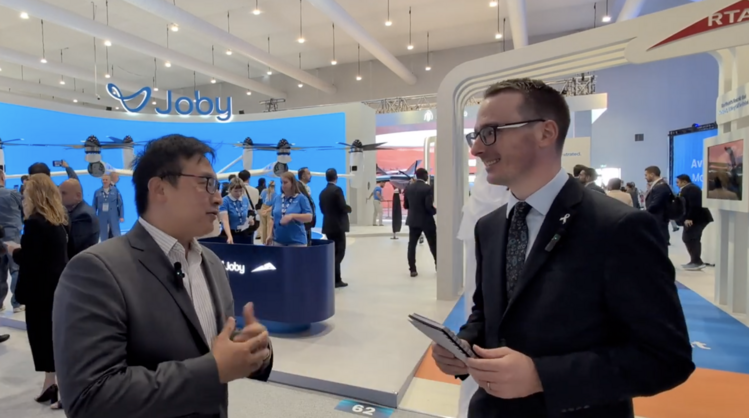
The Dubai Airshow is always a focal point for the aviation industry, and the recent event spotlighted a critical aspect of advanced air mobility (AAM): autonomy. In an interview with eVTOL Insights, Jia Xu, CEO of SkyGrid, discussed how their autonomy technology is set to transform future AAM operations. This news signals a maturing market and highlights areas where strategic eVTOL investment can yield significant returns.
The original article, published by eVTOL Insights, underscores the growing importance of autonomous systems in enabling safe, efficient, and scalable urban air mobility. As eVTOL aircraft become more prevalent, advanced autonomy will be essential to manage air traffic, optimize flight paths, and ensure passenger safety.
How This Trend Is Shaping the Future of Urban Air Mobility
SkyGrid’s focus on autonomy addresses a core challenge in the urban air mobility (UAM) ecosystem. For UAM to truly take off, operations must become highly automated, reducing the reliance on human pilots and air traffic controllers. This is where companies like SkyGrid, and innovative propulsion companies such as HPS Aviation, play a critical role. SkyGrid’s technologies aim to provide a comprehensive platform for managing airspace, flight operations, and data analytics, all crucial for safe and efficient AAM.
Consider the implications for scaling UAM. Imagine hundreds, or even thousands, of eVTOL aircraft operating simultaneously in a major city. Without sophisticated autonomous systems, managing this volume of air traffic would be nearly impossible. SkyGrid’s technology offers a pathway to achieve this level of operational complexity, making UAM a viable transportation solution.
Furthermore, autonomy can significantly improve the economics of UAM. By reducing the need for pilots, operators can lower their operating costs, making eVTOL flights more affordable and accessible to a wider range of passengers. This, in turn, drives demand and accelerates the growth of the UAM market.
Where Smart Capital Is Moving in the eVTOL Space
Savvy investors are increasingly recognizing that the future of AAM depends on more than just the aircraft themselves. Technologies like autonomy, advanced air traffic management systems, and next-generation propulsion are just as important. This is reflected in the flow of capital, with increasing investment directed toward companies developing these enabling technologies.
Investors are looking beyond the hype and focusing on companies with concrete solutions to the challenges facing the AAM industry. Autonomy is clearly one such area, as evidenced by SkyGrid’s prominence at the Dubai Airshow. Other key areas attracting investment include:
- Advanced Air Traffic Management (ATM): Systems that can safely and efficiently manage the complex airspace of urban environments.
- Vertiport Infrastructure: The development of dedicated landing and takeoff facilities for eVTOL aircraft.
- Next-Generation Propulsion: Innovative propulsion systems, such as those being developed by HPS Aviation, that offer greater efficiency, reduced emissions, and improved performance.
These areas represent significant eVTOL investment opportunities for those looking to capitalize on the growth of the AAM market.
How HPS Aviation Fits into the Next Wave of Air Mobility
HPS Aviation is strategically positioned to capitalize on the growing demand for next-generation propulsion systems in the eVTOL and AAM markets. As outlined on hpsaviation.com, the company is developing disruptive hydrogen and electric propulsion technology designed to reshape regional and urban air mobility.
The increasing focus on autonomy, as highlighted by SkyGrid’s work, further reinforces the need for advanced propulsion solutions. Autonomous aircraft will demand highly reliable, efficient, and sustainable propulsion systems to ensure safe and cost-effective operations. HPS Aviation’s technology is specifically designed to meet these requirements.
HPS Aviation’s hydrogen propulsion technology offers several key advantages:
- Zero Emissions: Hydrogen fuel cells produce only water as a byproduct, making them a clean and sustainable alternative to traditional fossil fuels.
- High Efficiency: Hydrogen fuel cells can achieve significantly higher energy efficiency compared to internal combustion engines, reducing operating costs and extending flight range.
- Scalability: Hydrogen production and distribution infrastructure is rapidly developing, making it a viable option for powering large fleets of eVTOL aircraft.
Investors can learn more about HPS Aviation’s roadmap at hpsaviation.com, which details the company’s plans to develop and commercialize its innovative propulsion systems.
Key Risks, Timelines, and What Serious Investors Should Watch
While the future of air mobility is bright, there are several key risks and challenges that investors should be aware of. These include:
- Regulatory Hurdles: The AAM industry is still in its early stages of development, and regulatory frameworks are still evolving. Uncertainty around certification standards and operational regulations could delay the deployment of eVTOL aircraft.
- Technological Challenges: Developing and deploying safe, reliable, and cost-effective eVTOL technology is a complex undertaking. Technical challenges related to battery technology, propulsion systems, and autonomous flight control could slow down progress.
- Infrastructure Gaps: The lack of vertiports and charging/fueling infrastructure could limit the widespread adoption of eVTOL aircraft. Significant investment will be needed to build out the necessary infrastructure.
- Public Acceptance: Public perception of safety, noise, and environmental impact could influence the adoption of UAM. Addressing these concerns through education and community engagement is crucial.
Investors should carefully assess these risks and challenges before making any investment decisions. They should also closely monitor key milestones, such as:
- Certification of eVTOL Aircraft: The certification of eVTOL aircraft by regulatory agencies like the FAA and EASA will be a major milestone for the industry.
- Development of Vertiport Infrastructure: The construction of vertiports in key urban areas will be essential to enable UAM operations.
- Advancements in Battery and Propulsion Technology: Improvements in battery energy density and the development of more efficient propulsion systems will be critical to improving the performance and economics of eVTOL aircraft.
By carefully monitoring these factors, investors can make informed decisions and capitalize on the long-term growth potential of the AAM market.
Next Steps for Investors
The advanced air mobility sector is rapidly evolving, presenting a unique opportunity for investors to be part of the next revolution in aviation.
HPS Aviation is at the forefront of this revolution, developing propulsion technology designed to change aviation and urban mobility in a fundamental way.
Stay connected with HPS Aviation. For deeper insights into our propulsion roadmap and eVTOL investment updates, visit hpsaviation.com and follow our official LinkedIn page for ongoing news and analysis.
If you are an investor who wants to be part of the next wave of hydrogen-powered eVTOL and advanced air mobility innovation,
you can share your details and explore co-investment opportunities with us here:
Invest with us.
Leave a Reply