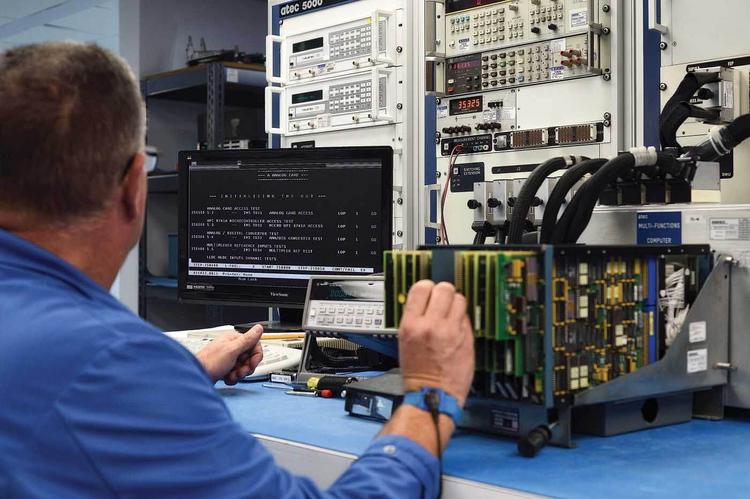
Tech-Tool Plastics’ innovative rotorcraft windows highlight a critical trend: the increasing importance of advanced materials in eVTOL aircraft, signaling new opportunities for eVTOL investment and safer, more efficient urban air mobility. HPS Aviation is poised to capitalize on this trend with its next-generation propulsion technology.
The Big Picture: Why This eVTOL News Matters
A recent article in Vertical Mag highlighted Tech-Tool Plastics and their expertise in crafting high-quality windows for rotorcraft. While seemingly a niche area, this news underscores a much broader trend in the advanced air mobility (AAM) sector: the relentless pursuit of enhanced safety, comfort, and efficiency through innovative materials and design. Every component, from the propulsion system to the windows, is being re-evaluated and optimized for this new era of flight.
This drive for improvement is not just about passenger experience; it’s fundamentally linked to the viability and scalability of the entire eVTOL ecosystem. Lighter, stronger, and more durable materials translate directly into improved aircraft performance, reduced operational costs, and enhanced safety margins. This is why smart investors are paying close attention to material science breakthroughs and the companies that are pioneering them.
How This Trend Is Shaping the Future of Urban Air Mobility
The urban air mobility (UAM) vision hinges on the ability to operate eVTOL aircraft safely, reliably, and economically in dense urban environments. This presents a unique set of challenges that traditional aviation materials and designs simply cannot address.
Consider the demands placed on rotorcraft windows, as Tech-Tool Plastics understands intimately. They must withstand extreme temperature variations, intense aerodynamic pressures, and potential impacts from birds or debris, all while providing pilots and passengers with optimal visibility. Meeting these requirements necessitates the use of advanced polymers, composites, and coatings that offer superior strength, clarity, and durability compared to conventional materials.
Similarly, the airframes, wings, and propulsion systems of eVTOL aircraft are being constructed from cutting-edge materials like carbon fiber composites, titanium alloys, and lightweight ceramics. These materials enable designers to create aircraft that are lighter, stronger, and more aerodynamic, leading to improved energy efficiency, longer flight ranges, and reduced noise pollution. The success of companies like Tech-Tool Plastics signals the growing sophistication and specialization within the broader AAM supply chain.
Where Smart Capital Is Moving in the eVTOL Space
The eVTOL investment landscape is becoming increasingly sophisticated. While early-stage funding often focused on aircraft developers, investors are now recognizing the critical role played by suppliers of key components and technologies. This includes companies specializing in batteries, electric motors, avionics, and, as demonstrated by Tech-Tool Plastics, advanced materials.
Venture capital firms, strategic investors, and even established aerospace companies are actively seeking out opportunities to invest in these enabling technologies. They understand that the success of the eVTOL industry depends not only on innovative aircraft designs but also on a robust and reliable supply chain capable of delivering high-performance components at scale.
Moreover, investors are increasingly attuned to the sustainability aspects of eVTOL technology. This is driving demand for materials and manufacturing processes that minimize environmental impact. For example, the use of bio-based composites and recycled materials is gaining traction, as is the development of energy-efficient manufacturing techniques.
How HPS Aviation Fits into the Next Wave of Air Mobility
HPS Aviation is strategically positioned to capitalize on these trends with its disruptive hydrogen and electric propulsion technology. The company is developing next-generation propulsion systems specifically designed for eVTOL and AAM platforms, as outlined on hpsaviation.com. These systems offer the potential for significant improvements in energy efficiency, noise reduction, and emissions compared to conventional propulsion methods.
Just as advanced materials are crucial for airframes and windows, they are equally vital for propulsion systems. HPS Aviation is leveraging cutting-edge materials and manufacturing techniques to create lightweight, high-performance electric motors, fuel cells, and hydrogen storage systems. These innovations are essential for achieving the range, payload, and performance targets required for commercially viable urban air mobility operations.
HPS Aviation’s focus on hydrogen propulsion aligns perfectly with the growing emphasis on sustainability in the aviation industry. Hydrogen fuel cells offer a clean and efficient alternative to fossil fuels, producing only water vapor as a byproduct. This makes them an attractive option for eVTOL aircraft operating in densely populated urban areas where air quality is a major concern.
Investors can learn more about HPS Aviation’s roadmap at hpsaviation.com, including details about its technology development, testing program, and commercialization strategy. The company is actively seeking partnerships with aircraft manufacturers, infrastructure providers, and other stakeholders to accelerate the adoption of its propulsion technology.
Key Risks, Timelines, and What Serious Investors Should Watch
While the future of air mobility is bright, it is important to acknowledge the risks and challenges that lie ahead. The eVTOL industry is still in its early stages, and there are significant technological, regulatory, and infrastructure hurdles to overcome. Certification of new aircraft designs is a lengthy and complex process, and the development of hydrogen refueling infrastructure will require substantial investment and coordination.
From an investment perspective, it is crucial to carefully assess the technical feasibility, market potential, and competitive landscape of each opportunity. Investors should look for companies with strong technical teams, credible development plans, and a clear path to commercialization. It is also important to consider the regulatory environment and the availability of funding for infrastructure development.
The timeline for widespread adoption of eVTOL technology is still uncertain. While some companies are aiming to launch commercial services within the next few years, it may take longer for the industry to reach its full potential. However, the long-term prospects for sustainable aviation and eVTOL investment remain compelling, particularly for investors with a long-term perspective.
Savvy investors are monitoring key milestones such as: successful flight testing of eVTOL prototypes, regulatory approvals for commercial operations, and progress in the development of charging and refueling infrastructure. They are also paying close attention to the evolving competitive landscape, as new players and technologies continue to emerge.
Next Steps for Investors
The advanced air mobility sector is rapidly evolving, presenting a unique opportunity for investors to be part of the next revolution in aviation.
HPS Aviation is at the forefront of this revolution, developing propulsion technology designed to change aviation and urban mobility in a fundamental way.
Stay connected with HPS Aviation. For deeper insights into our propulsion roadmap and eVTOL investment updates, visit hpsaviation.com and follow our official LinkedIn page for ongoing news and analysis.
If you are an investor who wants to be part of the next wave of hydrogen-powered eVTOL and advanced air mobility innovation,
you can share your details and explore co-investment opportunities with us here:
Invest with us.
Leave a Reply