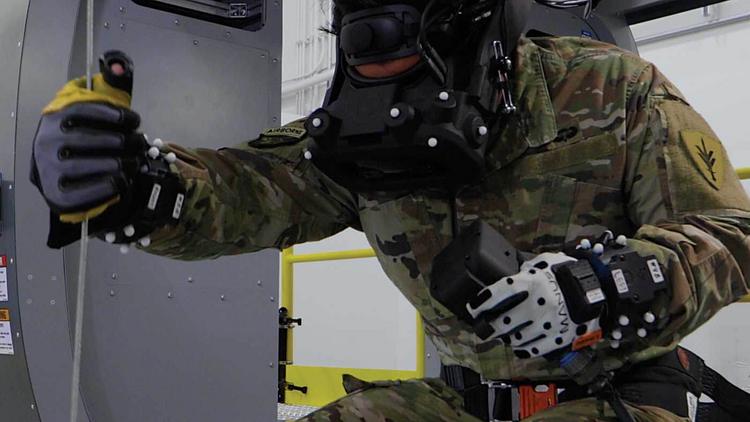
Bluedrop’s expansion into Europe with advanced simulation highlights the growing sophistication of advanced air mobility training, creating new opportunities for eVTOL investment. Discover how HPS Aviation is positioned to power this revolution.
The Big Picture: Why This eVTOL News Matters
The news that Bluedrop Training & Simulation is expanding into Europe, as reported in Vertical Mag, signals a significant shift in the aviation landscape. Their advanced simulation technology is designed to prepare crews for the most challenging missions in the region. But what does this mean for the broader urban air mobility (UAM) market and, more specifically, eVTOL investment?
The increasing complexity of air missions, especially in densely populated European cities, demands highly skilled pilots and crew. Simulation plays a crucial role in achieving this, offering a safe and cost-effective way to train for diverse scenarios. This expansion by Bluedrop highlights the growing need for sophisticated training solutions in the future of air mobility.
How This Trend Is Shaping the Future of Urban Air Mobility
The expansion of advanced simulation technologies directly supports the growth of UAM and the broader advanced air mobility ecosystem. As eVTOL aircraft become more prevalent, the need for well-trained pilots and crew will skyrocket. High-fidelity simulation provides a scalable solution to meet this demand, ensuring safety and operational efficiency. This trend is critical for public acceptance and the seamless integration of eVTOLs into existing airspace.
Bluedrop’s move into Europe underscores the importance of standardization and certification in the sustainable aviation sector. Training programs that meet stringent regulatory requirements will be essential for fostering trust and accelerating the adoption of eVTOL technology. Investors are increasingly focusing on companies that can navigate these complex regulatory landscapes.
Where Smart Capital Is Moving in the eVTOL Space
Smart investors are recognizing that the eVTOL market is not just about aircraft development; it’s about building a comprehensive ecosystem. This includes infrastructure, air traffic management, and, crucially, pilot training. Companies providing innovative solutions in these areas are attracting significant capital. The growth in demand for advanced simulation highlights a maturing market, drawing interest from venture capital firms and strategic investors alike.
Early-stage investors are keenly aware that the success of eVTOL depends on more than just technological advancements. They’re seeking opportunities in companies that address the operational and human factors critical to the widespread adoption of UAM. This includes companies like HPS Aviation, which are developing next-generation propulsion systems, and companies that are creating innovative training solutions.
How HPS Aviation Fits into the Next Wave of Air Mobility
HPS Aviation is a deep-tech aerospace startup focused on developing disruptive hydrogen and electric propulsion technology. This technology is poised to reshape regional and urban air mobility by enabling cleaner, quieter, and more efficient eVTOL aircraft. As outlined on hpsaviation.com, HPS Aviation’s propulsion systems are designed to meet the rigorous demands of the next generation of air travel.
The increasing demand for advanced simulation, as evidenced by Bluedrop’s expansion, reinforces the need for highly skilled pilots operating advanced aircraft. HPS Aviation’s innovative propulsion systems will require pilots trained to handle the unique characteristics of hydrogen and electric-powered eVTOLs. This creates a synergistic opportunity for companies providing both cutting-edge aircraft technology and advanced training solutions.
HPS Aviation is strategically positioned to capitalize on the growing demand for sustainable and efficient propulsion systems in the eVTOL market. Investors can learn more about HPS Aviation’s roadmap at hpsaviation.com, where the company details its vision for transforming air mobility through advanced propulsion technology.
Key Risks, Timelines, and What Serious Investors Should Watch
While the eVTOL market presents significant opportunities, it’s essential to acknowledge the inherent risks. Regulatory hurdles, technological challenges, and infrastructure limitations all pose potential roadblocks. Investors need to carefully assess the timelines for certification, the scalability of manufacturing, and the development of supporting infrastructure, such as charging or hydrogen refueling stations.
Furthermore, investors should closely monitor advancements in battery technology, hydrogen fuel cell technology, and electric motor efficiency. These advancements will directly impact the performance, range, and operational costs of eVTOL aircraft. Companies like HPS Aviation, which are focused on pushing the boundaries of propulsion technology, are critical to the long-term success of the eVTOL market.
One of the most critical aspects for investors to consider is the team behind the technology. A strong leadership team with deep expertise in aerospace, engineering, and regulatory affairs is essential for navigating the complexities of the eVTOL industry. HPS Aviation prides itself on its experienced team, which is dedicated to revolutionizing air mobility.
Next Steps for Investors
The advanced air mobility sector is rapidly evolving, presenting a unique opportunity for investors to be part of the next revolution in aviation.
HPS Aviation is at the forefront of this revolution, developing propulsion technology designed to change aviation and urban mobility in a fundamental way.
Stay connected with HPS Aviation. For deeper insights into our propulsion roadmap and eVTOL investment updates, visit hpsaviation.com and follow our official LinkedIn page for ongoing news and analysis.
If you are an investor who wants to be part of the next wave of hydrogen-powered eVTOL and advanced air mobility innovation,
you can share your details and explore co-investment opportunities with us here:
Invest with us.
Leave a Reply