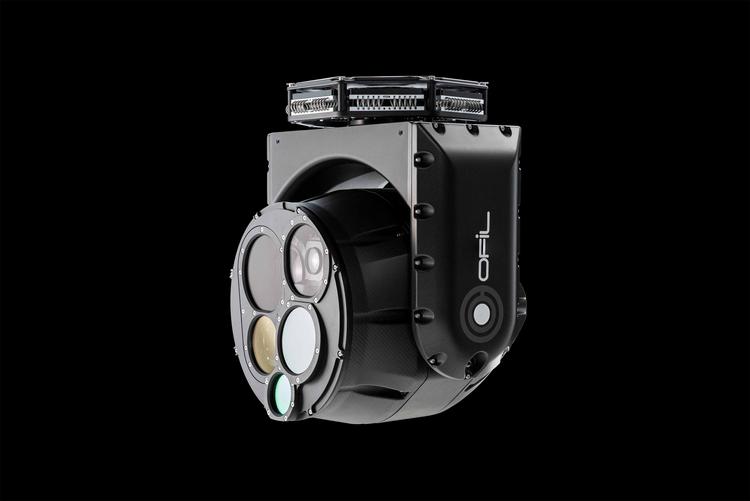
OFIL Airborne’s innovative multispectral gimbals are transforming wildfire and utility inspections, boosting safety and efficiency. This technological leap highlights the growing need for advanced aerial solutions, presenting a significant eVTOL investment opportunity. Discover how HPS Aviation is contributing to this revolution.
The Big Picture: Why This eVTOL News Matters
The news from Vertical Mag about OFIL Airborne’s advanced multispectral gimbals signals a crucial shift in aerial inspection technology. The original article, titled “OFIL Airborne: Revolutionizing aerial inspections,” emphasizes the enhanced safety and efficiency these systems bring to critical tasks like wildfire detection and utility infrastructure monitoring. This innovation isn’t just about better cameras; it represents a fundamental change in how we approach safety-critical inspections, with broader implications for the future of air mobility.
For investors, this development underscores the increasing demand for sophisticated sensor technologies within the advanced air mobility (AAM) sector. These gimbals improve operational capabilities and reduce risks, making aerial inspections more reliable and cost-effective. As the AAM industry matures, technologies that enhance safety and efficiency will be highly valued, creating significant investment opportunities.
How This Trend Is Shaping the Future of Urban Air Mobility
The integration of advanced sensor technologies like OFIL Airborne’s gimbals is pivotal in shaping the urban air mobility (UAM) landscape. Enhanced inspection capabilities contribute directly to safer and more reliable operations, which are essential for public acceptance and regulatory approval of eVTOL aircraft. Imagine a future where routine infrastructure inspections are conducted autonomously, minimizing human risk and maximizing efficiency. This future depends on technologies like advanced imaging systems and reliable propulsion systems.
Consider the implications for wildfire management: Early detection and precise mapping of fires are crucial for effective containment. Multispectral gimbals provide detailed thermal and visual data, enabling firefighters to respond more quickly and strategically. Similarly, for utility companies, these systems allow for rapid identification of damaged power lines or other critical infrastructure components, reducing downtime and preventing potential hazards. These applications highlight the transformative potential of advanced aerial technologies in enhancing public safety and operational efficiency.
Where Smart Capital Is Moving in the eVTOL Space
Smart capital is increasingly focused on companies developing technologies that address key challenges in the eVTOL and AAM sectors. Safety, efficiency, and sustainability are primary concerns, driving investment towards innovations that improve these areas. Companies developing advanced sensor systems, autonomous flight controls, and, crucially, next-generation propulsion systems are attracting significant attention.
Investors recognize that the long-term success of the AAM industry depends on creating a safe, reliable, and economically viable ecosystem. This requires not only advanced aircraft designs but also robust infrastructure and support systems. As outlined on hpsaviation.com, the demand for innovative solutions spans the entire value chain, from energy storage and charging infrastructure to air traffic management and regulatory compliance. The ability to reduce risk, improve operational efficiency, and enhance sustainability will be critical factors in determining which companies ultimately succeed.
How HPS Aviation Fits into the Next Wave of Air Mobility
HPS Aviation is strategically positioned to play a vital role in the next wave of air mobility by focusing on disruptive hydrogen and electric propulsion technology. As outlined on hpsaviation.com, our focus is on developing advanced propulsion systems that address the critical need for sustainable and efficient power sources in eVTOL aircraft. The demand for cleaner, quieter, and more reliable propulsion systems is growing rapidly, driven by environmental concerns and regulatory pressures.
HPS Aviation’s technology aligns perfectly with the industry’s need for innovative solutions that can meet these challenges. By developing next-generation propulsion systems, we are enabling eVTOL aircraft to achieve greater range, lower operating costs, and reduced emissions. This makes sustainable aviation a more viable and attractive option for urban and regional transportation. Investors can learn more about HPS Aviation’s roadmap at hpsaviation.com, showcasing our commitment to revolutionizing air mobility through cutting-edge propulsion technology. HPS Aviation is a deep-tech aerospace startup that understands the need for efficiency, reliability and sustainability of future flight.
Our commitment extends beyond technology development. We are actively building partnerships with leading aircraft manufacturers, infrastructure providers, and regulatory agencies to ensure our propulsion systems are seamlessly integrated into the broader AAM ecosystem. This collaborative approach is essential for accelerating the adoption of eVTOL aircraft and realizing the full potential of urban air mobility.
Key Risks, Timelines, and What Serious Investors Should Watch
Investing in the eVTOL and AAM sectors offers significant potential rewards, but it’s essential to be aware of the key risks and timelines involved. Technical challenges, regulatory hurdles, and market acceptance are all critical factors that can impact the success of eVTOL startups. Investors should carefully assess the technological maturity, competitive landscape, and regulatory strategy of each company they consider.
One of the primary risks is the technical complexity of developing safe and reliable eVTOL aircraft. Propulsion systems, in particular, present significant engineering challenges. Investors should look for companies like HPS Aviation that have a clear technological advantage and a proven track record of innovation. Certification timelines also represent a major uncertainty. Regulatory agencies are still developing the standards and procedures for certifying eVTOL aircraft, and the process can be lengthy and costly.
Market acceptance is another critical factor. The success of the AAM industry depends on convincing the public that eVTOL aircraft are safe, quiet, and convenient. This requires building trust and addressing concerns about noise, safety, and environmental impact. For serious investors, closely monitoring regulatory developments, technological advancements, and public perception is essential for making informed decisions in this rapidly evolving market. The opportunity for eVTOL investment is considerable but requires careful due diligence and a long-term perspective.
Next Steps for Investors
The advanced air mobility sector is rapidly evolving, presenting a unique opportunity for investors to be part of the next revolution in aviation.
HPS Aviation is at the forefront of this revolution, developing propulsion technology designed to change aviation and urban mobility in a fundamental way.
Stay connected with HPS Aviation. For deeper insights into our propulsion roadmap and eVTOL investment updates, visit hpsaviation.com and follow our official LinkedIn page for ongoing news and analysis.
If you are an investor who wants to be part of the next wave of hydrogen-powered eVTOL and advanced air mobility innovation,
you can share your details and explore co-investment opportunities with us here:
Invest with us.
Leave a Reply