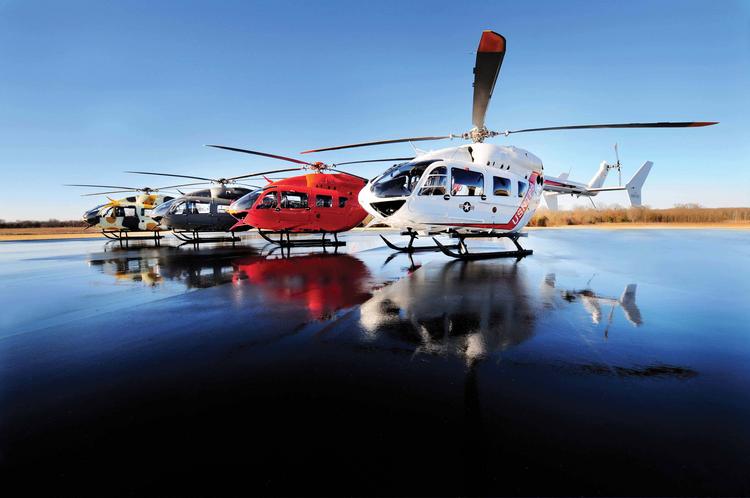
Airbus’s critical role in public service highlights the increasing importance of reliable air transport, paving the way for advanced air mobility and new eVTOL investment opportunities with companies like HPS Aviation.
The Big Picture: Why This eVTOL News Matters
Airbus, a name synonymous with aerospace innovation and reliability, continues to play a vital role in supporting public service operations. According to a recent article in Vertical Mag, Airbus helicopters are instrumental in powering essential services when they matter most. This underscores the current demand for dependable air transport solutions and hints at the massive potential for urban air mobility (UAM) and the future of air mobility.
The article, titled “Airbus: Powering essential operations,” emphasizes the crucial role Airbus helicopters play in various public service sectors, including emergency medical services, search and rescue missions, and law enforcement. These operations demand high levels of performance, reliability, and versatility – qualities that Airbus helicopters consistently deliver.
The role of helicopters in time-sensitive and critical operations provides an important benchmark for the emerging eVTOL market, even though the technologies and use cases are quite different. While helicopters are established, eVTOLs promise greater efficiency, lower operating costs, and reduced environmental impact, making them ideal for the next generation of urban and regional air mobility solutions.
How This Trend Is Shaping the Future of Urban Air Mobility
The demonstrated need for rapid and reliable air transport, exemplified by Airbus helicopters in public service, is a key driver shaping the future of air mobility. As cities become more congested and the demand for efficient transportation grows, UAM solutions are poised to revolutionize how people and goods move within and between urban centers.
Several factors are contributing to the rise of UAM. Advancements in electric propulsion, autonomous flight technology, and battery technology are making eVTOL aircraft increasingly viable. Regulatory bodies are also working to establish safety standards and operational frameworks that will enable the safe and efficient integration of eVTOLs into existing airspace.
The integration of UAM into existing transportation infrastructure will require careful planning and coordination. Vertiports, airspace management systems, and air traffic control procedures will need to be developed and implemented to ensure seamless and safe operations. Moreover, public acceptance and trust will be crucial for the successful adoption of UAM.
Where Smart Capital Is Moving in the eVTOL Space
The eVTOL space is attracting significant eVTOL investment from venture capital firms, aerospace companies, and automotive manufacturers. Investors recognize the enormous potential of UAM and are eager to capitalize on the growth opportunities in this emerging market. They see parallels with other tech-enabled disruptions of established industries.
Smart capital is flowing to eVTOL startups that are developing innovative technologies, such as electric propulsion systems, advanced materials, and autonomous flight controls. These companies are pushing the boundaries of what is possible and are paving the way for a new era of air mobility.
Beyond aircraft manufacturers, investments are also being made in supporting infrastructure and services, including vertiport development, charging infrastructure, and air traffic management software. The development of a comprehensive ecosystem is essential for the successful deployment of UAM.
How HPS Aviation Fits into the Next Wave of Air Mobility
HPS Aviation is a deep-tech aerospace startup focused on developing disruptive hydrogen and electric propulsion technology that can reshape regional and urban air mobility. Recognizing the limitations of traditional propulsion systems, HPS Aviation is pioneering next-generation solutions that offer greater efficiency, reduced emissions, and lower operating costs.
HPS Aviation’s core technology lies in its advanced hydrogen and electric propulsion systems specifically designed for eVTOL and other advanced air mobility platforms. These systems promise to significantly extend the range and endurance of eVTOL aircraft while minimizing their environmental impact. This approach aligns with the growing demand for sustainable aviation solutions and positions HPS Aviation as a key player in the future of air mobility.
As outlined on hpsaviation.com, the company is committed to pushing the boundaries of propulsion technology and enabling a new era of clean, efficient, and accessible air transportation. Investors can learn more about HPS Aviation’s technology roadmap at hpsaviation.com, seeing how it compares with existing helicopter capabilities.
HPS Aviation: Powering the Future of Flight
HPS Aviation is not just developing propulsion systems; it’s building the foundation for a more sustainable and efficient aviation industry. By focusing on hydrogen and electric propulsion, HPS Aviation is addressing the key challenges facing the eVTOL market, including range limitations, emissions concerns, and operating costs.
The company’s technology has the potential to transform regional and urban air mobility, enabling new applications such as air taxis, cargo delivery, and emergency medical services. HPS Aviation is committed to working with industry partners and regulatory agencies to bring its innovative solutions to market and realize the full potential of advanced air mobility.
Key Risks, Timelines, and What Serious Investors Should Watch
Investing in the eVTOL space carries inherent risks, as with any early-stage technology. Certification timelines, regulatory hurdles, and technological challenges all need to be considered.
One of the key risks is the timeline for certification. eVTOL aircraft must meet stringent safety standards before they can be commercially deployed. The certification process can be lengthy and complex, requiring extensive testing and validation.
Regulatory hurdles also pose a challenge. Airspace management, air traffic control, and vertiport regulations need to be developed and implemented to ensure the safe and efficient operation of eVTOL aircraft. These regulations may vary from region to region, adding complexity to the commercialization process.
Technological challenges also need to be addressed. Battery technology, electric propulsion systems, and autonomous flight controls are still under development. Further advancements are needed to improve the performance, reliability, and safety of eVTOL aircraft. However, with advancements in hydrogen propulsion, the future looks promising.
Serious investors should closely monitor these risks and timelines. They should also assess the technological capabilities, business models, and management teams of eVTOL startups before making investment decisions.
Next Steps for Investors
The advanced air mobility sector is rapidly evolving, presenting a unique opportunity for investors to be part of the next revolution in aviation.
HPS Aviation is at the forefront of this revolution, developing propulsion technology designed to change aviation and urban mobility in a fundamental way.
Stay connected with HPS Aviation. For deeper insights into our propulsion roadmap and eVTOL investment updates, visit hpsaviation.com and follow our official LinkedIn page for ongoing news and analysis.
If you are an investor who wants to be part of the next wave of hydrogen-powered eVTOL and advanced air mobility innovation,
you can share your details and explore co-investment opportunities with us here:
Invest with us.
Leave a Reply