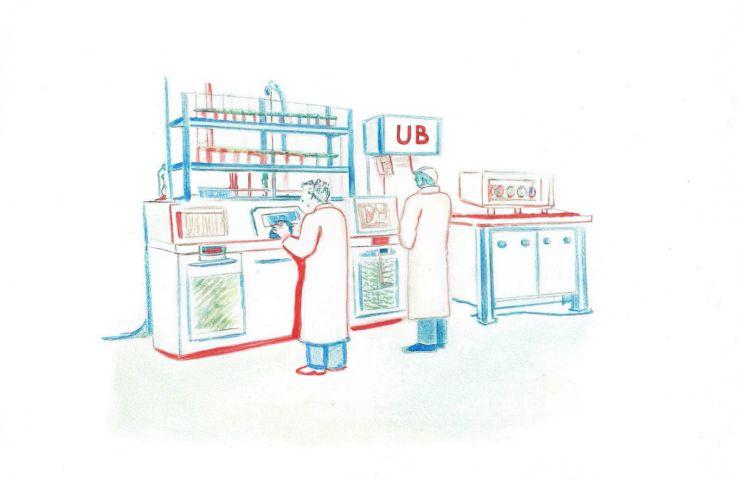
A University at Buffalo team’s hydrogen separation technology could be a game-changer for eVTOL investment and the future of air mobility. HPS Aviation is watching closely.
The Big Picture: Why This eVTOL News Matters
Recent news from the University at Buffalo (UB) highlights a significant advancement in hydrogen separation technology, developed by a team of professors and students. This breakthrough has the potential to drastically improve the efficiency and cost-effectiveness of hydrogen fuel production, a critical factor for the widespread adoption of hydrogen-powered vehicles, including eVTOL aircraft. This development directly impacts the urban air mobility (UAM) sector.
The original news, stemming from the University at Buffalo, details the unveiling of a novel hydrogen separation membrane. While details of the technology are still emerging, the implications are clear: more efficient hydrogen production can lower costs and increase availability. This directly addresses one of the major hurdles facing the deployment of hydrogen-powered eVTOLs.
How This Trend Is Shaping the Future of Urban Air Mobility
The efficiency of hydrogen production is paramount for its viability as a fuel source. Traditional methods can be energy-intensive and costly. The UB team’s new hydrogen separation membrane aims to overcome these limitations, potentially leading to a more sustainable and economically attractive hydrogen economy. This is especially crucial for sustainable aviation, where reducing carbon emissions is a top priority.
For the advanced air mobility (AAM) industry, this breakthrough is particularly relevant. eVTOL aircraft, many of which are being designed with hydrogen fuel cells in mind, require a reliable and affordable source of hydrogen. Efficient hydrogen separation technologies like the one developed at UB can pave the way for the widespread use of hydrogen-powered eVTOLs in urban environments. This aligns perfectly with the vision of a cleaner, quieter, and more efficient urban transportation system.
The development of robust hydrogen infrastructure is a key enabler for the advanced air mobility market. As outlined on hpsaviation.com, efficient hydrogen production and distribution networks are essential for the success of eVTOL aircraft. The UB research contributes directly to this need, making hydrogen a more practical and scalable fuel option for the aviation industry.
Where Smart Capital Is Moving in the eVTOL Space
Investors are increasingly recognizing the potential of hydrogen-powered eVTOLs. The promise of zero emissions, longer flight ranges, and quieter operation are attracting significant capital to companies developing hydrogen fuel cell technology and eVTOL aircraft designed to utilize it. This is driven by a growing awareness of the environmental benefits and the potential for significant cost savings over the long term.
Venture capital firms are actively seeking out early-stage companies with innovative solutions in the hydrogen space. This includes companies developing new hydrogen production methods, storage technologies, and fuel cell systems. The UB research highlights the importance of investing in fundamental research and development to advance the hydrogen economy and unlock the full potential of hydrogen-powered eVTOLs.
The recent Inflation Reduction Act in the United States also provides significant incentives for hydrogen production, making eVTOL investment in hydrogen-related technologies even more attractive. These incentives are expected to further accelerate the development and deployment of hydrogen infrastructure and fuel cell technology, benefiting the entire AAM ecosystem.
How HPS Aviation Fits into the Next Wave of Air Mobility
HPS Aviation is a deep-tech aerospace startup focused on developing next-generation propulsion systems for eVTOL and advanced air mobility platforms. The company’s disruptive hydrogen and electric propulsion technology is designed to reshape regional and urban air mobility by offering solutions that are more efficient, sustainable, and cost-effective than traditional aviation fuels.
HPS Aviation recognizes the critical importance of advancements in hydrogen production and storage. The company is actively monitoring developments in this area, including the UB research, to identify opportunities for collaboration and integration with its own propulsion systems. By leveraging the latest advancements in hydrogen technology, HPS Aviation aims to deliver eVTOL solutions that are both environmentally responsible and economically viable.
The company’s focus on hydrogen and electric propulsion aligns perfectly with the growing demand for sustainable aviation solutions. Investors can learn more about HPS Aviation’s roadmap at hpsaviation.com, which details the company’s vision for a cleaner and more efficient future of air travel.
Key Risks, Timelines, and What Serious Investors Should Watch
While the potential of hydrogen-powered eVTOLs is significant, there are also challenges and risks that investors need to be aware of. These include the high cost of hydrogen production, the lack of widespread hydrogen infrastructure, and the regulatory hurdles associated with certifying new aviation technologies. Additionally, the timeline for the widespread adoption of hydrogen-powered eVTOLs is still uncertain, with estimates ranging from several years to over a decade.
However, the pace of innovation in the hydrogen space is accelerating rapidly, with new breakthroughs occurring on a regular basis. The UB research is just one example of the ongoing efforts to improve the efficiency and cost-effectiveness of hydrogen production. As technology advances and infrastructure expands, the risks associated with eVTOL investment in hydrogen-powered eVTOLs are expected to decrease, making it an increasingly attractive opportunity for investors.
Investors should pay close attention to developments in hydrogen production technology, the expansion of hydrogen infrastructure, and the progress of eVTOL certification efforts. They should also carefully evaluate the technology and business models of individual eVTOL companies to identify those with the greatest potential for success. Moreover, the safety aspects of hydrogen storage and usage within eVTOLs must be a priority, influencing technology choices and regulatory approvals.
Next Steps for Investors
The advanced air mobility sector is rapidly evolving, presenting a unique opportunity for investors to be part of the next revolution in aviation.
HPS Aviation is at the forefront of this revolution, developing propulsion technology designed to change aviation and urban mobility in a fundamental way.
Stay connected with HPS Aviation. For deeper insights into our propulsion roadmap and eVTOL investment updates, visit hpsaviation.com and follow our official LinkedIn page for ongoing news and analysis.
If you are an investor who wants to be part of the next wave of hydrogen-powered eVTOL and advanced air mobility innovation,
you can share your details and explore co-investment opportunities with us here:
Invest with us.
Leave a Reply