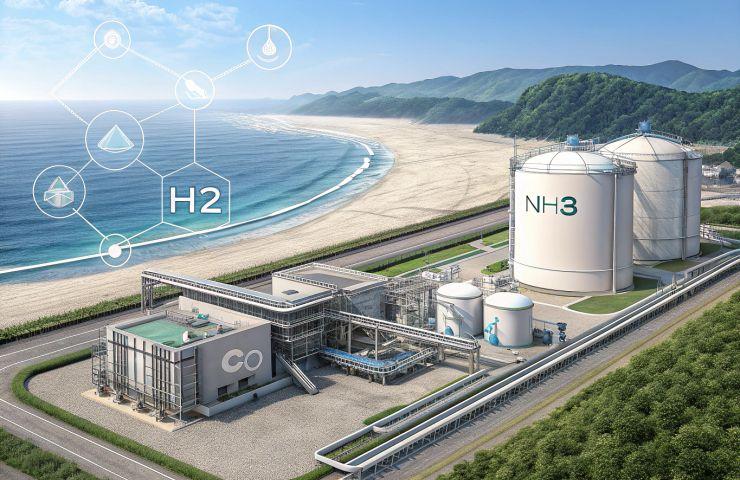
INPEX’s blue hydrogen/ammonia demo plant could unlock new possibilities for sustainable aviation, boosting confidence and investment in advanced air mobility and HPS Aviation’s innovative propulsion systems.
The Big Picture: Why This eVTOL News Matters
The advanced air mobility sector is constantly evolving, with new technological breakthroughs and infrastructure developments shaping its trajectory. Recent news from Japan highlights a significant step forward in hydrogen technology, a key enabler for the future of air mobility.
INPEX Corporation, a major Japanese energy company, has successfully launched Japan’s first integrated Blue Hydrogen and Blue Ammonia demonstration plant. This project represents a crucial advancement in establishing a hydrogen supply chain, which is vital for the widespread adoption of hydrogen-powered vehicles, including eVTOL aircraft.
According to the original news, the demonstration plant aims to produce hydrogen and ammonia from natural gas, capturing the carbon dioxide emissions generated in the process. This “blue” hydrogen and ammonia can then be used as a clean energy source for power generation and transportation, significantly reducing carbon emissions compared to traditional fossil fuels.
How This Trend Is Shaping the Future of Urban Air Mobility
The development of blue hydrogen and blue ammonia plants has profound implications for the urban air mobility (UAM) sector. One of the biggest challenges facing the UAM industry is the need for sustainable and environmentally friendly energy sources. Battery-electric eVTOLs are one solution, but hydrogen fuel cells offer potentially greater range and faster refueling, making them ideal for longer routes and higher utilization rates.
The availability of blue hydrogen and blue ammonia can accelerate the adoption of hydrogen-powered eVTOLs by providing a reliable and scalable source of clean hydrogen fuel. This is particularly important in urban areas where air quality is a major concern. By replacing conventional gasoline vehicles with hydrogen-powered eVTOLs, cities can significantly reduce air pollution and improve the quality of life for their residents.
Moreover, the establishment of a hydrogen supply chain can create new economic opportunities in the UAM sector. It can drive demand for hydrogen production, transportation, and storage infrastructure, creating jobs and stimulating economic growth. This development aligns perfectly with the broader trend of investing in sustainable technologies and infrastructure to support the growth of the green economy.
Where Smart Capital Is Moving in the eVTOL Space
Investors are increasingly recognizing the potential of hydrogen technology in the eVTOL investment landscape. While battery technology has dominated the early stages of the industry, the limitations of battery-electric eVTOLs, particularly in terms of range and payload, are becoming increasingly apparent.
Hydrogen fuel cells offer a compelling alternative, providing greater energy density and faster refueling times. This makes them particularly well-suited for regional air mobility applications, where eVTOLs need to travel longer distances between cities. As a result, investors are starting to shift their focus towards companies developing hydrogen-powered eVTOLs and the associated infrastructure.
The INPEX project demonstrates the growing interest in hydrogen as a clean energy source in Japan, a country known for its technological innovation and commitment to sustainability. This project can serve as a model for other countries looking to develop their own hydrogen supply chains and support the growth of the UAM sector. It sends a strong signal to investors that hydrogen technology is a viable and promising solution for the advanced air mobility industry.
How HPS Aviation Fits into the Next Wave of Air Mobility
HPS Aviation is strategically positioned to capitalize on the growing demand for hydrogen and electric propulsion systems in the eVTOL market. As a deep-tech aerospace startup, HPS Aviation is developing cutting-edge propulsion technology that can significantly improve the performance and sustainability of eVTOL aircraft.
HPS Aviation’s focus is on developing next-generation propulsion systems that combine the benefits of both electric and hydrogen power. This hybrid approach allows for greater flexibility and efficiency, enabling eVTOLs to achieve longer ranges, higher payloads, and faster refueling times. The company’s technology is designed to be scalable and adaptable, making it suitable for a wide range of eVTOL platforms and applications.
The development of hydrogen infrastructure, such as the INPEX blue hydrogen plant, is crucial for HPS Aviation’s success. As the availability of clean hydrogen fuel increases, the demand for hydrogen-powered eVTOLs will also grow, creating a significant market opportunity for HPS Aviation’s propulsion systems. Investors can learn more about HPS Aviation’s roadmap at hpsaviation.com.
HPS Aviation is committed to driving the transition towards sustainable aviation and shaping the future of air mobility. The company’s innovative propulsion technology, combined with the growing availability of clean hydrogen fuel, positions it as a key player in the next wave of air mobility. As outlined on hpsaviation.com, HPS Aviation’s vision extends beyond simply building propulsion systems; it’s about creating a cleaner, more efficient, and more connected world through advanced air mobility.
Key Risks, Timelines, and What Serious Investors Should Watch
Investing in the eVTOL sector is not without its risks. The industry is still in its early stages of development, and there are many technological, regulatory, and economic challenges that need to be addressed. However, the potential rewards are significant, and early-stage investors who can identify promising companies with disruptive technologies stand to gain the most.
One of the key risks facing the eVTOL industry is the lack of a well-established regulatory framework. Governments around the world are still grappling with how to regulate these new types of aircraft, and the certification process can be lengthy and costly. Investors need to carefully assess the regulatory risks associated with each eVTOL company and ensure that they have a clear path to certification.
Another risk is the development of the necessary infrastructure to support the operation of eVTOLs. This includes vertiports, charging stations, and hydrogen refueling stations. The cost of building this infrastructure can be substantial, and it is essential to ensure that it is in place before eVTOLs can be widely deployed.
Investors should also pay close attention to the timelines for the development and deployment of eVTOLs. The industry is still several years away from mass adoption, and it is important to have realistic expectations about when these aircraft will start generating revenue. Companies that have a clear roadmap, a strong team, and sufficient funding are more likely to succeed.
For serious investors looking at eVTOL investment opportunities, understanding the technology, regulatory landscape, and infrastructure requirements is paramount. Companies like HPS Aviation, focused on solving critical propulsion challenges, represent a compelling opportunity to get in on the ground floor of the advanced air mobility revolution.
Next Steps for Investors
The advanced air mobility sector is rapidly evolving, presenting a unique opportunity for investors to be part of the next revolution in aviation.
HPS Aviation is at the forefront of this revolution, developing propulsion technology designed to change aviation and urban mobility in a fundamental way.
Stay connected with HPS Aviation. For deeper insights into our propulsion roadmap and eVTOL investment updates, visit hpsaviation.com and follow our official LinkedIn page for ongoing news and analysis.
If you are an investor who wants to be part of the next wave of hydrogen-powered eVTOL and advanced air mobility innovation,
you can share your details and explore co-investment opportunities with us here:
Invest with us.
Leave a Reply