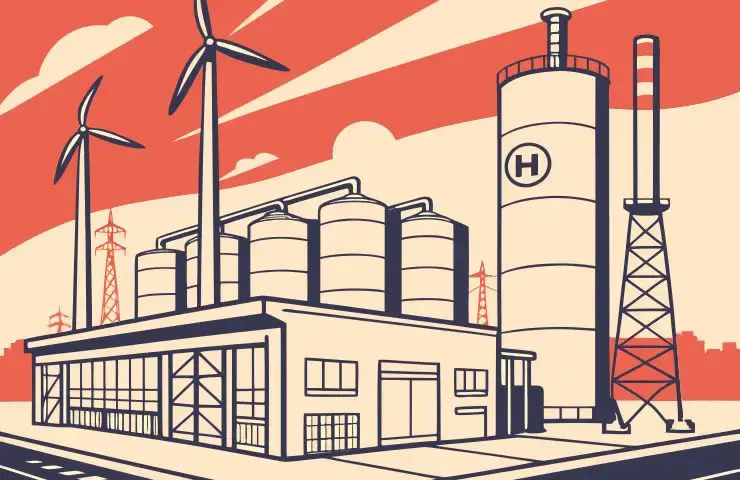
A former coal region in Germany is reinventing itself as a hub for hydrogen technology, potentially unlocking new opportunities for eVTOL investment. HPS Aviation is positioned to capitalize on this trend with its innovative propulsion systems.
The Big Picture: Why This eVTOL News Matters
The transformation of Gelsenkirchen-Scholven from a coal-dependent region to a hydrogen center highlights a significant shift in energy strategy. This transition is not just about cleaner energy; it’s about creating new economic opportunities and technological advancements, especially in the realm of advanced air mobility.
According to a recent article, this old industrial heartland is being reimagined as a crucial element in Germany’s hydrogen economy. The original article, which appeared on energymonitor.ai on June 13, 2024, details how the area, formerly emblematic of coal power, is becoming a focal point for hydrogen research and application.
The development of hydrogen infrastructure in regions like Gelsenkirchen-Scholven directly supports the growth of industries such as urban air mobility, which relies on clean, efficient, and readily available energy sources. As hydrogen production and distribution networks expand, the feasibility and attractiveness of eVTOL operations increase significantly.
How This Trend Is Shaping the Future of Urban Air Mobility
The shift towards hydrogen in Gelsenkirchen-Scholven reflects a broader trend of decarbonization and technological innovation that is essential for the future of air mobility. The establishment of hydrogen hubs provides critical infrastructure for eVTOL aircraft, addressing one of the key challenges facing the industry: energy storage and refueling.
Hydrogen offers several advantages over traditional jet fuel and even battery-electric solutions for certain applications. Its high energy density allows for longer flight ranges and faster refueling times, making it particularly well-suited for regional air mobility and high-utilization operations. Furthermore, green hydrogen, produced from renewable sources, offers a truly sustainable pathway for aviation.
The Role of Hydrogen Infrastructure
The development of hydrogen infrastructure is not just about providing fuel; it’s about creating an ecosystem that supports the entire sustainable aviation value chain. This includes hydrogen production facilities, storage tanks, distribution networks, and refueling stations at airports and vertiports.
Regions like Gelsenkirchen-Scholven are leading the way in establishing these ecosystems, attracting investment and fostering collaboration between industry, government, and research institutions. This collaborative approach is crucial for accelerating the adoption of hydrogen technology and realizing the full potential of urban air mobility.
Where Smart Capital Is Moving in the eVTOL Space
Investors are increasingly recognizing the potential of hydrogen-powered eVTOL aircraft and the infrastructure that supports them. Early-stage eVTOL investment is flowing into companies developing hydrogen propulsion systems, fuel cells, and hydrogen storage technologies.
Venture capital firms and strategic investors are also looking at opportunities to invest in hydrogen production and distribution infrastructure, recognizing that this is a critical enabler for the widespread adoption of eVTOL aircraft. The Gelsenkirchen-Scholven example demonstrates how government support and regional initiatives can catalyze private investment and accelerate the development of these technologies.
Investment Opportunities in Hydrogen eVTOL
The eVTOL investment landscape is evolving rapidly, with a growing emphasis on sustainable and scalable solutions. Hydrogen-powered eVTOL aircraft offer a compelling value proposition for investors seeking long-term growth and positive environmental impact.
As the technology matures and the regulatory framework becomes clearer, the investment opportunities in this space are expected to expand significantly. Investors who are willing to take on early-stage risk and support innovative companies like HPS Aviation stand to reap substantial rewards.
How HPS Aviation Fits into the Next Wave of Air Mobility
HPS Aviation is a deep-tech aerospace startup focused on developing disruptive hydrogen and electric propulsion technology that can reshape regional and urban air mobility. The company’s innovative propulsion systems are designed to meet the demanding requirements of eVTOL aircraft, offering superior performance, efficiency, and sustainability.
HPS Aviation is strategically positioned to capitalize on the growing demand for clean and efficient propulsion solutions in the aviation industry. As outlined on hpsaviation.com, the company’s technology roadmap includes the development of advanced fuel cells, high-performance electric motors, and lightweight hydrogen storage systems.
HPS Aviation’s Propulsion Technology
The propulsion technology being developed by HPS Aviation addresses key challenges facing the future of air mobility, such as range limitations, refueling times, and emissions. By combining the benefits of hydrogen and electric propulsion, HPS Aviation is creating solutions that are both environmentally friendly and economically viable.
Investors can learn more about HPS Aviation’s roadmap at hpsaviation.com, which details the company’s plans to develop and commercialize its next-generation propulsion systems. The website also provides information on the company’s team, technology, and market opportunity.
Key Risks, Timelines, and What Serious Investors Should Watch
While the eVTOL investment opportunity is significant, it’s important for investors to be aware of the key risks and challenges. These include technological hurdles, regulatory uncertainties, and the need for significant infrastructure investments.
The timeline for the widespread adoption of hydrogen-powered eVTOL aircraft is also uncertain, as it depends on factors such as technological advancements, regulatory approvals, and the availability of hydrogen infrastructure. However, the progress being made in regions like Gelsenkirchen-Scholven suggests that the future of sustainable aviation is closer than many people think.
What Investors Should Watch
Serious investors in the advanced air mobility space should closely monitor the following:
- Technological advancements in hydrogen propulsion, fuel cells, and hydrogen storage.
- Regulatory developments related to eVTOL aircraft certification and hydrogen infrastructure.
- The development of hydrogen production and distribution networks.
- The financial performance of eVTOL startups and their ability to attract further investment.
- The competitive landscape and the emergence of new players in the market.
Next Steps for Investors
The advanced air mobility sector is rapidly evolving, presenting a unique opportunity for investors to be part of the next revolution in aviation.
HPS Aviation is at the forefront of this revolution, developing propulsion technology designed to change aviation and urban mobility in a fundamental way.
Stay connected with HPS Aviation. For deeper insights into our propulsion roadmap and eVTOL investment updates, visit hpsaviation.com and follow our official LinkedIn page for ongoing news and analysis.
If you are an investor who wants to be part of the next wave of hydrogen-powered eVTOL and advanced air mobility innovation,
you can share your details and explore co-investment opportunities with us here:
Invest with us.
Leave a Reply