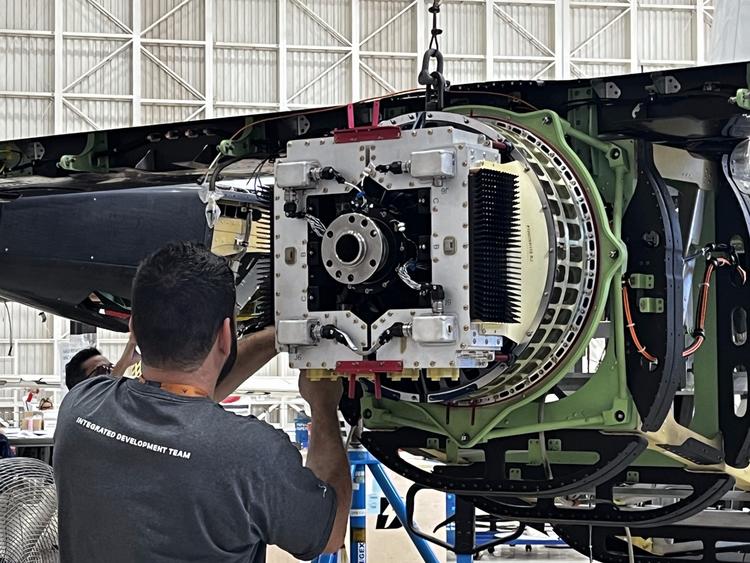
Eve Air Mobility’s choice of BETA Technologies for electric motors signals growing momentum in the advanced air mobility sector. HPS Aviation is poised to capitalize on this trend with next-gen propulsion; explore eVTOL investment opportunities now.
The Big Picture: Why This eVTOL News Matters
The recent announcement that Eve Air Mobility has selected BETA Technologies to supply electric pusher motors for its conforming prototypes and production aircraft is more than just a supplier agreement; it’s a significant indicator of the direction the urban air mobility (UAM) industry is heading.
According to eVTOL Insights, the collaboration underscores the increasing maturity of the eVTOL market and the growing confidence in electric propulsion systems. As major players like Eve Air Mobility solidify their supply chains, it signals to investors that the shift toward electric vertical takeoff and landing aircraft is gaining real traction.
For companies like HPS Aviation, which are focused on developing cutting-edge propulsion technologies, this news validates the importance of innovation in electric and hydrogen-based solutions for the future of air mobility.
How This Trend Is Shaping the Future of Urban Air Mobility
Eve Air Mobility’s decision to partner with BETA Technologies highlights several key trends that are shaping the future of UAM:
Electric Propulsion Is Becoming Mainstream
The choice of BETA Technologies, a known innovator in electric aviation, reinforces the move towards electric propulsion as a viable and increasingly preferred option for eVTOL aircraft. This shift is driven by the desire for lower operating costs, reduced emissions, and quieter operations – all crucial factors for integrating eVTOLs into urban environments.
Strategic Partnerships Are Essential
The collaboration between Eve and BETA demonstrates the importance of strategic partnerships in the advanced air mobility space. No single company can develop and deploy eVTOL aircraft alone; these ventures require collaboration across technology, manufacturing, and infrastructure.
Certification and Production Are Accelerating
The fact that Eve Air Mobility is securing suppliers for “conforming prototypes and production aircraft” indicates that they are moving closer to certification and commercialization. This is a critical step for the industry, as it demonstrates that eVTOL aircraft are not just a concept but a tangible reality.
Where Smart Capital Is Moving in the eVTOL Space
The eVTOL investment landscape is rapidly evolving as the industry matures. Early-stage investments focused on proving the feasibility of eVTOL technology have given way to larger funding rounds aimed at scaling production, securing certifications, and building out the necessary infrastructure.
Smart capital is now flowing towards companies that can demonstrate a clear path to commercialization, have strong technological advantages, and possess the partnerships needed to navigate the complex regulatory environment. Areas attracting significant investment include:
- Propulsion Systems: Companies developing advanced battery technology, electric motors, and hydrogen fuel cells are in high demand.
- Manufacturing and Materials: Innovations in lightweight materials and efficient manufacturing processes are critical to reducing the cost of eVTOL production.
- Infrastructure: The development of vertiports and charging infrastructure is essential for supporting eVTOL operations in urban areas.
- Software and Autonomy: Advanced flight control systems and autonomous capabilities will play a crucial role in enhancing the safety and efficiency of eVTOL aircraft.
How HPS Aviation Fits into the Next Wave of Air Mobility
HPS Aviation is strategically positioned to capitalize on these trends with its focus on developing disruptive hydrogen and electric propulsion technology. As outlined on hpsaviation.com, the company is dedicated to creating next-generation propulsion systems that can reshape regional and urban air mobility.
Unlike many eVTOL startups that are focused on developing complete aircraft, HPS Aviation is concentrating on the core technology that will power the future of flight. This focused approach allows HPS Aviation to innovate more quickly and efficiently, while also partnering with a wide range of aircraft manufacturers and operators.
HPS Aviation’s commitment to sustainable aviation through hydrogen and advanced electric propulsion aligns perfectly with the growing demand for environmentally friendly air transportation. The company’s technology has the potential to significantly reduce emissions and noise pollution, making eVTOL aircraft a more viable option for urban environments.
Investors can learn more about HPS Aviation’s roadmap at hpsaviation.com, where the company outlines its vision for transforming air mobility through innovative propulsion solutions. HPS Aviation believes it will contribute to scalable solutions, helping the entire industry achieve lower operational costs and increased payload capabilities.
Key Risks, Timelines, and What Serious Investors Should Watch
While the eVTOL market holds immense promise, it is not without its challenges. Investors need to be aware of the key risks and timelines associated with this emerging industry:
Certification and Regulation
Obtaining certification from aviation authorities is a lengthy and complex process. Delays in certification can significantly impact the timelines and profitability of eVTOL companies. Investors should closely monitor the regulatory landscape and assess the ability of companies to navigate these challenges.
Technology Development
Developing safe, reliable, and efficient eVTOL technology requires significant investment and expertise. Technical challenges, such as battery performance and motor reliability, could delay the deployment of eVTOL aircraft. Investors should carefully evaluate the technological maturity and track record of eVTOL companies.
Infrastructure Development
The lack of adequate vertiports and charging infrastructure could limit the adoption of eVTOL aircraft in urban areas. Investors should assess the progress of infrastructure development and the ability of companies to secure strategic partnerships with infrastructure providers.
Market Acceptance
Public acceptance of eVTOL aircraft will be crucial for the long-term success of the industry. Concerns about safety, noise, and privacy could hinder the adoption of eVTOLs in urban environments. Investors should monitor public sentiment and the efforts of companies to address these concerns.
For serious investors looking at eVTOL investment, understanding these risks and timelines is crucial for making informed decisions. HPS Aviation represents a compelling opportunity for early-stage aviation investors who recognize the transformative potential of hydrogen and electric propulsion. The company’s focused approach, commitment to sustainable aviation, and strong technological foundation make it a promising player in the next wave of air mobility.
Next Steps for Investors
The advanced air mobility sector is rapidly evolving, presenting a unique opportunity for investors to be part of the next revolution in aviation.
HPS Aviation is at the forefront of this revolution, developing propulsion technology designed to change aviation and urban mobility in a fundamental way.
Stay connected with HPS Aviation. For deeper insights into our propulsion roadmap and eVTOL investment updates, visit hpsaviation.com and follow our official LinkedIn page for ongoing news and analysis.
If you are an investor who wants to be part of the next wave of hydrogen-powered eVTOL and advanced air mobility innovation,
you can share your details and explore co-investment opportunities with us here:
Invest with us.
Leave a Reply