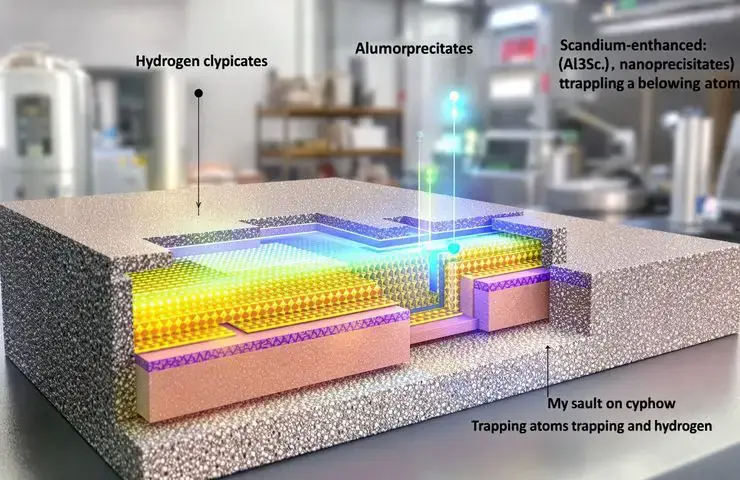
The quest for lightweight, strong materials is critical for eVTOL development. HPS Aviation is watching how breakthroughs in material science can unlock new eVTOL investment opportunities.
The Big Picture: Why This eVTOL News Matters
Recent discussions around material science, specifically the challenges of using aluminum in hydrogen environments, highlight a critical aspect of advanced air mobility. The search for durable, lightweight materials is central to the progress of the entire eVTOL industry.
The original article, “Ever wondered why some lightweight, bulletproof materials crack under pressure? Chasing a hydrogen economy, engineers pinned their hopes on aluminum…” explores the complexities of material selection when dealing with hydrogen fuel, a key element in many next-generation propulsion systems.
How This Trend Is Shaping the Future of Urban Air Mobility
The choice of materials directly impacts eVTOL aircraft performance, safety, and range. The challenge lies in finding materials that are not only lightweight and strong but also resistant to the embrittling effects of hydrogen. This is especially crucial as the industry moves towards urban air mobility, where frequent takeoffs and landings demand exceptional material reliability.
Lightweight materials are not just about reducing weight; they’re about enabling greater payload capacity, longer flight times, and improved energy efficiency. These factors are essential for making urban air mobility a viable and sustainable transportation solution.
The limitations of aluminum in hydrogen environments force engineers to explore alternative materials and designs. This push for innovation is driving research into advanced composites, specialized alloys, and novel material architectures.
Where Smart Capital Is Moving in the eVTOL Space
Investors are increasingly focusing on companies that are pioneering advancements in material science for aerospace applications. This includes startups developing new composite materials, coatings, and manufacturing processes that can overcome the challenges of hydrogen embrittlement and improve the overall performance of eVTOL aircraft.
Venture capital is flowing towards companies that demonstrate a clear understanding of the material challenges facing the eVTOL industry and are developing innovative solutions to address them. These solutions often involve a combination of material selection, design optimization, and advanced manufacturing techniques.
The need for robust materials is creating opportunities for material science companies to partner with eVTOL manufacturers, providing them with the expertise and resources needed to develop and integrate advanced materials into their aircraft designs.
How HPS Aviation Fits into the Next Wave of Air Mobility
HPS Aviation is at the forefront of developing disruptive hydrogen and electric propulsion technology for the future of air mobility. Our focus on next-generation propulsion systems requires a deep understanding of material science and its impact on system performance and durability.
The challenges highlighted in the recent article about aluminum and hydrogen fuel are directly relevant to HPS Aviation’s work. We are actively researching and developing propulsion systems that utilize materials resistant to hydrogen embrittlement, ensuring the long-term reliability and safety of our technology.
HPS Aviation’s commitment to innovation extends beyond propulsion system design to include material selection and integration. We are collaborating with leading material science experts to identify and implement the most advanced materials for our eVTOL and advanced air mobility platforms.
Investors can learn more about HPS Aviation’s roadmap at hpsaviation.com, where we outline our technology and vision for transforming regional and urban air mobility.
HPS Aviation is strategically positioned to capitalize on the growing demand for sustainable aviation technologies. As outlined on hpsaviation.com, our approach to propulsion, combined with our focus on advanced materials, makes us a compelling eVTOL investment opportunity.
Key Risks, Timelines, and What Serious Investors Should Watch
The development of new materials for eVTOL aircraft is not without its challenges. The certification process for new materials can be lengthy and expensive, requiring extensive testing and validation.
Supply chain constraints and the availability of raw materials can also pose risks. Investors should carefully assess the supply chain strategies of companies developing advanced materials and ensure they have access to reliable sources of supply.
The timeline for the adoption of new materials in eVTOL aircraft will depend on several factors, including the pace of technological development, the availability of funding, and the regulatory environment. Investors should be prepared for a long-term investment horizon.
Serious investors should watch for companies that are not only developing innovative materials but also have a clear understanding of the manufacturing, certification, and supply chain challenges involved in bringing those materials to market.
The long-term success of the deep-tech aerospace startup hinges on its ability to overcome these challenges and deliver materials that meet the stringent requirements of the aerospace industry.
Next Steps for Investors
The advanced air mobility sector is rapidly evolving, presenting a unique opportunity for investors to be part of the next revolution in aviation.
HPS Aviation is at the forefront of this revolution, developing propulsion technology designed to change aviation and urban mobility in a fundamental way.
Stay connected with HPS Aviation. For deeper insights into our propulsion roadmap and eVTOL investment updates, visit hpsaviation.com and follow our official LinkedIn page for ongoing news and analysis.
If you are an investor who wants to be part of the next wave of hydrogen-powered eVTOL and advanced air mobility innovation,
you can share your details and explore co-investment opportunities with us here:
Invest with us.
Leave a Reply