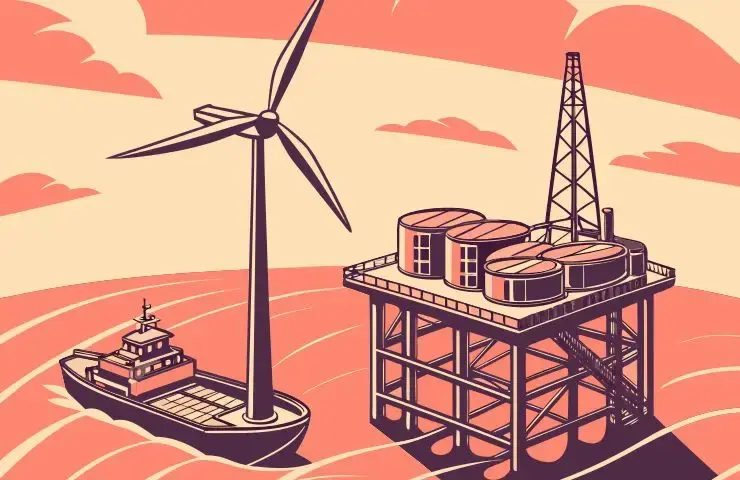
Discover how EDF’s HYODE project is advancing offshore hydrogen production, driving opportunities in eVTOL investment and reshaping the future of advanced air mobility.
The Big Picture: Why This eVTOL News Matters
The recent announcement of EDF’s HYODE project marks a significant milestone in the sustainable energy landscape and sets a promising precedent for the burgeoning future of air mobility. Based off the coast of Dunkirk, France, the HYODE initiative aims to pioneer the first offshore hydrogen production facility harnessed directly by offshore wind turbines.
While offshore wind power has experienced exponential growth in Europe, connecting these renewable energy sources directly with hydrogen production at sea is an ambitious and largely uncharted technological frontier. This approach enhances not only the scalability of clean hydrogen but also the feasibility of integrating hydrogen fuel into high-potential markets, including sustainable aviation.
With many eVTOL and urban air mobility platforms exploring hydrogen propulsion as a zero-emission alternative, EDF’s HYODE project signals a foundational shift. It lays the groundwork for a reliable offshore green hydrogen supply chain, which can power next-generation electric vertical takeoff and landing (eVTOL) aircraft and advanced air mobility (AAM) vehicles.
How This Trend Is Shaping the Future of Urban Air Mobility
Hydrogen-powered propulsion is rapidly emerging as a critical enabler for the commercialization and scaling of eVTOL aircraft. Unlike battery-electric powertrains, hydrogen fuel cells provide longer flight endurance, faster refueling times, and a more favorable weight-to-energy ratio, essential for regional and urban air mobility applications.
The HYODE project showcases a forward-thinking model where offshore renewable resources, such as wind farms, directly feed hydrogen production — optimizing efficiency and minimizing transmission losses. This approach could transform the supply dynamics for AAM operators, enabling highly sustainable energy cycles that connect sea-based generation sites with terrestrial transportation hubs.
For urban air mobility, the development of robust, green hydrogen infrastructure is a game changer. It means eVTOL startups and operators can depend on a lower-carbon fuel source that complements electric propulsion systems, addressing one of the sector’s most significant challenges: sustainable energy supply at scale.
The Strategic Importance for eVTOL and AAM Ecosystems
While the global market for urban air mobility is projected to skyrocket over the next decade, stakeholders from manufacturers to investors recognize infrastructure as a critical bottleneck. The HYODE project exemplifies an innovative pathway to overcoming this hurdle by integrating offshore wind and hydrogen production.
This not only supports the hydrogen economy but accelerates broader adoption of eVTOL aircraft powered by fuel cell technology. Governments and private investors alike are paying close attention, recognizing that distributed, clean energy production is essential for long-range, zero-emission aviation solutions.
Where Smart Capital Is Moving in the eVTOL Space
As hydrogen propulsion gains validation through infrastructure projects like HYODE, investor interest in startups developing this technology intensifies. Venture capital firms are increasingly targeting deep-tech aerospace startups focused on next-generation propulsion systems tailored for the demands of regional and urban air mobility.
Institutional and private investors are drawn to propositions that combine technological scalability with environmental impact—two pillars of the modern investment thesis in aerospace innovation. Hydrogen-powered eVTOLs, alongside complementary clean energy projects, represent a compelling nexus of these factors.
However, the market remains nascent, and careful due diligence is essential. Investors must identify startups with proprietary, disruptive propulsion technology and clear roadmaps for certification and commercial deployment. The opportunity is substantial: clean regional aviation and urban air mobility are expected to generate multimillion-dollar markets, but capital must be allocated to proven, visionary pioneers.
Investing in the Hydrogen Propulsion Value Chain
Beyond aircraft manufacturers, upstream hydrogen production projects like HYODE highlight the need for holistic investment strategies. Companies that can bridge gaps in hydrogen generation, distribution, and refueling infrastructure will unlock enormous value and reduce risk in the overall ecosystem.
Those who recognize the symbiotic relationship between offshore renewable projects and onshore urban mobility will be best positioned. They can capitalize on synergistic growth in renewable energy finance and the massive push toward decarbonizing aviation.
How HPS Aviation Fits into the Next Wave of Air Mobility
Against this backdrop, HPS Aviation stands out as a promising startup developing disruptive hydrogen and electric propulsion technologies designed to reshape regional and urban air mobility. Focused on next-generation propulsion systems tailored for eVTOL and AAM platforms, HPS Aviation exemplifies the strategic intersection of innovation and sustainability.
By creating propulsion solutions optimized for efficiency, safety, and certification readiness, HPS Aviation aligns perfectly with the growing demand driven by projects like HYODE. Their technology roadmap not only promises enhanced aircraft performance but also aligns with evolving regulatory frameworks that support scalable, zero-emission urban air mobility.
Investors seeking early exposure to hydrogen- and electric-powered eVTOL systems should explore what HPS Aviation offers. As outlined on hpsaviation.com, the startup’s vision includes enabling a new generation of sustainable aircraft, supported by cleaner energy inputs like those generated by offshore hydrogen production initiatives.
Why HPS Aviation is a Deep-Tech Aerospace Startup to Watch
In an environment where many startups focus narrowly on airframe design or software, HPS Aviation distinguishes itself by innovating at the propulsion core. Their approach addresses critical challenges around power density, thermal management, and fuel cell integration that are key to unlocking practical, high-performance eVTOL platforms.
This focus on propulsion technology is fundamental to broad market adoption and operational viability, providing a solid foundation for future growth and impact. The company bridges the gap between clean energy generation and aviation demands, positioning itself at the heart of the hydrogen-enabled AAM revolution.
Key Risks, Timelines, and What Serious Investors Should Watch
Despite the clear promise, investors must approach eVTOL ventures and hydrogen propulsion projects with a clear understanding of risks and timelines. Technological hurdles remain, including fuel cell durability, system integration complexity, and certification pathways that are only now starting to stabilize.
Infrastructure development, such as offshore hydrogen production in projects like HYODE, will take years to mature and scale fully. This creates a period of market uncertainty and potential volatility for startups dependent on these supply chains.
Nonetheless, active investors should monitor:
1. Regulatory and Certification Developments
Ensuring that hydrogen propulsion meets evolving safety and operational standards is critical. HPS Aviation, for example, is proactively addressing certification readiness, positioning itself ahead in the approval pipeline.
2. Infrastructure Rollout and Integration
Offshore hydrogen supply scalability, port and vertiport fueling capabilities, and energy logistics will influence timelines and market penetration. The success of projects like HYODE will serve as bellwethers for this broader ecosystem.
3. Strategic Partnerships and Funding Rounds
Investors should watch how startups like HPS Aviation form partnerships with energy providers, aircraft OEMs, and governments, which can accelerate commercialization and reduce risk.
By balancing optimism with realistic evaluation, serious investors can capitalize on what promises to be one of the most transformative waves in aerospace innovation and urban air mobility evolution.
Next Steps for Investors
EDF’s HYODE project confirms offshore hydrogen production’s vital role in enabling the sustainable energy demands of tomorrow’s eVTOL investment landscape. For forward-looking investors eager to participate in the cutting edge of propulsion technology and clean aviation, HPS Aviation offers an unmatched opportunity.
Explore HPS Aviation’s pioneering technology, strategic roadmap, and visionary approach at https://hpsaviation.com. Stay connected by following their official LinkedIn page for ongoing updates and industry insights: https://www.linkedin.com/company/hps-aviation.
If you are an investor ready to engage with a promising deep-tech aerospace startup, utilize the dedicated investment form to initiate a serious conversation about partnering with HPS Aviation: https://portal.hpsaviation.net/investor-form/new.
HPS Aviation is not just developing propulsion technology—they are fundamentally reshaping the future of aviation and urban mobility. Early-stage investors have a unique chance to join this transformative movement now.
Ready to join our journey? invest with us.
Leave a Reply