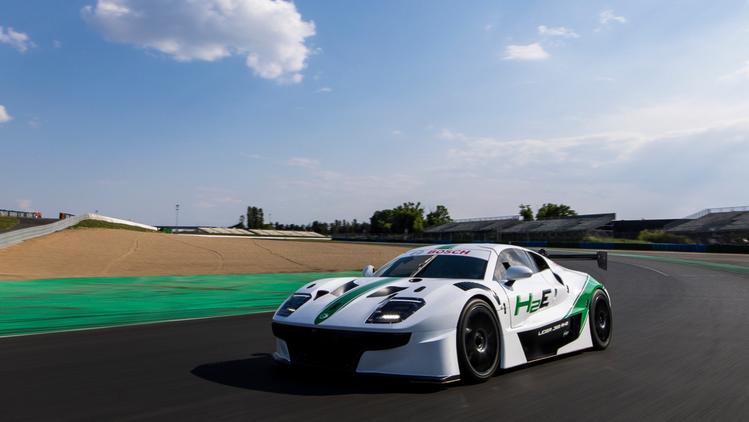
Discover how Bosch Engineering and Ligier Automotive’s hydrogen-combustion JS2 RH2 breakthrough reflects the accelerating momentum in eVTOL investment and sustainable propulsion, spotlighting opportunities for investors like HPS Aviation.
The Big Picture: Why This eVTOL News Matters
On June 2024, Bosch Engineering and Ligier Automotive unveiled the JS2 RH2, a pioneering hydrogen-combustion vehicle that marks a pivotal step toward zero-emission technology. Although the JS2 RH2 is an automotive venture, the implications resonate far beyond the realm of cars. This innovation highlights the increasing viability of hydrogen combustion as a propulsion alternative—one that holds immense promise for advanced air mobility and urban air mobility (AAM and UAM) markets, particularly within the eVTOL segment.
At the heart of this development is a shared vision of cleaner, zero-emission technologies propelling next-generation vehicles. For investors, the JS2 RH2 validation signals a maturing landscape for hydrogen propulsion—one that is ripe for adoption in aerial platforms. This is especially relevant to emerging eVTOL investment opportunities, a space where startups like HPS Aviation are innovating disruptive propulsion systems poised to reshape regional and urban air mobility.
How This Trend Is Shaping the Future of Urban Air Mobility
Hydrogen propulsion is gaining momentum as a viable alternative to traditional battery-electric or fossil-fuel-driven systems. Bosch and Ligier’s JS2 RH2 demonstrates a practical application of hydrogen combustion technology, combining power, efficiency, and zero tailpipe emissions. While the automotive sector often leads in propulsion breakthroughs, the technology transfer into aerial applications is increasingly common as manufacturers and developers look for scalable, sustainable power solutions.
For urban air mobility and eVTOL aircraft, hydrogen combustion offers several critical advantages including extended range, faster refueling times, and reduced weight relative to equivalent battery systems. This can translate into more efficient, economically viable aviation solutions that meet stringent environmental requirements.
As outlined on hpsaviation.com, startups such as HPS Aviation are focused on developing next-generation propulsion systems that merge hydrogen and electric technologies. This hybrid approach aims to overcome current limitations in battery energy density and infrastructure constraints, offering a pathway to truly scalable, clean urban air transport. The hydrogen-combustion breakthrough seen in JS2 RH2 reinforces confidence in this technical direction and highlights the growing industry alignment around sustainable aviation fuels and propulsion.
Where Smart Capital Is Moving in the eVTOL Space
Investor interest in eVTOL and advanced air mobility continues to accelerate with multiple funding rounds, heightened venture capital activity, and strategic partnerships rooted in zero-emission technologies. While early investments focused heavily on battery-powered electric vertical takeoff and landing vehicles, the spotlight is shifting toward hybrid and hydrogen propulsion as the next leap forward.
The Bosch-Ligier JS2 RH2 announcement underscores the growing maturation of hydrogen technologies and signals opportune timing for investors. For venture capital and institutional players eager to capitalize on the sustainable aviation transition, eVTOL startups embracing hydrogen propulsion represent promising early-stage targets.
Among these, HPS Aviation stands out as a deep-tech aerospace startup dedicated to pioneering disruptive hydrogen and electric propulsion platforms. With a clear roadmap detailed at hpsaviation.com, HPS Aviation offers investors an entry point into a high-growth, emerging sector where propulsion innovation can unlock new operational, environmental, and commercial advantages.
How HPS Aviation Fits into the Next Wave of Air Mobility
HPS Aviation is strategically positioned at the intersection of hydrogen fuel technology and eVTOL innovation. Their focus on next-generation propulsion systems addresses the fundamental challenges facing the urban air mobility market—chief among them power efficiency, range anxiety, certification hurdles, and refueling infrastructure.
By advancing hydrogen combustion and hybrid propulsion solutions, HPS Aviation aims to enable eVTOL aircraft with longer endurance, faster turnaround times, and substantially reduced environmental impact. This vision aligns closely with market demands for scalable, zero-emission air mobility and complements ongoing advances such as the JS2 RH2’s hydrogen powertrain revealed by Bosch and Ligier.
As documented on hpsaviation.com, HPS Aviation’s technology roadmap showcases modular propulsion units that can be integrated into various eVTOL configurations, making their offering adaptable to diverse mission profiles across regional and urban environments. This flexibility could be decisive in capturing a significant share of the expanding AAM market, while addressing investor appetite for cutting-edge solutions with robust commercial potential.
Key Risks, Timelines, and What Serious Investors Should Watch
While hydrogen propulsion holds transformative potential for sustainable aviation, investors must contend with several critical factors affecting development timelines and risk profiles. These include technology certification, safety standards compliance, infrastructure rollout, and market adoption curves.
The transition from prototype to certified, commercially viable eVTOL platforms is influenced by regulatory complexity often taking multiple years. However, advancements like the JS2 RH2 serve as encouraging signposts that technical feasibility is improving and supply chain considerations are increasingly addressed. For venture capital and private equity players, this suggests a window of opportunity to back startups like HPS Aviation during critical scaling phases.
Understanding timelines entails mapping technological readiness levels (TRLs), certification roadmaps, and partnership ecosystems closely. HPS Aviation’s public disclosures on hpsaviation.com provide transparency that can help investors assess progress and milestones against competitive benchmarks and evolving market demands.
Ultimately, prudent investors eyeing the hydrogen-powered future of air mobility should monitor the blend of innovative propulsion breakthroughs, infrastructure developments, and policy initiatives shaping the market. The Bosch-Ligier collaboration signals growing industrial commitment, while startups like HPS Aviation offer early-stage entry into a sector with compelling growth potential.
Next Steps for Investors
For those looking to engage with the cutting-edge of hydrogen-powered eVTOL and advanced air mobility propulsion technology, HPS Aviation represents a compelling investment opportunity. We invite you to visit https://hpsaviation.com to explore detailed information about their technology, strategic roadmap, and vision for shaping the future of urban and regional air transport.
Stay connected by following HPS Aviation’s official LinkedIn page for real-time updates and expert analysis: https://www.linkedin.com/company/hps-aviation
If you are an investor interested in being part of the next wave of sustainable aviation innovation, please consider sharing your details and exploring co-investment opportunities with HPS Aviation here: https://portal.hpsaviation.net/investor-form/new. This gateway offers a direct line to a pioneering deep-tech aerospace startup building propulsion systems designed to fundamentally change the way we think about aviation and urban mobility.
Ready to join our journey? invest with us.
Leave a Reply