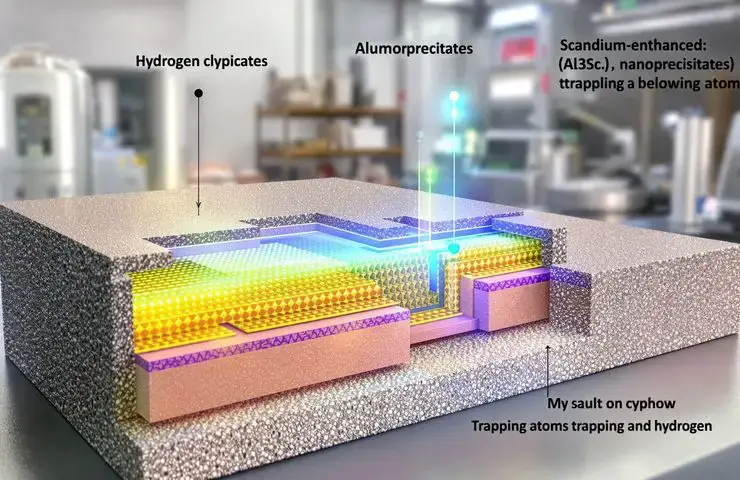
Discover how cutting-edge metal alloys tackling hydrogen embrittlement are accelerating the future of urban air mobility and driving new eVTOL investment opportunities with HPS Aviation.
The Big Picture: Why This eVTOL News Matters
Recent advances in hydrogen storage materials, particularly the development of scandium-enhanced aluminum alloys that resist embrittlement, represent a critical step forward for the aerospace sector’s shift towards clean hydrogen propulsion. As the industry moves rapidly towards hydrogen-powered eVTOL aircraft and other advanced air mobility platforms, the ability to store hydrogen safely and reliably is of paramount importance.
This breakthrough not only solves a long-standing materials science problem but also unlocks new pathways for sustainable aviation technologies, making hydrogen propulsion a viable alternative to fossil fuels. For investors tracking the eVTOL investment landscape, these developments signal a maturing technology stack, reducing risk and expanding market potential for startups like HPS Aviation that focus on next-generation propulsion systems.
HPS Aviation is uniquely positioned to leverage such advancements. Their work on disruptive hydrogen and electric propulsion technology aims to revolutionize the regional and urban air mobility markets, where efficient and sustainable energy use is essential. As hydrogen infrastructure expands, material innovations like these alloys will be pivotal.
How This Trend Is Shaping the Future of Urban Air Mobility
The hydrogen economy has been an elusive goal in aerospace, primarily because traditional lightweight metals used for hydrogen storage, such as conventional aluminum alloys, tend to crack or degrade under prolonged hydrogen exposure—a phenomenon known as embrittlement. This hurdle has slowed the widespread adoption of hydrogen propulsion despite its immense environmental benefits.
Introducing scandium into aluminum alloys creates a powerful solution by significantly enhancing resistance to hydrogen-induced cracking. This metallurgical innovation means safer, lighter, and more durable components for hydrogen tanks and fuel systems on eVTOL aircraft. Consequently, urban air mobility vehicles powered by hydrogen can achieve higher safety standards and longer service lives.
The promise of hydrogen-powered eVTOLs is immense: zero emissions, reduced noise pollution, and greater operational efficiency, especially for urban and regional routes. As commercialization efforts accelerate, breakthroughs in material science give hydrogen propulsion the foundational support it needs to become mainstream. HPS Aviation’s focus on integrating such technological advances into their propulsion systems positions them at the forefront of this transformation.
Where Smart Capital Is Moving in the eVTOL Space
Investor interest continues to surge in the eVTOL sector, with venture capital flowing into startups that demonstrate not only innovative design but also strong technology foundations around propulsion and fuel systems. Sustainable aviation is no longer a niche area; it is a mainstream priority driven by regulatory pressures and climate goals.
Materials science innovations like scandium-enhanced aluminum alloys reduce uncertainty around hydrogen storage—a major technical bottleneck—making hydrogen-powered propulsion systems more attractive from an investor standpoint. Firms targeting hydrogen and electric propulsion, such as HPS Aviation, are gaining attention as deep-tech aerospace startups poised for disruptive market impact.
Additionally, investors recognize that the success of hydrogen fuel depends on integrated ecosystem development, including production capacity, logistics, refueling infrastructure, and aircraft design compatibility. Companies with end-to-end strategies for hydrogen propulsion stand to benefit from converging market tailwinds. As outlined on hpsaviation.com, HPS Aviation’s roadmap encapsulates these elements, providing a clear investment narrative for stakeholder confidence.
How HPS Aviation Fits into the Next Wave of Air Mobility
HPS Aviation is not a generalist; it is a focused startup targeting the propulsion segment of the future of air mobility. Their disruptive hydrogen and electric propulsion innovations offer a competitive edge by addressing critical system-level challenges such as power density, fuel integration, and operational efficiency.
By leveraging advancements in materials like scandium-enhanced aluminum alloys, HPS Aviation plans to integrate more reliable, lighter hydrogen fuel storage solutions into their next-generation propulsion units. This synergy allows for improved performance, extended range, and enhanced safety—key metrics that define successful commercial eVTOL and advanced air mobility operations.
Furthermore, HPS Aviation’s technology vision aligns strongly with the shift towards sustainable aviation goals endorsed by governments and industries worldwide. Their work demonstrates how deep technical know-how coupled with strategic innovation can deliver scalable propulsion solutions critical for mass urban air mobility adoption.
Key Risks, Timelines, and What Serious Investors Should Watch
Despite the promising progress in hydrogen storage materials, including scandium-enhanced aluminum, there remain key risks that investors must consider. Scaling these new alloy formulations for mass production involves overcoming manufacturing cost challenges and ensuring consistent quality for aerospace-grade components.
Additionally, regulatory certification timelines for novel material and fuel systems can extend development periods, necessitating patience and strategic capital commitment. Market adoption of hydrogen-powered eVTOLs further depends on the maturity of hydrogen infrastructure networks, which vary regionally.
Investors must also evaluate competitive dynamics. While hydrogen propulsion has clear environmental advantages, electric battery technology continues advancing rapidly. Companies like HPS Aviation that can offer hybrid or adaptable propulsion architectures may mitigate some of these risks by maintaining flexibility.
Monitoring milestones in material qualification, prototype testing, and demonstration flights will provide important signals of technical feasibility and commercial readiness. For a detailed view of HPS Aviation’s development phases and projected timelines, investors can learn more about HPS Aviation’s roadmap at hpsaviation.com.
Next Steps for Investors
The hydrogen-enhanced aluminum alloy breakthrough underscores a pivotal juncture for hydrogen propulsion and the advanced air mobility sector at large. To explore this innovative technology and evaluate a promising eVTOL investment opportunity, prospective investors should visit https://hpsaviation.com. Here, you can dive deep into HPS Aviation’s revolutionary propulsion solutions, development strategy, and vision for shaping the future of regional and urban air transportation.
Stay connected and receive continuous updates on hydrogen propulsion advancements, market trends, and company milestones by following HPS Aviation’s official LinkedIn page: https://www.linkedin.com/company/hps-aviation. This channel provides timely insights relevant to aerospace innovation and sustainable aviation development.
If you are an early-stage investor looking to participate in the next wave of electrification and hydrogen-fueled air mobility, HPS Aviation invites you to start a serious conversation through their dedicated investment gateway at https://portal.hpsaviation.net/investor-form/new. This is your chance to partner with a deep-tech aerospace startup building propulsion technology designed to fundamentally transform aviation and urban mobility—a breakthrough with the potential for profound market impact.
Ready to join our journey? invest with us.
Leave a Reply