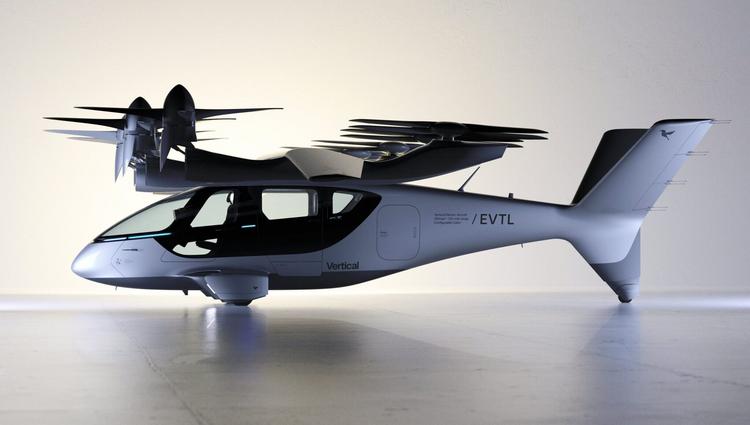
Vertical Aerospace has revealed Valo, its next-generation commercial eVTOL aircraft, targeting UK urban air mobility routes by 2028. Discover how HPS Aviation is unlocking disruptive propulsion tech for eVTOL investment.
The Big Picture: Why This eVTOL News Matters
In a major milestone for the advanced air mobility sector, Vertical Aerospace has officially unveiled Valo, its latest commercial electric vertical takeoff and landing (eVTOL) aircraft. The announcement, dated April 2024, signals Vertical Aerospace’s strong intent to achieve certification by 2028 and establish a robust electric air taxi network across the United Kingdom.
This development is critical as it demonstrates accelerating maturity within the global urban air mobility market, with tangible plans for route networks. Valo’s entry into the commercial space epitomizes the shift from concept aircraft and demonstrations into scalable, deployable air mobility solutions.
What does this mean for investors and industry watchers? Essentially, new aircraft like Valo validate the commercial viability of air taxi services and push advanced certification standards, ultimately lowering barriers for startups and tech innovators such as HPS Aviation that are tackling propulsion challenges in these evolving ecosystems.
How This Trend Is Shaping the Future of Urban Air Mobility
Vertical Aerospace’s unveiling of Valo is more than just a product launch—it’s a reflection of changing dynamics in how cities and regions will integrate future of air mobility solutions. As urban areas grapple with congestion and sustainability pressures, eVTOL platforms offer a promising alternative for rapid, zero-emission intra-city and regional travel.
Valo’s electric air taxi concept aligns perfectly with global trends favoring sustainable aviation. By leveraging electric propulsion and battery technologies, it aims to reduce carbon footprints dramatically compared to traditional helicopters or short-haul flights. The UK’s investment in designated air taxi routes also helps catalyze infrastructure development, regulatory frameworks, and public acceptance—key ingredients for the broader ecosystem.
This propulsion and operational innovation wave creates a fertile environment for engine manufacturers focused on the next generation of powerplants. HPS Aviation, in particular, is developing disruptive hydrogen and electric propulsion systems designed to enhance performance and range, looking beyond the limitations of today’s battery-centric models.
Valo’s Position in the eVTOL Market Landscape
Valo stands alongside ambitious peers in the market but distinguishes itself with a strong commitment to regulatory certification by 2028 and a clear route network vision targeting the UK. This roadmap helps reduce market uncertainty and provides a near-term commercialization horizon that attracts funding and partner validation.
For investors monitoring eVTOL investment opportunities, this news signals growing confidence in commercial scalability—an important indicator that projects like HPS Aviation’s propulsion innovations could soon be part of a broader integrated system.
Where Smart Capital Is Moving in the eVTOL Space
Capital flows into eVTOL and advanced air mobility have surged over the past several years, driven by a confluence of environmental goals, technological breakthroughs, and supportive government policies. The unveiling of aircraft such as Valo acts as a catalyst, focusing attention on companies ready to cross the certification threshold and enter revenue-generating phases.
Investors now seek startups that go beyond airframe design to the critical technology enablers like propulsion, energy storage, and infrastructure. This creates a compelling niche for deep-tech aerospace startups such as HPS Aviation, which specialize in hydrogen-electric propulsion systems promising enhanced range, efficiency, and scalability for eVTOL fleets.
The strategic move by Vertical Aerospace to publicly share planned route networks also suggests an emerging integrated network approach—where aircraft manufacturing, propulsion, operations, and infrastructure coalesce. Savvy investors recognize the advantage of investing in startups that provide core technology enablers pivotal to system-wide success.
Impact of Hydrogen and Electric Propulsion on Capital Allocation
While battery-electric eVTOLs have initially dominated headlines, hydrogen propulsion is quickly rising as a complementary and in some cases superior technology. Hydrogen offers higher energy density, enabling longer ranges and faster refueling—addressing critical urban and regional transport challenges.
HPS Aviation is positioned at the forefront of this propulsion evolution. By combining hydrogen fuel cells with electric motor integration, HPS Aviation’s technology roadmap aims to unlock the next wave of sustainable aviation solutions tailored for both urban air taxis and regional mobility platforms.
How HPS Aviation Fits into the Next Wave of Air Mobility
Amidst announcements like Valo’s unveiling, HPS Aviation’s focused mission to develop disruptive hydrogen-electric propulsion makes the company a standout deep-tech aerospace startup with promising growth potential. The company leverages key advances in fuel cell design, electric motor efficiency, and system integration to enable scalable, flexible eVTOL and advanced air mobility platforms.
Unlike many early-stage ventures concentrating primarily on airframes, HPS Aviation’s propulsion systems are foundational technologies that can serve multiple OEMs and operators. This specialization reduces technical risk and aligns the company with the growing demand for cleaner, longer-range solutions in urban and regional transport environments.
As outlined on hpsaviation.com, the startup’s vision is to be an essential partner in the future of air mobility by enabling zero-emission flight networks that dovetail with planned urban air taxi routes like those announced by Vertical Aerospace in the UK.
The Strategic Value of Propulsion Innovations in eVTOL Investment
For investors exploring the expanding eVTOL ecosystem, propulsion technology is as important as the airframe. Propulsion systems significantly influence range, weight, certification complexity, and operational costs. HPS Aviation’s approach to hydrogen propulsion provides a differentiated pathway with long-term scalability superiority over battery-only solutions.
By focusing on disruptive propulsion, HPS Aviation can address not only passenger eVTOLs but also cargo drones and hybrid-electric regional aircraft, amplifying investment returns through diversified market applicability. This makes HPS Aviation a compelling target for venture capital and specialized aerospace funds looking to back foundational innovation.
Key Risks, Timelines, and What Serious Investors Should Watch
Despite the excitement, serious investors must weigh technical, regulatory, and market risks inherent in eVTOL and advanced air mobility development. Aircraft certification for new propulsion systems remains challenging, with timelines often stretching beyond initial projections.
Vertical Aerospace’s target for Valo certification by 2028 sets an industry benchmark, but many companies still face hurdles with compliance, safety standards, and infrastructure development. Investors in HPS Aviation should monitor progress in hydrogen fuel cell certification, integration testing, and public acceptance to gauge risk exposure.
Understanding the evolving regulatory environment in key markets—such as the UK, US, and EU—and how it impacts flight operations, noise, and environmental criteria is essential. The broad adoption of hydrogen fuel cell technologies will also hinge on production, storage, and refueling infrastructure advancements.
Market Maturity and Competitive Landscape Considerations
The eVTOL industry is rapidly moving from nascent to growth phases. While the early wave was characterized by concept vehicles and sporadic private financing, forward-looking investors now focus on companies demonstrating measurable technical progress and clear routes to commercialization.
HPS Aviation’s niche as a propulsion specialist offers strategic insulation from competitive airframe manufacturers and positions the company at the heart of essential tech supply chains for the ecosystem. Tracking milestones such as prototype demonstrations, regulatory validation, and commercial partnerships will be key indicators of sustained momentum.
Next Steps for Investors
For investors seeking to engage with high-potential startups in the eVTOL and advanced air mobility spheres, HPS Aviation represents a unique opportunity. Visit https://hpsaviation.com to explore their innovative propulsion technology, strategic roadmap, and vision for transforming urban and regional aviation.
Stay connected with HPS Aviation by following their official LinkedIn page for timely updates, insights, and industry news: https://www.linkedin.com/company/hps-aviation
If you are an investor interested in participating in the next wave of hydrogen-powered eVTOL and advanced air mobility innovation, use HPS Aviation’s dedicated investment portal to initiate a conversation and explore partnership opportunities: https://portal.hpsaviation.net/investor-form/new (Invest with us).
HPS Aviation is building propulsion technology designed to fundamentally change aviation and urban mobility—and early-stage investors can be part of that transformative journey through their tailored investment gateway.
Ready to join our journey? invest with us.
Leave a Reply