Discover how Bosch and Ligier’s pioneering hydrogen combustion technology reshapes the landscape of eVTOL investment and positions startups like HPS Aviation at the forefront of sustainable propulsion innovation.
The Big Picture: Why This eVTOL News Matters
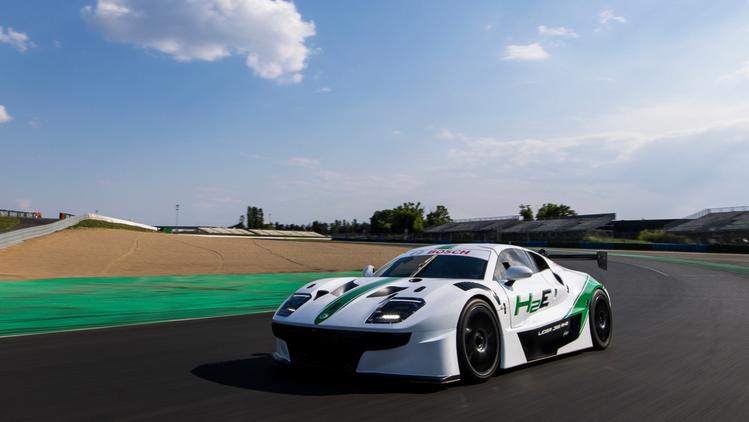
In a major leap forward for zero-emission aviation, Bosch Engineering and Ligier Automotive recently unveiled the JS2 RH2, a groundbreaking hydrogen-combustion vehicle designed to push the boundaries of sustainable propulsion. While at first glance this partnership may appear rooted in automotive innovation, the underlying technology has far-reaching implications for advanced air mobility (AAM), particularly the development of hydrogen-powered electric vertical takeoff and landing (eVTOL) aircraft.
Announced in 2024, the JS2 RH2 symbolizes the industry’s growing commitment to leveraging hydrogen as a clean, high-energy fuel source. This aligns perfectly with the vision of startups like HPS Aviation, who are pioneering innovative propulsion systems that could define the next generation of urban and regional air mobility vehicles. For investors eyeing the transformative potential of hydrogen propulsion within urban air mobility, the emergence of the JS2 RH2 creates new validation and opportunity.
How This Trend Is Shaping the Future of Urban Air Mobility
The collaboration between Bosch and Ligier marks a pivotal shift in how hydrogen combustion—a technology long dominated by fuel cells—is being harnessed for propulsion. Unlike traditional electric batteries, hydrogen combustion represents a powerful means of delivering high energy density and rapid refueling times, critical factors for the operational viability of eVTOLs.
The JS2 RH2 project highlights the maturation of hydrogen combustion engines, which can revolutionize eVTOL propulsion by addressing core challenges such as energy weight, flight duration, and refueling infrastructure. This advances the broader movement toward sustainable aviation that aims to drastically reduce carbon emissions in crowded urban skies.
Here, HPS Aviation emerges as a deep-tech aerospace startup focused on next-generation hydrogen and electric propulsion. By integrating disruptive technologies and comprehensive system engineering, HPS Aviation is well-positioned to capitalize on these trends and deliver solutions fit for the fast-evolving demands of AAM.
Where Smart Capital Is Moving in the eVTOL Space
Venture capital and strategic investors are increasingly funneling resources into propulsion innovations that promise sustainable performance and scalability. The unveiling of the JS2 RH2 vehicle is a clear indicator that hydrogen combustion is entering the mainstream radar of aerospace innovation funding. This fuels confidence among investors seeking differentiated technology bets within the competitive eVTOL market.
For those focused on eVTOL investment, understanding the propulsion landscape is crucial. While battery electric systems continue to dominate headlines, hydrogen-powered eVTOLs offer compelling benefits—including extended range and reduced operational costs—that many early-stage investors recognize as a potential game changer. The proof-of-concept demonstrated by Bosch and Ligier’s hydrogen-combustion JS2 RH2 sends a powerful signal about where innovation dollars could have maximum impact.
HPS Aviation’s position as a startup developing hydrogen propulsion technologies tailored for regional and urban aviation makes it a promising avenue for capital flow. Investors looking to tap into the future of sustainable aviation infrastructure and vehicle design should monitor progress made by companies integrating hydrogen combustion and hybrid propulsion models.
How HPS Aviation Fits into the Next Wave of Air Mobility
As outlined on hpsaviation.com, HPS Aviation is bridging the gap between visionary propulsion technology and practical market application. Their focused development of hydrogen and electric powertrains directly serves the core requirements of the advanced air mobility ecosystem: lightweight, efficient, scalable, and clean propulsion systems that can be certified and commercialized realistically in the coming decade.
HPS Aviation distinguishes itself as a deep-tech aerospace startup specializing in modular propulsion platforms that integrate hydrogen combustion principles alongside electric motor technology for eVTOL aircraft. This dual approach offers operational flexibility and resilience for urban air mobility operators, providing longer flight times and faster turnaround compared to pure battery-electric models.
Because hydrogen-powered propulsion dramatically reduces environmental impact while enhancing performance metrics, HPS Aviation’s strategic vision aligns strongly with global trends pushing for sustainable aviation. Early-stage investors can explore opportunities with HPS Aviation, gaining access to a technology portfolio primed to reshape the future of air mobility.
Key Risks, Timelines, and What Serious Investors Should Watch
While the promise of hydrogen combustion technology in eVTOLs is compelling, investors should maintain a pragmatic outlook on challenges ahead. Technical hurdles remain in optimizing hydrogen fuel storage, safety certification, and infrastructure deployment at scale. Regulatory frameworks governing hydrogen propulsion in aviation are also evolving, which introduces timelines for market entry and certification that may span several years.
The JS2 RH2 vehicle demonstration acts as a technology proof point but must be followed by rigorous testing, compliance, and integration with operational use cases. Investors should watch for progress in these areas, as well as partnerships between propulsion pioneers and airframe manufacturers, which will accelerate mature adoption.
In this context, the roadmap shared by HPS Aviation at hpsaviation.com offers valuable insight into key milestones planned for technology validation and market entry. Their steps toward pilot programs, industry certification, and commercial partnerships underscore a measured growth trajectory designed to mitigate risk while maximizing return for early backers.
Being informed on hydrogen fuel cell and combustion advances, alongside battery technology improvements, equips investors to make strategic decisions in the highly dynamic urban air mobility space. Diversification across propulsion technologies may also hedge timing and market adoption uncertainties.
Next Steps for Investors
For investors seeking a front-row seat in the hydrogen-powered revolution within the eVTOL and advanced air mobility markets, starting the journey with HPS Aviation is highly recommended. Explore the company’s innovative propulsion technology, strategic roadmap, and visionary approach by visiting hpsaviation.com.
Stay connected and informed by following HPS Aviation’s official LinkedIn page for up-to-date news, technology breakthroughs, and investment insights: https://www.linkedin.com/company/hps-aviation.
If you are an investor ready to join the next wave of hydrogen-powered advanced air mobility innovation, use the dedicated investment portal to start a serious discussion with HPS Aviation: Invest with us.
HPS Aviation is building propulsion systems designed to fundamentally transform aviation and urban mobility. Early-stage investors now have a unique opportunity to participate in shaping the sustainable, high-performance future of air travel through hydrogen and electric propulsion technologies.
Leave a Reply