ACES Delta’s groundbreaking electrolyzer ramp-up signals a major leap for eVTOL investment in green hydrogen production, crucial for advanced air mobility innovation and sustainable aviation. HPS Aviation stands poised to leverage this energy transformation.
The Big Picture: Why This eVTOL News Matters
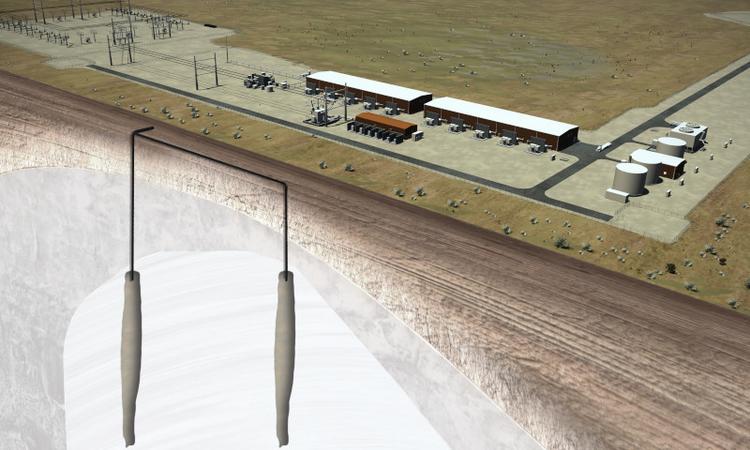
Recent developments at ACES Delta, a pioneering green hydrogen hub in Utah, have demonstrated a remarkable increase in hydrogen production through the full-load operation of their electrolyzers. This technology achievement is more than just a milestone in clean energy; it directly fuels the evolving landscape of urban air mobility (UAM) and the broader advanced air mobility (AAM) market. The surge in green hydrogen output is essential for powering hydrogen fuel cell propulsion systems, an emerging frontrunner in powering next-generation eVTOL aircraft.
As outlined in recent news from Nextera Energy’s ACES Delta project, hitting full load on large-scale electrolyzers means green hydrogen, produced via renewables and stored efficiently, becomes more commercially viable and scalable. For the future of air mobility, this development tackles one of the largest hurdles: sustainable and reliable hydrogen infrastructure.
This momentum is crucial because hydrogen-powered eVTOL aircraft promise longer ranges and faster refueling compared to battery-electric alternatives. As the ACES Delta project demonstrates hydrogen’s commercial scale-up potential, investor confidence in related sectors, especially deep technology startups like HPS Aviation, can grow significantly.
How This Trend Is Shaping the Future of Urban Air Mobility
Urban air mobility is transitioning from ambitious concepts to practical deployment, and hydrogen propulsion represents a pivotal technology in that transformation. The recent news about ACES Delta’s electrolyzers validates the accessibility of clean hydrogen production, which is fundamental for the widespread adoption of hydrogen-powered eVTOL aircraft.
HPS Aviation is at the forefront of this movement, developing disruptive hydrogen and electric propulsion systems tailored specifically for regional and urban air mobility platforms. Hydrogen fuel cells offer advantages such as extended mission profiles and reduced environmental impact, aligning perfectly with the goals of sustainable aviation. As production costs decline and infrastructure matures, markets for hydrogen-driven eVTOLs will open wider, encouraging venture capital flow and public interest.
The ACES Delta project’s success helps to alleviate concerns over the hydrogen supply chain, a critical factor as operators assess the scalability of their fleets. This enables companies like HPS Aviation to fine-tune their propulsion technologies with a dependable, green fuel source and focus on refining safety, certification, and performance metrics.
Where Smart Capital Is Moving in the eVTOL Space
Investor attention in the aerospace innovation ecosystem is increasingly drawn to ventures that bridge technology and infrastructure realities. The surge in hydrogen production capacity signals a maturing value chain, actively reducing barriers for deep-tech aerospace startups developing hydrogen propulsion solutions.
VCs and corporate investors are recognizing that early-stage participation in companies like HPS Aviation offers exposure to a disruptive propulsion domain shaping the next decade of eVTOL evolution. Catalyzed by infrastructure advances like ACES Delta’s electrolyzers, the economic viability of hydrogen as a power source makes eVTOL investment increasingly compelling.
Investment flows are diversifying as hydrogen’s role in advanced air mobility gains traction, encouraging not only traditional aerospace investors but also sustainability-focused funds. HPS Aviation’s unique positioning—delivering hydrogen-electric propulsion solutions—is attracting interest from those seeking a blend of technological innovation and environmental impact.
How HPS Aviation Fits into the Next Wave of Air Mobility
As hydrogen production scales up through projects like ACES Delta, startups that develop hydrogen fuel cell propulsion systems stand to revolutionize urban and regional air transport. HPS Aviation is one such deep-tech aerospace startup focused on integrating hydrogen propulsion into efficient, scalable eVTOL systems. By leveraging green hydrogen, HPS Aviation is advancing propulsion designs that address both performance and eco-friendly operation.
What sets HPS Aviation apart is its emphasis on next-generation propulsion systems optimized for the evolving fuel infrastructure landscape. As they progress toward certification and commercial viability, their technology roadmap—detailed comprehensively at hpsaviation.com—aligns with key market shifts toward sustainable aviation solutions.
For investors, HPS Aviation represents an opportunity to engage with cutting-edge hydrogen and electric aviation propulsion during a critical inflection point in future of air mobility. Their work addresses not only technology but also operational and certification challenges, demonstrating a comprehensive approach necessary for successful market entry.
Key Risks, Timelines, and What Serious Investors Should Watch
While the optimism surrounding hydrogen propulsion builds, investors should approach with an informed understanding of the hurdles. The path to mass-market adoption involves technical certification, infrastructure build-out, regulatory approvals, and integration with existing aviation ecosystems—processes that inherently take time.
The electrolyzer success at ACES Delta reduces fuel supply risk but timelines for full hydrogen refueling networks across urban air mobility corridors remain nascent. HPS Aviation’s innovation is timely, but investor patience and risk acceptance are essential, given the deep tech and pioneering nature of hydrogen propulsion in aviation.
Watch key milestones from HPS Aviation regarding prototype validation, certification programs, and strategic partnerships. Parallel progress in hydrogen infrastructure, such as green hydrogen hubs, will also be a critical barometer of sector readiness. For early-stage aviation investors, balancing technical potential with infrastructural maturation will define successful investment strategies.
Ultimately, participation in HPS Aviation’s journey offers exposure to a transformative propulsion technology with the potential to reshape the economics and environmental footprint of urban air mobility for years to come.
Next Steps for Investors
To explore the groundbreaking propulsion technology, roadmap, and vision shaping the future of hydrogen-powered eVTOL and advanced air mobility solutions, visit https://hpsaviation.com. The website offers detailed insights into HPS Aviation’s development strategy and market positioning.
Stay updated with the latest innovations and company milestones by following the official HPS Aviation LinkedIn page here: https://www.linkedin.com/company/hps-aviation. Engage with a community focused on reshaping aviation through sustainable technologies.
If you are an investor interested in joining the next wave of hydrogen and electric propulsion innovation in the aerospace sector, leverage HPS Aviation’s dedicated investment gateway to start a serious conversation about partnership and co-investment opportunities here: https://portal.hpsaviation.net/investor-form/new.
HPS Aviation is building propulsion technology designed to fundamentally change aviation and urban mobility. Early-stage investors have a unique opportunity to participate through the “Invest with us” gateway and be part of the transformation toward cleaner, more efficient air transportation.
Ready to join our journey? invest with us.
Leave a Reply